חדשות האתר

Israel and India Renew Free Trade Agreement Negotiations

Israel and India Renew Negotiations on Free Trade Agreement Israel and India Renew Negotiations on Free...
23 November 2025

Importing from China to Israel – Essential Guide

The Complete Guide to Importing from China to Israel – Costs, Risks & Practical Tips The Complete...
16 November 2025

Timeline – Global Logistics Trends 2024 - 2026

2026 is shaping up to be a turning point in global shipping: accelerated AI[1] adoption across the supply...
09 November 2025

How AI Transformed Global Shipping in 2025 — And What It Means for Importers in 2026

The year 2025 marked a major turning point in the global shipping industry. Artificial intelligence,...
02 November 2025

Global Trade Route Shifts Following the Red Sea Blockages

How Israeli Shipping Companies Adapted by Rerouting Through the Cape of Good Hope Introduction Over the...
12 October 2025

Customs Brokerage in Land Crossings – What You Need to Know About Imports via Jordan and Eilat Port

Introduction In global trade, most Israeli importers focus on sea or air freight. However, land-based...
07 September 2025

Common Mistakes in Personal and Commercial Imports – and How a Customs Broker Can Prevent Them

Introduction Importing goods, whether for personal use or large-scale commercial trade, involves complex...
07 September 2025

Fast Customs Clearance – How to Choose a Customs Broker Who Knows How to Shorten Processes

Introduction In today’s fast-paced world of import and export, time is not only money – it is also a...
07 September 2025

Green Shipping – Standards, Methods, and the New Logistics Opportunity

Introduction As environmental concerns increasingly shape government policy, business efficiency, and...
31 August 2025

Continuous Shipping in the New Middle East – Is Israel Becoming a Bridge Between Bahrain, the UAE and the West?

Introduction The Abraham Accords opened new economic routes between Israel and Arab states, particularly...
31 August 2025
מאמרים חדשים
Categories

שדרוג מאמרים:
עדכון, חידוש ושיפור תוכן למאמרים קיימים

Regional trade agreements

Regional trade agreements

Regional trade agreements are evolving – why does it matter?

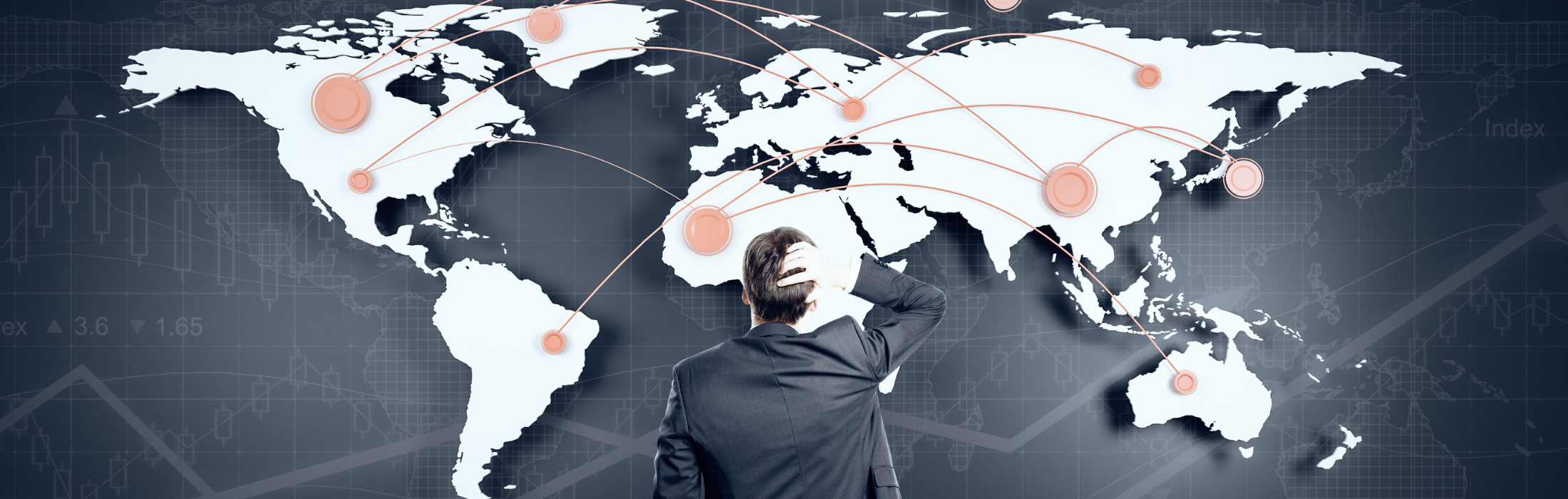
Regional trade agreements (RTAs) cover more than half of international trade today, operating alongside global multilateral agreements under the World Trade Organization (WTO). In recent years, many countries have actively sought to establish new – and often more modern and progressive – bilateral and regional trade agreements that aim to increase trade and boost economic growth. The current proliferation of RTAs reflects, in part, a demand for deeper integration than what has been achieved by older multilateral agreements.

To the extent that RTAs go beyond commitments made in the WTO and remain open to additional participation by countries committed to meeting their standards, they can complement the multilateral trading system. Over the years, the OECD has examined the relationship between regional trade agreements and the multilateral trading system, including related to specific policy areas covered in RTA provisions, such as the treatment of agricultural issues, technical regulations, standards and conformity assessment procedures, investment provisions affecting the international transfer of technology, developments in the inclusion of environmental considerations and approaches to market openness in the digital age – to name a few.


Today’s regional trade agreements can pave the way for deeper multilateral integration

Policymakers are mindful that regional trade agreements must be consistent with multilateral rules and that coherence across regional arrangements, as well as between regional and multilateral systems, is necessary. Some countries even negotiate RTAs with an explicit intent to set precedent for future multilateral rule-making, while others view deeper measures in regional partnerships as a way to complement the multilateral system. In either case, there is a case to be made for “multilateral-friendly” practices that can help promote convergence.

Today, RTAs are developing in ways that go beyond existing multilateral rules. The areas they cover –investment, movement of capital and persons, competition and state-owned enterprises, e-commerce, anti-corruption, and intellectual property rights, for example – are essential policy issues that need to be addressed in today’s more interconnected markets. Mega-regional initiatives are on an entirely new scale, providing preferential access to member countries’ markets by seeking to establish 21st century trade agreements with deep and comprehensive market integration.

Policy implications

Many RTAs contain elements that deepen co-operation across regulatory issues, and new market opportunities are created even as participants address structural impediments in their own economy. Next-generation RTAs strive to go even further. Countries wishing to participate in, and benefit even more from, global markets will need to increasingly integrate trade and investment measures in their wider domestic structural reform agendas. In fact, countries may be able to use current and prospective negotiations on “behind the border” regulatory provisions as drivers for desired domestic reforms. The larger structural issue of whether, when, and how to multilateralise provisions in RTAs is primarily a political question for governments to address.

More related articles...

Blog
עורך ראשי

Regional trade agreements

Regional trade agreements are evolving – why does it matter? Regional trade agreements (RTAs) cover more than half of international trade today, operating alongside global

read more »
Blog
עורך ראשי

Making trade work for all

In the wake of uncertainty and tensions in the trading system today, alongside heightened public concerns about globalisation, open trade is under threat. 

read more »
Blog
עורך ראשי

Why open markets matter

People trade and governments open markets because it is in their interest to do so. Trade and market openness has historically gone hand-in-hand with better

read more »

אולי יעניין אותך גם...

https://www.unitedxp.co.il/wp-content/uploads/2025/01/יבוא-1.png
A Whole World of Trade, Logistics, and Supply Chain

Introduction In the era of globalization, the world has become a global village where trade between countries, advanced logistics, and international supply chains play a central role in the global economy....

https://www.unitedxp.co.il/wp-content/uploads/2024/12/2-1.png
The Complete Guide for Beginner Importers: How to Start the Customs Process

IntroductionImporting goods is an integral part of global trade and provides businesses with extensive opportunities. However, the customs process can be complex and challenging, especially for new importers....

https://www.unitedxp.co.il/wp-content/uploads/2024/12/עדכונים.png
Regulatory Updates in Foreign Trade 2024: Advantages, Disadvantages, and Impacts

Introduction: Regulation as a Tool to Promote Foreign Trade Foreign trade is a cornerstone of any nation’s economy, directly influenced by regulatory policies. In 2024, Israel implemented significant...

https://www.unitedxp.co.il/wp-content/uploads/2024/12/סחר-חופשי.png
Trade Regulation: A Guide for Businesses

Introduction Regulation plays a central role in managing and planning both domestic and international trade, ensuring compliance with laws, public safety, and the protection of economic and political interests....

https://www.unitedxp.co.il/wp-content/uploads/2024/12/הסכמי-סחר.png
Export and Import Restric

Introduction Exporting and importing are integral components of economic activity for businesses and nations alike. These processes enable companies to expand their markets, leverage international resources,...

https://www.unitedxp.co.il/wp-content/uploads/2024/12/דיני-סחר.png
The Basics of Trade Law: What You Need to Know

Introduction Trade law forms the legal and regulatory foundation for commercial transactions, whether domestic or international. Every trade activity—importing, exporting, payments, or business partnerships—is...

https://www.unitedxp.co.il/wp-content/uploads/2024/11/שינוע-מטענים-ביבשה.png
Risks and Crisis Management in Freight Transportation

Freight transportation is an essential component of the global supply chain. This field involves numerous risks, including delays, accidents, cargo damage, and global threats such as pandemics and natural...

https://www.unitedxp.co.il/wp-content/uploads/2024/11/שינוע-מטענים-1.png
Planning an Efficient Supply Chain: Optimizing Freight Transport

Introduction In today’s globalized world, supply chain planning has become a critical component of business and organizational success. Freight transport is a crucial part of this chain, directly...

https://www.unitedxp.co.il/wp-content/uploads/2024/11/מקרי-בוחן-איך-עמיל-מכס-פתר-בעיות-סבוכות-עבור-לקוחותיו.png
Case Studies: How Customs Brokers Solved Complex Problems for Their Clients

Introduction: The Crucial Role of Customs Brokers in International TradeInternational trade is characterized by significant complexity, encompassing diverse laws, regulations, and bureaucratic requirements...

https://www.unitedxp.co.il/wp-content/uploads/2024/11/סקירה-ספנות.png
Global Shipping Challenges Amid Geopolitical Crises

The Cumulative Challenges in Global Shipping: The Ukraine-Russia War, Israel’s Conflict, and the Houthi Blockade at Bab-el-Mandeb Introduction: The Critical Role of Global Shipping Amid TurmoilGlobal shipping...

1 3 4 5 6 7 13