



Regional trade agreements

New articles
archives
April 2026
S M T W T F S
 1234
567891011
12131415161718
19202122232425
2627282930  

Regional trade agreements

Regional trade agreements

Regional trade agreements are evolving – why does it matter?

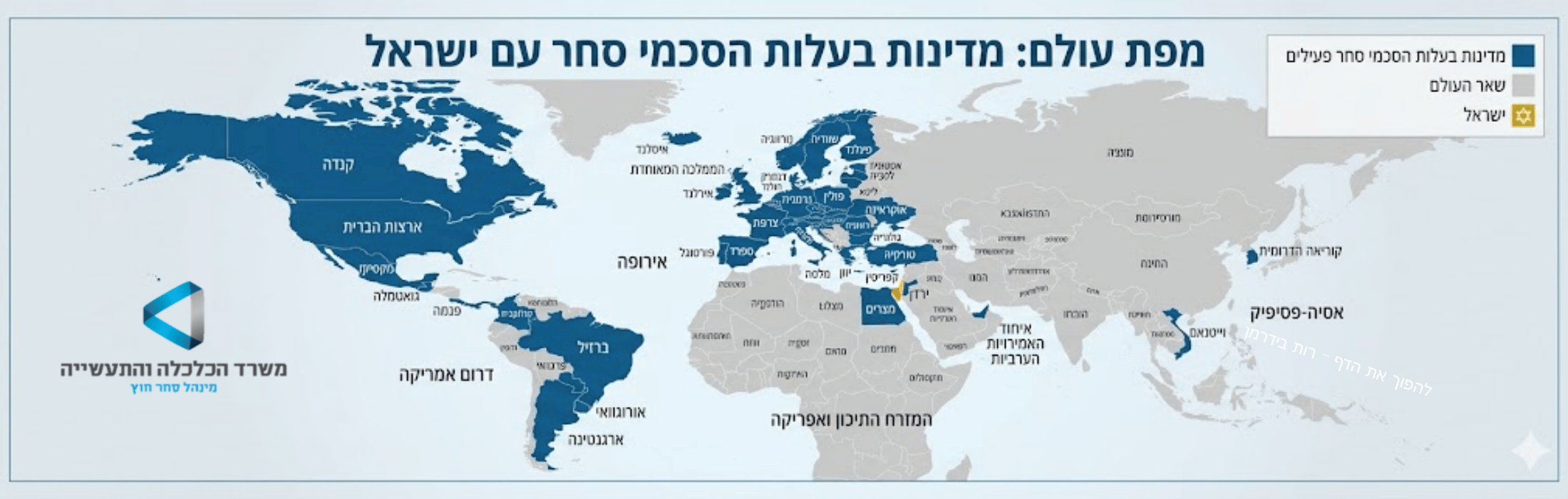
Regional trade agreements (RTAs) cover more than half of international trade today, operating alongside global multilateral agreements under the World Trade Organization (WTO). In recent years, many countries have actively sought to establish new – and often more modern and progressive – bilateral and regional trade agreements that aim to increase trade and boost economic growth. The current proliferation of RTAs reflects, in part, a demand for deeper integration than what has been achieved by older multilateral agreements.

To the extent that RTAs go beyond commitments made in the WTO and remain open to additional participation by countries committed to meeting their standards, they can complement the multilateral trading system. Over the years, the OECD has examined the relationship between regional trade agreements and the multilateral trading system, including related to specific policy areas covered in RTA provisions, such as the treatment of agricultural issues, technical regulations, standards and conformity assessment procedures, investment provisions affecting the international transfer of technology, developments in the inclusion of environmental considerations and approaches to market openness in the digital age – to name a few.


Today’s regional trade agreements can pave the way for deeper multilateral integration

Policymakers are mindful that regional trade agreements must be consistent with multilateral rules and that coherence across regional arrangements, as well as between regional and multilateral systems, is necessary. Some countries even negotiate RTAs with an explicit intent to set precedent for future multilateral rule-making, while others view deeper measures in regional partnerships as a way to complement the multilateral system. In either case, there is a case to be made for “multilateral-friendly” practices that can help promote convergence.

Today, RTAs are developing in ways that go beyond existing multilateral rules. The areas they cover –investment, movement of capital and persons, competition and state-owned enterprises, e-commerce, anti-corruption, and intellectual property rights, for example – are essential policy issues that need to be addressed in today’s more interconnected markets. Mega-regional initiatives are on an entirely new scale, providing preferential access to member countries’ markets by seeking to establish 21st century trade agreements with deep and comprehensive market integration.

Policy implications

Many RTAs contain elements that deepen co-operation across regulatory issues, and new market opportunities are created even as participants address structural impediments in their own economy. Next-generation RTAs strive to go even further. Countries wishing to participate in, and benefit even more from, global markets will need to increasingly integrate trade and investment measures in their wider domestic structural reform agendas. In fact, countries may be able to use current and prospective negotiations on “behind the border” regulatory provisions as drivers for desired domestic reforms. The larger structural issue of whether, when, and how to multilateralise provisions in RTAs is primarily a political question for governments to address.

More related articles...

More on the subject...

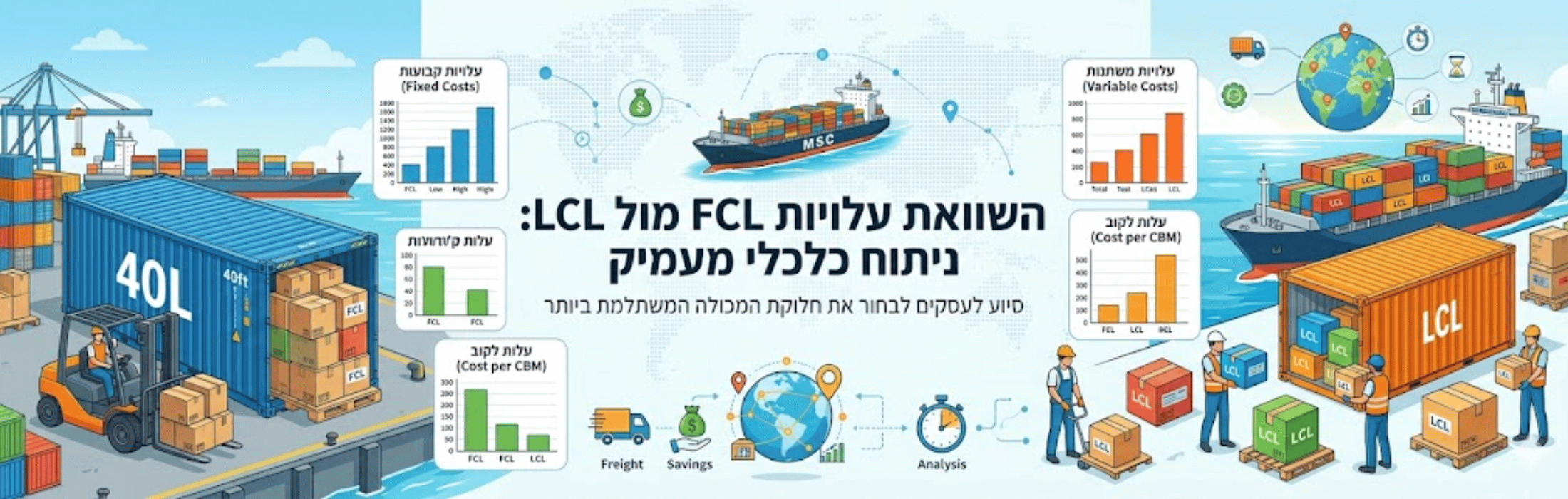
https://www.unitedxp.co.il/wp-content/uploads/2026/04/השוואת-עלויות-FCL-מול-LCL-ניתוח-כלכלי-מעמיק-שיסייע-לעסקים-לבחור-את-חלוקת-המכולה-המשתלמת-ביותר.png
FCL vs LCL Costs: Economic Analysis for Profitable Container Split

Introduction Ocean freight is the backbone of global trade, with over 80% of world trade volume carried by sea. For importers, exporters, and small to medium‑sized businesses, the decision between FCL...

https://www.unitedxp.co.il/wp-content/uploads/2026/03/איראן-מאותתת-על-סגירה-לצמיתות-של-מצר-הורמו.png
Iran and the Strait of Hormuz: Between Geopolitical Threat and Global Economic Reality

As of late March 2026, the Strait of Hormuz – the world’s most critical maritime chokepoint – has become a central arena in the ongoing war between Iran, the United States, and Israel. Iran has not declared...

https://www.unitedxp.co.il/wp-content/uploads/2026/03/המדריך-המלא-לניהול-מלאי-יעיל-ולשרשרת-אספקה-מתקדמת.jpg
Professional Warehousing & Packaging for Efficient Supply Chains

Professional Warehousing and Packaging Services: The Complete Guide to Efficient Inventory Management and Advanced Supply Chain Introduction: The Strategic Role of Warehousing and Packaging in the Modern...

https://www.unitedxp.co.il/wp-content/uploads/2026/03/עמילות-מכס.jpg
Customs Brokerage 2026: Regulatory, Technological, and Strategic Acceleration – The Complete Guide to Recent Changes

ustoms Brokerage 2026: Regulatory, Technological, and Strategic Acceleration – The Complete Guide to Recent Changes Introduction: The New Era of Customs Brokerage The field of customs brokerage, once perceived...

https://www.unitedxp.co.il/wp-content/uploads/2026/03/מבצע-שאגת-הארי-עדכונים-1.png
Operation “Roaring Lion” – Updates

The Resilience of the Maritime Economy Under Real-World Stress Operation “Roaring Lion,” now entering its third day, constitutes a significant stress test for the Israeli economy in general and for the...

https://www.unitedxp.co.il/wp-content/uploads/2026/01/שילוח-אווירי-מול-שילוח-ימי-–-איך-בוחרים-נכון-ב-2026.png
Air Freight vs. Sea Freight – How to Choose the Right Option in 2026?

Introduction In 2026, choosing between air freight and sea freight is no longer a simple pricing decision. It is a strategic choice that directly affects cash flow, customer commitments, regulatory...

https://www.unitedxp.co.il/wp-content/uploads/2025/12/איך-עמיל-מכס-טוב-יכול-לחסוך-לעסק-כסף-וזמן.png
How a Skilled Customs Broker Can Save Your Business Time and Money

Introduction Import and export activities are a major growth engine for many businesses, but they are also among the most complex and risk-sensitive operational areas. Minor documentation errors, incorrect...

https://www.unitedxp.co.il/wp-content/uploads/2025/12/שאלות-נפוצות-על-שילוח-בינלאומי-ועמילות-מכס-–-תשובות-מקצועיות-מהשטח.png
Frequently Asked Questions About International Shipping and Customs Brokerage

Introduction International shipping and customs brokerage are often perceived as technical and complex fields. In practice, they directly affect costs, delivery timelines, cash flow, and business planning....

https://www.unitedxp.co.il/wp-content/uploads/2025/12/10-שאלות-שכדאי-לשאול-את-חברת-השילוח-לפני-שבוחרים.png
10 Questions You Should Ask a Shipping Company Before Choosing One

Introduction Choosing an international shipping company is a critical business decision, even though it is sometimes treated as a purely operational matter. In practice, a shipping company has a direct...

https://www.unitedxp.co.il/wp-content/uploads/2025/11/0e6be1932431dcde3997db1f4322d9c4.webp
Israel and India Renew Free Trade Agreement Negotiations

Israel and India Renew Negotiations on Free Trade Agreement Israel and India Renew Negotiations on Free Trade Agreement During the visit of India’s Minister of Commerce and Industry, Piyush...

1 2 3 14