




תקציר
An RTA refers to a broader and often deeper trade agreement between a group of countries within a geographic region. While FTAs and RTAs have direct effects on importers and exporters by changing trade terms, TPA influences trade policy indirectly by shaping how trade deals are made, especially in the U.S. FTA, RTA, and TPA each represent a different mechanism of international trade facilitation.
Introduction
In today’s globalized economy, international trade agreements play a central role in shaping how goods and services move across borders. The acronyms FTA, TPA, and RTA represent different types of trade arrangements, each with its own legal, economic, and strategic implications. Understanding these terms is essential for importers, exporters, policy makers, and anyone involved in global commerce. In this article, we’ll explain the differences between the three, examine how they affect trade, and provide practical insights into their applications.
What is an FTA – Free Trade Agreement?
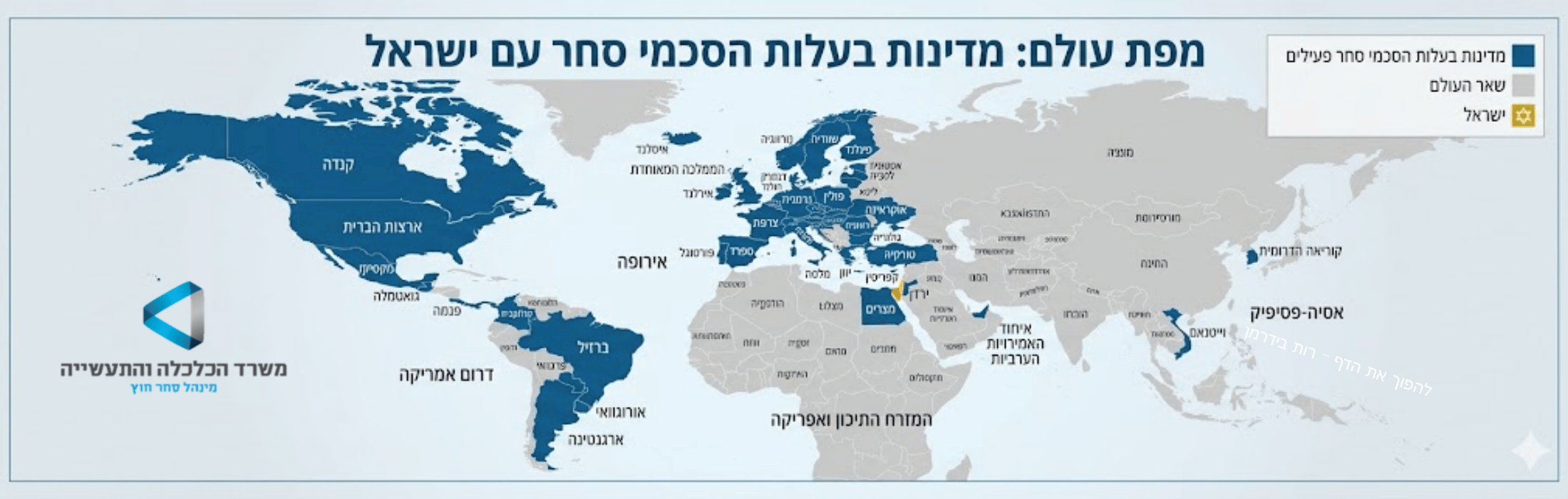
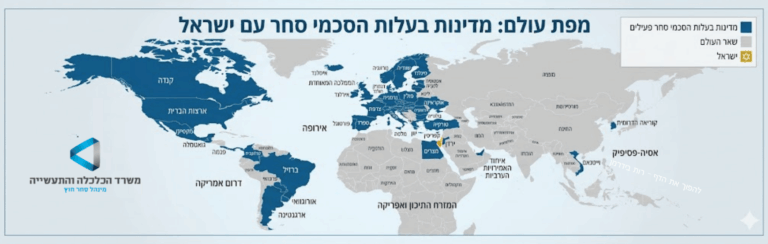
An FTA is an agreement between two or more countries designed to reduce or eliminate tariffs, quotas, and other trade barriers on goods and services. FTAs typically aim to promote trade flows by simplifying customs procedures, enhancing market access, and reducing regulatory burdens. FTAs are usually bilateral or multilateral but do not require unified external tariffs or joint policies toward third countries. Examples include the Israel–EU Association Agreement and the USMCA (formerly NAFTA). FTAs generally do not harmonize labor, environmental, or tax policies among members.
What is an RTA – Regional Trade Agreement?
An RTA refers to a broader and often deeper trade agreement between a group of countries within a geographic region. RTAs can include free trade areas, customs unions, and even common markets. In addition to eliminating tariffs, they often involve coordination of economic policies, regulatory standards, and administrative practices. The EU, MERCOSUR, and ASEAN are well-known RTAs. RTAs offer advantages such as expanded market access and simplified trade rules but also require more complex compliance and documentation processes for exporters and importers.
What is TPA – Trade Promotion Authority?
TPA is a domestic legislative mechanism, particularly in the United States, that grants the president the authority to negotiate international trade agreements which Congress can approve or reject but not amend. TPA strengthens the president’s negotiating credibility by assuring trade partners that the final agreement will not be altered during the ratification process. Although TPA does not regulate trade itself, it has a significant influence on how the U.S. engages in trade negotiations, such as those that led to the TPP or USMCA.
Comparison of FTA, RTA, and TPA
FTAs are focused on bilateral or multilateral tariff elimination and market liberalization. RTAs are regional frameworks that often integrate broader aspects of economic policy. TPA, by contrast, is a procedural authority for trade negotiations granted by the U.S. Congress to the president. While FTAs and RTAs have direct effects on importers and exporters by changing trade terms, TPA influences trade policy indirectly by shaping how trade deals are made, especially in the U.S.
How Do These Agreements Affect Israeli Businesses?
Israeli exporters benefit from FTAs through reduced tariffs when selling to countries that have agreements with Israel. Proper certificates of origin must be issued to qualify for these exemptions. RTAs offer the chance to access wider regional markets, but often require exporters to align with standardized documentation and regulatory norms. TPA does not apply directly to Israel but impacts global trade dynamics through U.S. policy, which can influence global demand, pricing, and trade flows.
Summary
FTA, RTA, and TPA each represent a different mechanism of international trade facilitation. FTA removes barriers between specific countries, RTA deepens integration within regions, and TPA empowers governments (especially the U.S.) to negotiate efficiently. Understanding these tools helps businesses maximize trade opportunities, navigate regulatory frameworks, and plan strategically for the global market.