










The Importer’s Practical Guide
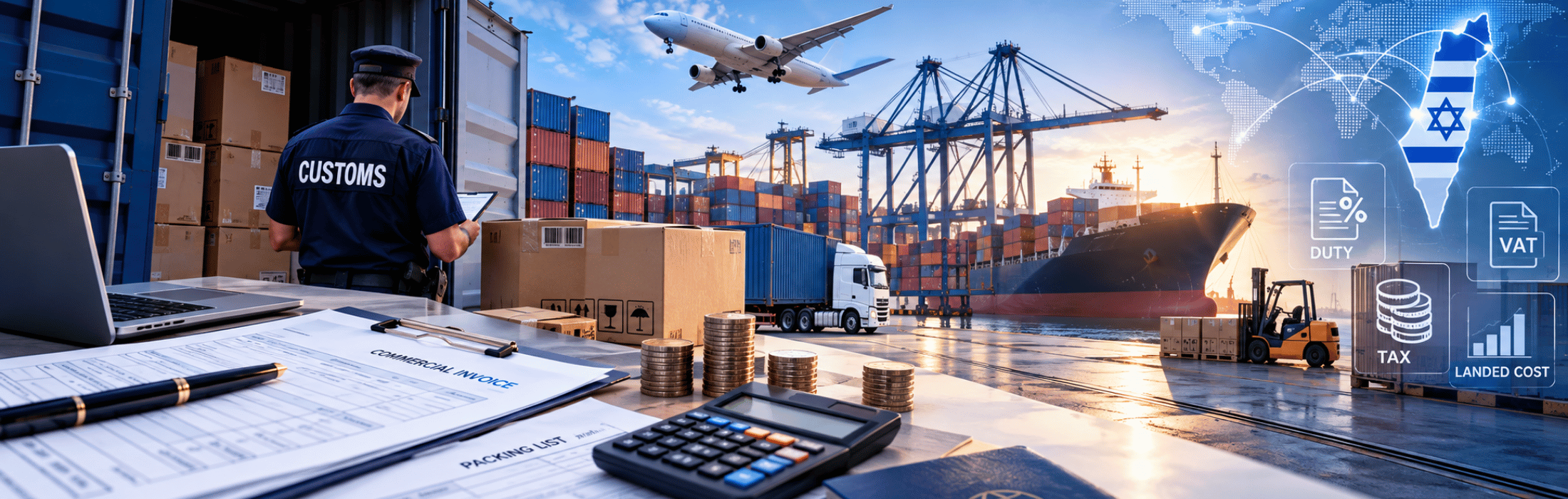
The process of importing to Israel includes a series of measures, which you, as an importer, should be familiar with before executing an import transaction.

Customs Release Process- All The Essential Documentation For Importers
Any imported commercial product arriving in Israel is required to complete a customs release process. We recommend that you consult a suitable professional in order

An EU approach to enhance economic security
The European Commission and the High Representative today published a Joint Communication on a European Economic Security Strategy. This Joint Communication focuses on minimising risks

Wartime macroeconomics
A fresh supply shock stemming from the war in Ukraine will deal a blow to the economic recovery from COVID-19. The energy and food sectors
Services trade liberalised in 2021
OECD Services Trade Restrictiveness Index (STRI): Policy trends up to 2022 shows that liberalisation outpaced new restrictions during the past year, as the erection of new barriers

Economic and Social Impacts and Policy Implications of the War in Ukraine
The war Russia is waging in Ukraine is a humanitarian disaster. Beyond this, the economic damage is already being felt worldwide and risks becoming increasingly