




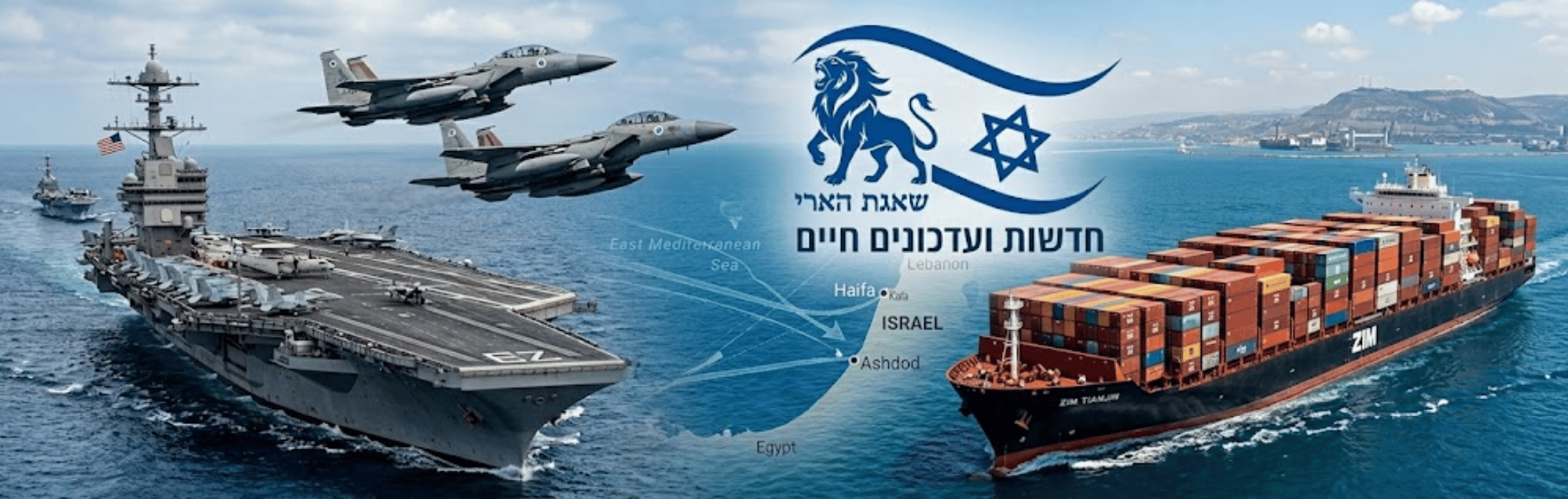
The Resilience of the Maritime Economy Under Real-World Stress
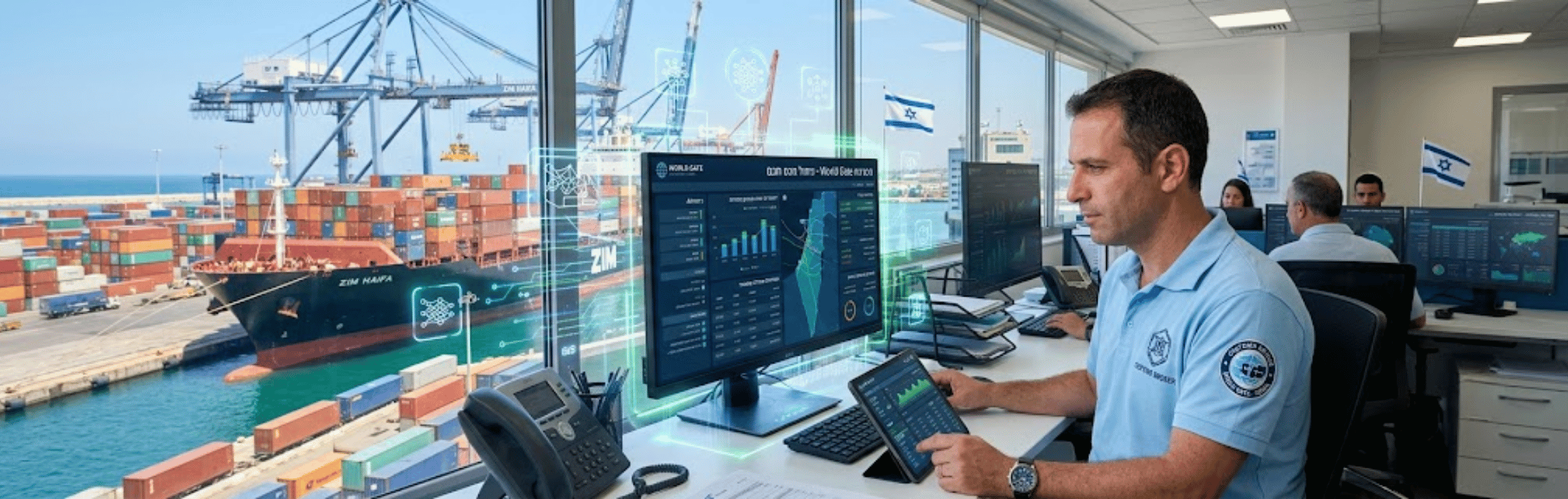
Operation “Roaring Lion,” now entering its third day, constitutes a significant stress test for the Israeli economy in general and for the maritime supply chain in particular. While the combat front is unfolding in other arenas, the civilian-economic front is being managed primarily at the country’s two main ports—Haifa and Ashdod.
Industry updates paint a complex yet optimistic picture: alongside national resource mobilization, a clear trend of structured emergency routine is evident, while full operational continuity is being maintained. Below is an in-depth analysis of the five key developments and their implications for Israeli trade.
In-Depth Analysis of Industry Updates
1. MSC: Committed to Supply Chain Continuity in Israel — More Than a Statement, a Strategic Infrastructure
Global shipping giant MSC, which operates one of the world’s largest vessel fleets, did not settle for a technical notice about continued operations. MSC Israel CEO Leah Bogetz-Ginosar emphasized the company’s commitment to “supply chain continuity as we have maintained throughout all challenging periods.”
The deeper meaning:
Proven experience: The reference to “all challenging periods” is deliberate. MSC has maintained continuous operations in Israel since the 1990s and has navigated complex security events in recent years, including prior military operations, the COVID-19 pandemic, and global disruptions. This experience has built robust emergency operating mechanisms.
Customer stability: For Israeli importers and exporters, MSC’s announcement functions almost like insurance. It enables continued long-term business planning, knowing that the primary maritime gateway to Israel remains open and reliable. This is especially critical for large contracts and industrial raw materials.
Message to the world: MSC is signaling to its business partners, insurers, and global traders that Israel remains a safe and dependable destination for maritime trade—even during times of crisis.
2. Israel Ports and Shipping Authority (RSPA) to the Global Shipping Community: Israeli Ports Are Safe and Operating at Full Capacity — Maritime Diplomacy in Wartime
The statement issued by the Israel Ports and Shipping Authority (RSPA) represents a coordinated regulatory move directed at the international maritime community. This is a form of “maritime diplomacy” intended to prevent shipping line withdrawals or sharp increases in insurance premiums.
The deeper meaning:
Preventing panic: One of the greatest economic risks during wartime is “logistics panic”—a situation in which international companies halt shipments based on perceived rather than actual risk. As the professional authority, RSPA is working to neutralize such concerns at their source.
Full capacity as an indicator: Emphasizing that “ports are operating at full capacity” is critical. It indicates there is no vessel congestion caused by disruptions and that loading and unloading rates remain normal. This is an objective signal that the ports are not becoming a bottleneck under pressure.
Government backing: The announcement implies full support from security and government bodies for port operations and signals that the ports are designated protected and essential national infrastructure.
3. Hapag-Lloyd Also Clarifies: Continuing Regular Calls at Haifa and Ashdod — Evidence of Emerging International Consensus
The decision by Hapag-Lloyd, one of the world’s five largest shipping lines, to reaffirm continued service strengthens the message that this is an industry-wide consensus rather than solely an Israeli effort.
The deeper meaning:
Positive herd effect: In the shipping industry, decisions by leading players such as MSC and Hapag-Lloyd create a “herd effect.” Smaller carriers tend to follow the major lines. Their joint clarification creates a barrier against hasty route changes by other companies.
Service competitiveness: The fact that two competing giants continue serving Israel under the same framework ensures competition is preserved and that the range of services to and from Israel remains diverse, helping prevent sharp freight rate increases.
Operational reality check: The clarification indicates that on the ground, coordination with port authorities (berthing, unloading, security inspections) is proceeding smoothly and predictably, enabling carriers to maintain schedules.
4. President of the Shipping Chamber: Israeli Ports Operating Normally; No Vessel Has Left — Refuting the Most Serious Concern
The statement by the President of the Israel Chamber of Shipping that “no vessel has left the country” directly addresses the most severe concern—namely, a potential maritime exodus or abandonment of Israeli ports.
The deeper meaning:
Normalization of emergency conditions: The statement indicates that for ship crews currently berthed in Haifa and Ashdod, the situation is perceived as manageable routine. There is no immediate security concern prompting captains to depart prematurely.
Schedule integrity: The fact that vessels are not leaving early means they are completing full discharge and loading operations. This prevents supply chain disruptions that could occur if ships departed with unhandled cargo.
Message to inland logistics: Truck drivers and inland logistics operators also receive a clear signal that ports are functioning and cargo is flowing. This is essential for maintaining workflow beyond the port gates.
5. ZIM Mobilizes: Allocating Vessels and Infrastructure for National Needs — From Commercial Partner to Strategic Asset
The announcement by ZIM, Israel’s national shipping company, goes beyond the commercial consensus and enters the realm of national emergency support. This highlights the distinct advantage of an Israeli carrier during wartime.
The deeper meaning:
Operational flexibility: Working closely with the defense establishment, ZIM can rapidly adjust its fleet—whether by redirecting commercial vessels to transport defense equipment or allocating specialized roll-on/roll-off vessels for military vehicles.
Logistical backbone: The move demonstrates that ZIM functions as a maritime logistics arm of the state. Its ability to bridge operational military needs with commercial capabilities is a strategic asset.
Market signaling: The company is signaling to investors and partners that despite national mobilization, commercial activity will continue and that it is prepared to manage both tracks simultaneously. This is a delicate but essential balance.
Conclusion and Forward-Looking Implications
Operation “Roaring Lion” provides real-time evidence of the resilience of Israel’s shipping and port industry. The five key announcements indicate well-established emergency mechanisms, sustained international confidence, and a clear ability to separate the combat arena from economic routine.
However, the true test lies ahead. The following developments require close monitoring:
Insurance costs: Will marine insurance premiums for vessels calling Israel rise?
Workforce continuity: How will reserve duty call-ups affect manpower at ports and logistics companies?
Freight rates: Will shipping lines begin reflecting a temporary “risk premium” in freight pricing?
For now, the picture is clear: Israeli ports remain open, active, and continue to serve as a vital transportation artery preserving economic continuity even during wartime.
| Source: The information in this article is based on updates published at www.port2port.co.il |
Questions & Answers
1. Are Israeli ports continuing to operate normally during Operation “Roaring Lion”?
Yes. According to industry updates, the ports of Haifa and Ashdod are operating at full capacity under a controlled emergency routine while maintaining loading and unloading continuity.
2. What is the significance of MSC’s supply chain continuity statement?
MSC’s announcement sends a strong stability signal to the market, allowing Israeli importers and exporters to continue long-term planning without immediate disruption concerns.
3. Why is the RSPA announcement considered maritime diplomacy?
Because it directly addresses the international shipping community in order to prevent logistics panic and potential increases in marine insurance premiums.
4. Why is Hapag-Lloyd’s continued service important?
Its decision strengthens industry consensus and creates a positive herd effect that discourages other carriers from altering routes to Israel.
5. Is there evidence of vessels abandoning Israeli ports?
No. According to the Israel Chamber of Shipping, no vessel has departed prematurely, indicating operational stability.
6. How does ZIM’s mobilization affect the Israeli economy?
ZIM provides strategic maritime flexibility and serves as a national logistics backbone during emergencies.
7. Are marine insurance costs expected to rise?
This remains a key variable to monitor. No abnormal spike has been reported yet, but premiums may change depending on security developments.
8. Is Israel’s supply chain currently at risk of disruption?
At present, the maritime supply chain is functioning continuously, though stakeholders should maintain active monitoring.
9. How might reserve call-ups affect port operations?
While reserve mobilization could create localized manpower pressure, current backup mechanisms appear to be maintaining operational continuity.
10. What is the overall picture of Israel’s maritime economy right now?
The system is demonstrating strong operational resilience and sustained international confidence, supporting continued maritime trade flow even under emergency conditions.