Why open markets matter

New articles
archives
April 2026
S M T W T F S
 1234
567891011
12131415161718
19202122232425
2627282930  

Why open markets matter

Why open markets matter

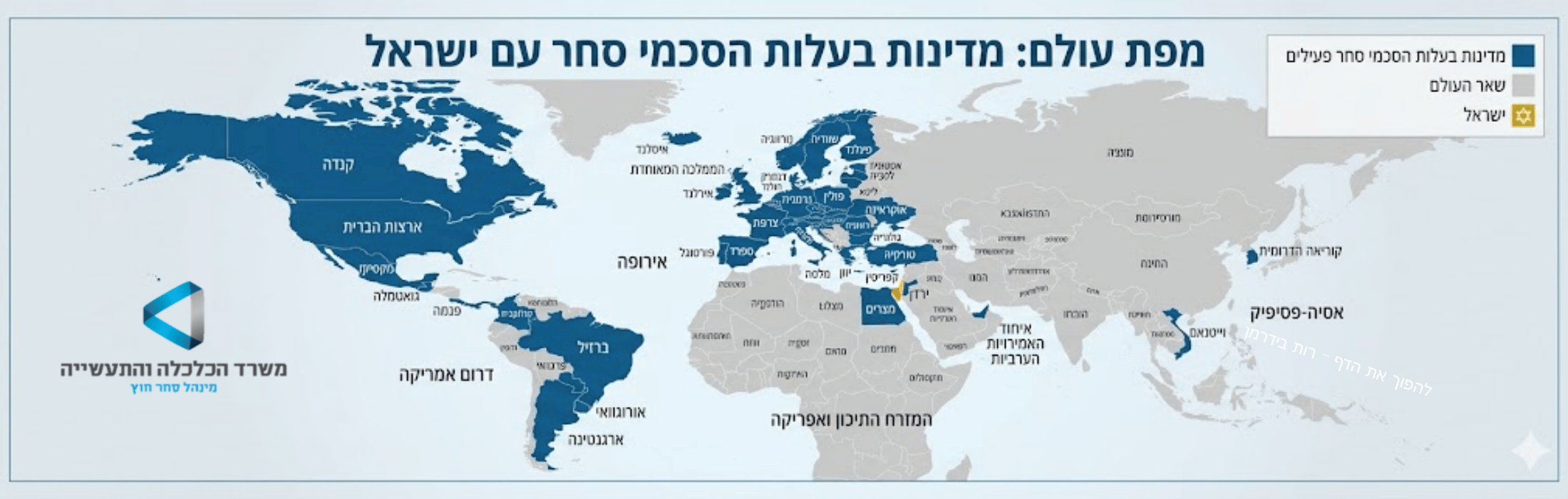
People trade and governments open markets because it is in their interest to do so. Trade and market openness has historically gone hand-in-hand with better economic performance in countries at all levels of development, creating new opportunities for workers, consumers and firms around the globe and helping to lift millions out of poverty. Relatively open economies grow faster than relatively closed ones, and salaries and working conditions are generally better in companies that trade than in those that do not. More prosperity and opportunity around the world also helps promote greater stability and security for everyone.

So does trade really benefit ordinary people?

Trade has contributed to lifting hundreds of millions of people out of poverty: the share of the world’s population living on less than PPP USD 1.90 per day fell from around 35% in 1990 to less than 10% in 2015. Evidence on the impact of trade on poverty in developing countries over 1993-2008 shows that the change in the real income of the bottom 20% of the population is strongly correlated with the change in trade openness over the same period. Developing and emerging economies are playing a more important role today in trade than ever before, contributing to declining inequality among countries (though not always within countries).

Trade has delivered unprecedented access to goods and services, with a revolution in the availability of goods for low income households. Take the cost of purchasing a television set, for example: between 1980 and 2014, the price of a roughly comparable TV set fell by 73%, in part as the result of ambitious trade liberalisation efforts – and the smart television sets we buy today are vastly better than those available in the 1980s. Lower prices are particularly beneficial for poor households, which spend relatively more on heavily-traded products (for example, staples such as food and garments).

Not only does trade lower prices, it also provides jobs for millions of people around the world. In a large country like the United States, around 10% of the workforce is involved in producing goods and services that are exported and consumed abroad, which amounts to around 14 million American jobs. The share goes up to 20% for France, almost 30% for Germany, and 47% for a small open economy like Ireland.

Across all countries, the share of jobs that rely on trade is significantly higher when taking into account “indirect” exports (when a person or company sells a good or service to another actor in the domestic market that uses it as an input in its exports). In some countries like China these can out-number jobs in the exporting industries themselves. These indirect export channels are especially important for smaller firms.

Trade also plays a role in raising incomes and improving overall working conditions. Exporters in the United States, for example, on average pay wages that are 6% higher than non-exporters. And whether the measure is injuries on the job, child labour, informality, or effects on female labour, open economies significantly out-perform closed ones, and labour rights are generally better respected.

More related articles...

More on the subject...

https://www.unitedxp.co.il/wp-content/uploads/2026/04/השוואת-עלויות-FCL-מול-LCL-ניתוח-כלכלי-מעמיק-שיסייע-לעסקים-לבחור-את-חלוקת-המכולה-המשתלמת-ביותר.png
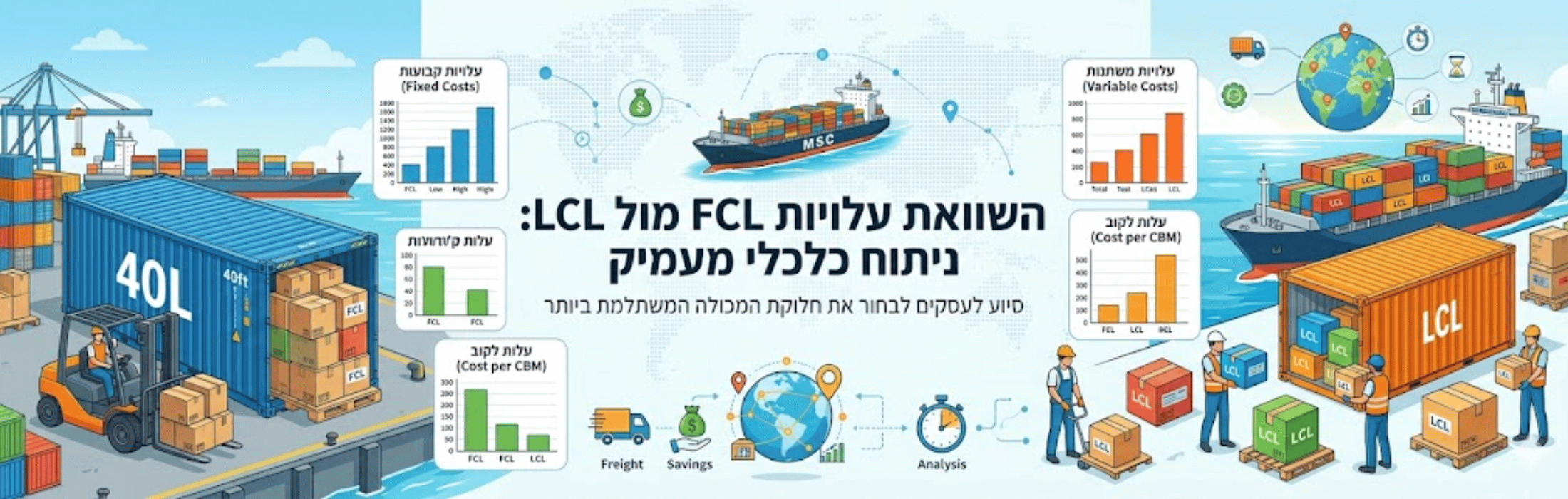
FCL vs LCL Costs: Economic Analysis for Profitable Container Split

Introduction Ocean freight is the backbone of global trade, with over 80% of world trade volume carried by sea. For importers, exporters, and small to medium‑sized businesses, the decision between FCL...

https://www.unitedxp.co.il/wp-content/uploads/2026/03/איראן-מאותתת-על-סגירה-לצמיתות-של-מצר-הורמו.png
Iran and the Strait of Hormuz: Between Geopolitical Threat and Global Economic Reality

As of late March 2026, the Strait of Hormuz – the world’s most critical maritime chokepoint – has become a central arena in the ongoing war between Iran, the United States, and Israel. Iran has not declared...

https://www.unitedxp.co.il/wp-content/uploads/2026/03/המדריך-המלא-לניהול-מלאי-יעיל-ולשרשרת-אספקה-מתקדמת.jpg
Professional Warehousing & Packaging for Efficient Supply Chains

Professional Warehousing and Packaging Services: The Complete Guide to Efficient Inventory Management and Advanced Supply Chain Introduction: The Strategic Role of Warehousing and Packaging in the Modern...

https://www.unitedxp.co.il/wp-content/uploads/2026/03/עמילות-מכס.jpg
Customs Brokerage 2026: Regulatory, Technological, and Strategic Acceleration – The Complete Guide to Recent Changes

ustoms Brokerage 2026: Regulatory, Technological, and Strategic Acceleration – The Complete Guide to Recent Changes Introduction: The New Era of Customs Brokerage The field of customs brokerage, once perceived...

https://www.unitedxp.co.il/wp-content/uploads/2026/03/מבצע-שאגת-הארי-עדכונים-1.png
Operation “Roaring Lion” – Updates

The Resilience of the Maritime Economy Under Real-World Stress Operation “Roaring Lion,” now entering its third day, constitutes a significant stress test for the Israeli economy in general and for the...

https://www.unitedxp.co.il/wp-content/uploads/2026/01/שילוח-אווירי-מול-שילוח-ימי-–-איך-בוחרים-נכון-ב-2026.png
Air Freight vs. Sea Freight – How to Choose the Right Option in 2026?

Introduction In 2026, choosing between air freight and sea freight is no longer a simple pricing decision. It is a strategic choice that directly affects cash flow, customer commitments, regulatory...

https://www.unitedxp.co.il/wp-content/uploads/2025/12/איך-עמיל-מכס-טוב-יכול-לחסוך-לעסק-כסף-וזמן.png
How a Skilled Customs Broker Can Save Your Business Time and Money

Introduction Import and export activities are a major growth engine for many businesses, but they are also among the most complex and risk-sensitive operational areas. Minor documentation errors, incorrect...

https://www.unitedxp.co.il/wp-content/uploads/2025/12/שאלות-נפוצות-על-שילוח-בינלאומי-ועמילות-מכס-–-תשובות-מקצועיות-מהשטח.png
Frequently Asked Questions About International Shipping and Customs Brokerage

Introduction International shipping and customs brokerage are often perceived as technical and complex fields. In practice, they directly affect costs, delivery timelines, cash flow, and business planning....

https://www.unitedxp.co.il/wp-content/uploads/2025/12/10-שאלות-שכדאי-לשאול-את-חברת-השילוח-לפני-שבוחרים.png
10 Questions You Should Ask a Shipping Company Before Choosing One

Introduction Choosing an international shipping company is a critical business decision, even though it is sometimes treated as a purely operational matter. In practice, a shipping company has a direct...

https://www.unitedxp.co.il/wp-content/uploads/2025/11/0e6be1932431dcde3997db1f4322d9c4.webp
Israel and India Renew Free Trade Agreement Negotiations

Israel and India Renew Negotiations on Free Trade Agreement Israel and India Renew Negotiations on Free Trade Agreement During the visit of India’s Minister of Commerce and Industry, Piyush...

1 2 3 14