

חדשות האתר

Import from Turkey, Greece or Cyprus: Logistics Advantages and Challenges vs. Import from the Far East

allenges vs. Import from the Far East Introduction The Israeli import market is undergoing significant...
14 June 2026

Israel's Digital Customs Reform 2026: World Gate, NII System, and Sensitive Food Import Regulations

  Israel’s Digital Customs Reform 2026: World Gate, NII System, and Sensitive Food Import...
25 May 2026

Free Trade Agreements: How UnitedXP Saves Customs Duties Using EFTA, Canada & UK

    Free Trade Agreements: How UnitedXP Saves Customs Duties Using EFTA, Canada & UK Israel...
13 May 2026

FCL vs LCL Costs: Economic Analysis for Profitable Container Split

Introduction Ocean freight is the backbone of global trade, with over 80% of world trade volume carried...
19 April 2026

Iran and the Strait of Hormuz: Between Geopolitical Threat and Global Economic Reality

As of late March 2026, the Strait of Hormuz – the world’s most critical maritime chokepoint – has become...
29 March 2026

Professional Warehousing & Packaging for Efficient Supply Chains

Professional Warehousing and Packaging Services: The Complete Guide to Efficient Inventory Management...
22 March 2026

Customs Brokerage 2026: Regulatory, Technological, and Strategic Acceleration – The Complete Guide to Recent Changes

ustoms Brokerage 2026: Regulatory, Technological, and Strategic Acceleration – The Complete Guide to...
22 March 2026

Operation “Roaring Lion” – Updates

The Resilience of the Maritime Economy Under Real-World Stress Operation “Roaring Lion,” now entering...
02 March 2026

Air Freight vs. Sea Freight – How to Choose the Right Option in 2026?

Introduction In 2026, choosing between air freight and sea freight is no longer a simple pricing decision. It...
11 January 2026

How a Skilled Customs Broker Can Save Your Business Time and Money

Introduction Import and export activities are a major growth engine for many businesses, but they are...
21 December 2025
מאמרים חדשים
Categories

שדרוג מאמרים:
עדכון, חידוש ושיפור תוכן למאמרים קיימים

Why open markets matter

Why open markets matter

People trade and governments open markets because it is in their interest to do so. Trade and market openness has historically gone hand-in-hand with better economic performance in countries at all levels of development, creating new opportunities for workers, consumers and firms around the globe and helping to lift millions out of poverty. Relatively open economies grow faster than relatively closed ones, and salaries and working conditions are generally better in companies that trade than in those that do not. More prosperity and opportunity around the world also helps promote greater stability and security for everyone.

So does trade really benefit ordinary people?

Trade has contributed to lifting hundreds of millions of people out of poverty: the share of the world’s population living on less than PPP USD 1.90 per day fell from around 35% in 1990 to less than 10% in 2015. Evidence on the impact of trade on poverty in developing countries over 1993-2008 shows that the change in the real income of the bottom 20% of the population is strongly correlated with the change in trade openness over the same period. Developing and emerging economies are playing a more important role today in trade than ever before, contributing to declining inequality among countries (though not always within countries).

Trade has delivered unprecedented access to goods and services, with a revolution in the availability of goods for low income households. Take the cost of purchasing a television set, for example: between 1980 and 2014, the price of a roughly comparable TV set fell by 73%, in part as the result of ambitious trade liberalisation efforts – and the smart television sets we buy today are vastly better than those available in the 1980s. Lower prices are particularly beneficial for poor households, which spend relatively more on heavily-traded products (for example, staples such as food and garments).

Not only does trade lower prices, it also provides jobs for millions of people around the world. In a large country like the United States, around 10% of the workforce is involved in producing goods and services that are exported and consumed abroad, which amounts to around 14 million American jobs. The share goes up to 20% for France, almost 30% for Germany, and 47% for a small open economy like Ireland.

Across all countries, the share of jobs that rely on trade is significantly higher when taking into account “indirect” exports (when a person or company sells a good or service to another actor in the domestic market that uses it as an input in its exports). In some countries like China these can out-number jobs in the exporting industries themselves. These indirect export channels are especially important for smaller firms.

Trade also plays a role in raising incomes and improving overall working conditions. Exporters in the United States, for example, on average pay wages that are 6% higher than non-exporters. And whether the measure is injuries on the job, child labour, informality, or effects on female labour, open economies significantly out-perform closed ones, and labour rights are generally better respected.

More related articles...

Blog
עורך ראשי

How trade works today

When we think about international trade, we traditionally think about a person or company producing all elements of a product in their home country and
read more »
Blog
עורך ראשי

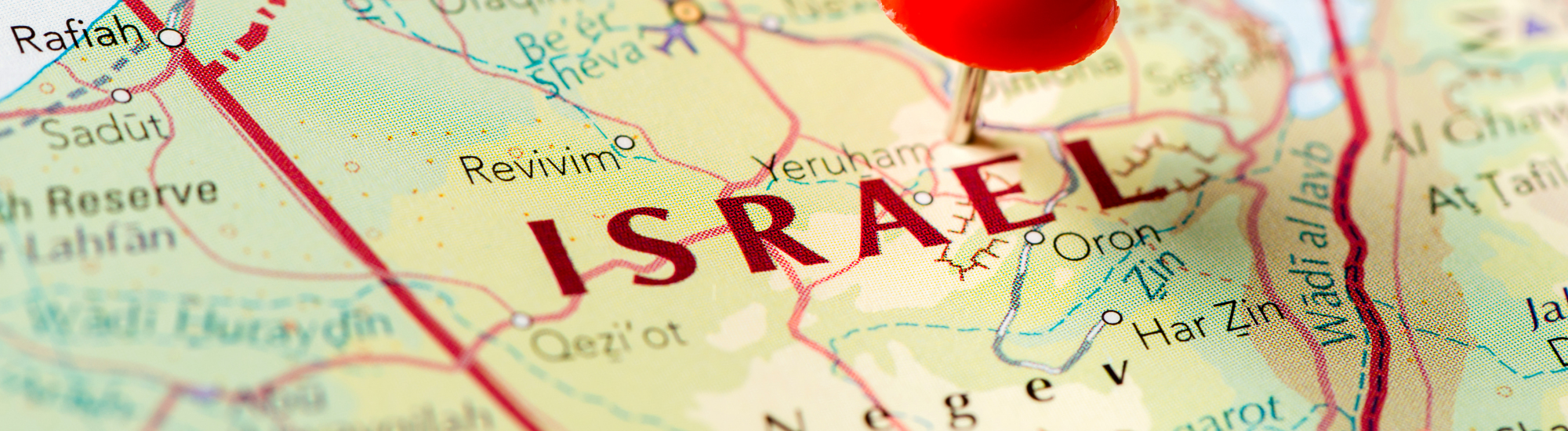
The Israeli Economy An Overview

This is Israel Territory22,072 km² (ranked 154th) Official LanguageHebrew (Arabic as a recognized language with a special status) CurrencyIsraeli Shekel (1USD- 3.47 ILS*) CapitalJerusalem Geography Located

read more »

אולי יעניין אותך גם...

https://www.unitedxp.co.il/wp-content/uploads/2025/07/יחדיו-עמילות-מכס-3.png
FCL vs. LCL: Which Shipping Option Is Right for Your Business?

Introduction: A Logistical Decision with Financial Impact For any importer, the choice between FCL (Full Container Load) and LCL (Less than Container Load) is strategic. It influences not only the final...

https://www.unitedxp.co.il/wp-content/uploads/2025/06/יחדיו-עמילות-מכס-2.png
Customs Broker – The Central Player in the Supply Chain: Roles, Responsibilities, and Challenges

Introduction In every import transaction—whether it’s a massive container shipment from the Far East or a personal package from the United States—there is one key player who mediates between the importer...

https://www.unitedxp.co.il/wp-content/uploads/2025/06/יחדיו-1.png
Exemption under Section 2(g)(2) of the Free Import Order – Who Qualifies and How to Obtain It

Introduction Importing goods into Israel requires compliance with strict regulations, especially regarding standards, licensing, and coordination with government authorities. However, there are legal exceptions...

https://www.unitedxp.co.il/wp-content/uploads/2025/06/יחדיו.png
Customs Brokerage in Israel: What It Really Is and Why You Can’t Do Without It

Introduction The global economy has opened up countless opportunities for cross-border trade—but with those opportunities come complex regulatory, bureaucratic, and logistical challenges. That’s where...

https://www.unitedxp.co.il/wp-content/uploads/2025/05/מה-ההבדל-בין-FTA-TPA-ו־RTA_-מדריך-להסכמי-סחר-חופשי.png
What’s the Difference Between FTA, TPA, and RTA? A Guide to Trade Agreements

Introduction In today’s globalized economy, international trade agreements play a central role in shaping how goods and services move across borders. The acronyms FTA, TPA, and RTA represent different...

https://www.unitedxp.co.il/wp-content/uploads/2025/05/הצהרת-יבואן-–-למה-זה-קריטי-וכיצד-נכון-למלא-אותה.png
Importer's Declaration – Why It’s Critical and How to Fill It Out Correctly

Introduction In an era of advanced regulation and increased scrutiny of global trade, the importer’s declaration has become one of the most critical documents in the import chain. It’s a legal document...

https://www.unitedxp.co.il/wp-content/uploads/2025/05/פקקי-ענק-בנמלי-אירופה.png
Massive Congestion in Northern European Ports: Half of the Ships Are Waiting to Dock

Introduction In what has been dubbed the “Maritime Gridlock Crisis” of 2025, Northern Europe’s ports are experiencing unprecedented congestion. According to data from logistics tracking...

https://www.unitedxp.co.il/wp-content/uploads/2025/05/מחיר-מלחמת-הסחר-אנייה-אחת-–-מכס-של-417-מיליון-דולר.png
The True Cost of the Trade War: One Ship – $417 Million in Duties

https://www.unitedxp.co.il/wp-content/uploads/2025/05/ממשלת-ישראל-אישרה-את-הסכם-ההובלה-הימית-עם-ממלכת-מרוקו.png
The Israeli Government Approves Maritime Transport Agreement with the Kingdom of Morocco

Introduction In 2025, a historic decision was made: the Israeli government officially approved a maritime transport agreement with the Kingdom of Morocco. This strategic cooperation is expected to strengthen...

https://www.unitedxp.co.il/wp-content/uploads/2025/04/בקרת-שכר-2.png
Developments in Global Trade Controls: January–March 2025

Introduction The first quarter of 2025 brought significant changes in global trade regulations, including tighter enforcement, new tariff regimes, and expanded sanctions frameworks. Major powers like the...