


תקציר
How do you verify classification, taxes, standards, and permits?In Israel, a customs broker represents the importer before customs authorities and handles professional aspects of clearance. UnitedXP offers international freight forwarding and customs brokerage services designed to create operational continuity among transportation planning, documentation, and cargo clearance.According to information published on the company’s website, many UnitedXP employees have more than 40 years of experience in international freight forwarding, customs brokerage, and international trade. Choosing a freight forwarder and customs broker affects far more than freight rates.
How to Choose a Freight Forwarder and Customs Broker: 10 Questions You Must Ask
Freight cost is only one part of the decision. Your freight forwarder and customs broker affect delivery schedules, import documentation, tariff classification, clearance costs, and your company’s ability to respond when cargo is delayed or additional documents are required.
Many importers compare freight companies using a single figure: the cost of ocean or air freight. This comparison matters, but it is not enough.
A low quotation that excludes important service components can become expensive once surcharges, storage, documentation, terminal handling, inspections, corrections, and inland transportation are added.
Beyond price, businesses should examine planning quality, professional knowledge, availability, responsiveness, operational capacity, and accountability.
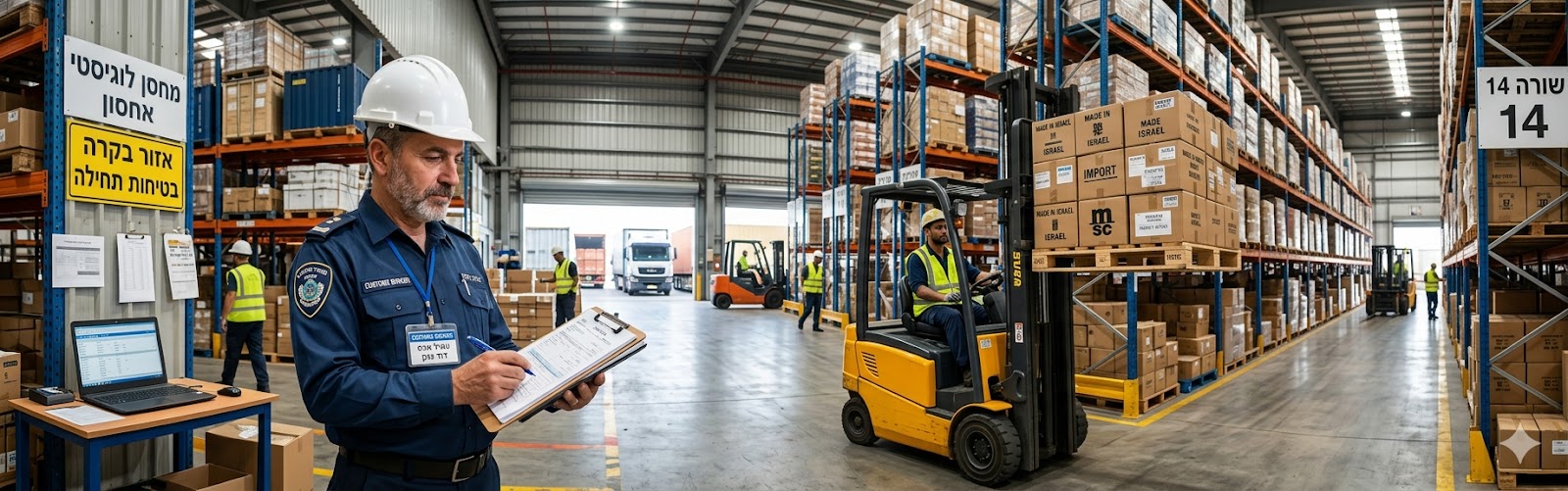
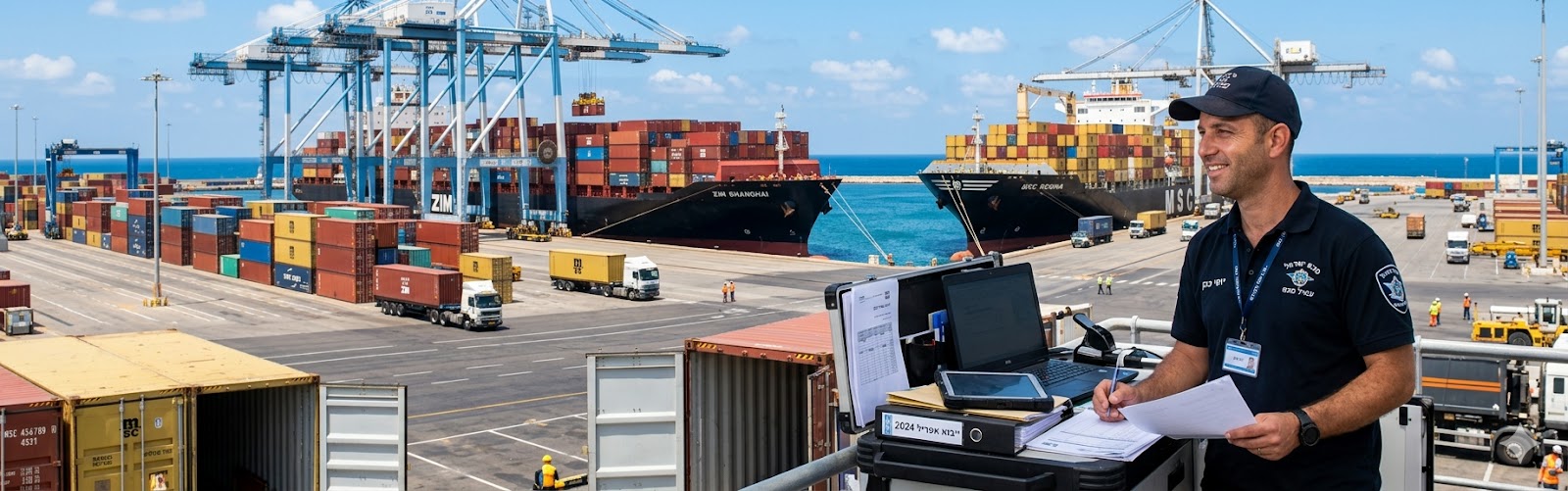
An international freight forwarder coordinates cargo movement among the supplier, carriers, ports, airlines, overseas agents, and final destination. A customs broker represents the importer before customs authorities and handles matters such as the import declaration, tariff classification, tax calculation, and presentation of required documents and permits.1
Some companies provide both services under one roof. This structure may reduce the number of interfaces the client must manage. However, importers should verify that the freight and customs departments genuinely work together.
Why Is Choosing the Right Freight Forwarder and Customs Broker Critical?
Import and export operations consist of interdependent activities. An error in a commercial document can delay clearance. Incorrect classification can affect duties, taxes, standards, or permit requirements. Booking transportation too late may jeopardize the delivery date.
Even when a problem originates with the supplier, port, carrier, or airline, the client expects the forwarding company to identify it, explain its implications, and propose alternatives.
The decision should therefore combine experience, expertise, transparency, operational infrastructure, service quality, and the ability to support the shipment from initial planning through final delivery.
Market Comparison: Which Types of Logistics Providers Are Available?
The freight-forwarding and customs-brokerage market is diverse. It includes customs brokerage offices focused mainly on clearance, boutique forwarding companies, global logistics corporations, and integrated providers offering forwarding, customs brokerage, and additional logistics services.
| Criterion | Customs Brokerage Office | Boutique Forwarder | Global Corporation | Integrated Provider |
|---|---|---|---|---|
| International freight | Not always | Core service | Core service | Core service |
| Customs brokerage | Core service | In-house or through a partner | Varies by country and branch | Part of the overall solution |
| Personal contact | Usually high | Usually high | Depends on the service model | Depends on the assigned team |
| Operational continuity | Coordination with a forwarder is required | Depends on company structure | Global procedures | Potential advantage from connected departments |
| Best suited for | A focused customs need | Businesses seeking flexibility | Large-scale operations | Businesses seeking one central address |
10 Questions to Ask Before Choosing a Provider
1. Do You Have Experience with Our Products and Industry?
General forwarding experience does not necessarily mean relevant experience with your cargo. Food, medical equipment, machinery, communication products, chemicals, textiles, and spare parts may each require different documents, approvals, and procedures.
Ask whether the provider understands your product type, country of origin, route, and the common failure points in your industry.
2. Who Will Actually Handle Our Account?
The company’s name matters, but the assigned team manages the shipment day to day. Determine who receives documents, communicates with overseas agents, monitors departures, and handles customs-related questions.
Also examine the backup arrangement. A shipment cannot stop because one contact is on leave.
3. What Exactly Is Included in the Quotation?
Check whether it includes pickup, origin handling, international freight, surcharges, documentation, insurance, destination handling, customs brokerage, and inland delivery.
The Incoterms rule, cargo dimensions, weight, packing volume, container type, cargo classification, and shipping date should be stated. A change in any of these details may change the price.
4. Which Shipping Options Can You Offer?
The right solution depends on cost, weight, volume, urgency, cargo sensitivity, inventory needs, and the required delivery date.
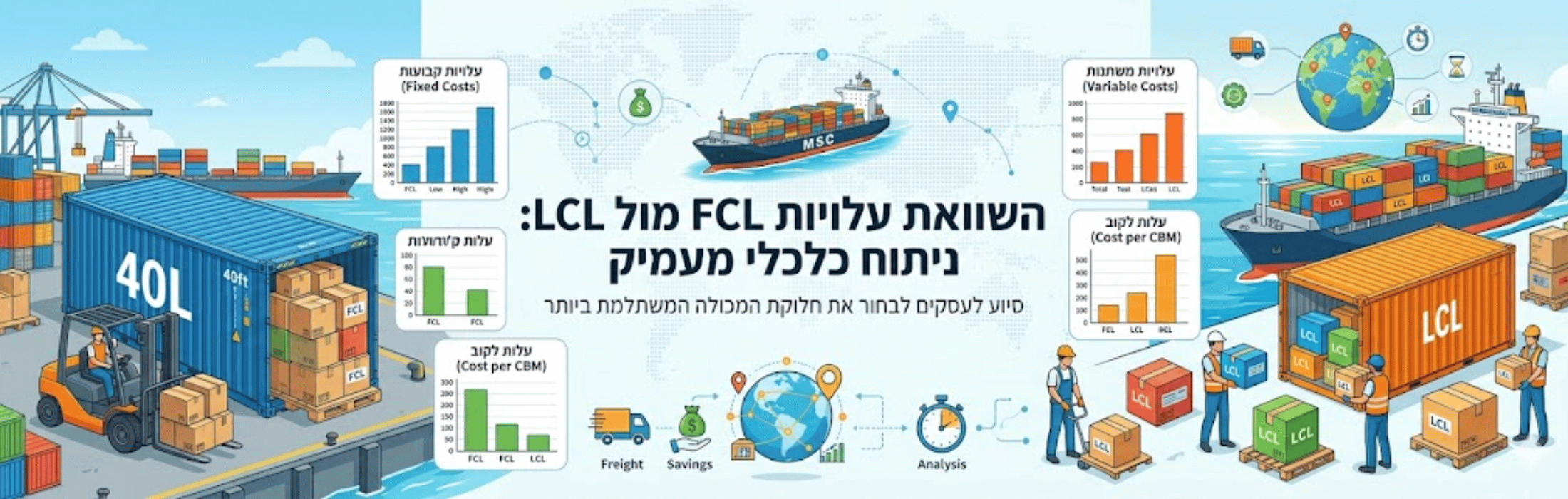
A professional provider should compare ocean, air, land, multimodal, full-container, less-than-container, and special solutions when relevant.
5. What Is Your Agent Network in the Origin and Destination Countries?
A significant part of the service is performed outside Israel. The origin agent communicates with the supplier, coordinates pickup, receives documents, and moves cargo to the port or airport.
Confirm that the company has stable working relationships, operational capacity where your suppliers operate, and a reliable response channel when discrepancies arise.
6. What Is Your Level of Customs and Regulatory Expertise?
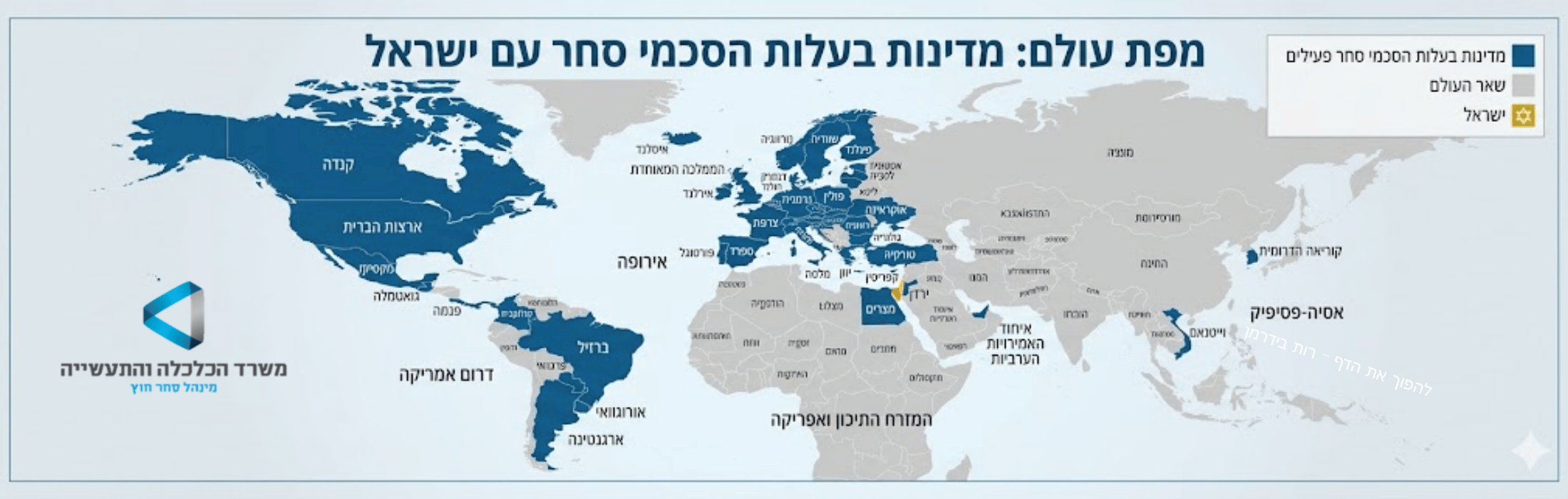
In Israel, a customs broker represents the importer before customs authorities and handles professional aspects of clearance. Classification or documentation errors may cause delays, tax demands, and additional expenses.2
Involve the customs department before departure. An early review can identify missing documents and regulatory requirements before the cargo begins accumulating storage costs.
7. How Will We Receive Tracking Information and Updates?
Good tracking means more than showing a vessel’s location. The client needs to know whether cargo was collected, departed, encountered a schedule change, and which documents or actions are still required.
Define update milestones and recipients in advance.
8. How Do You Handle Delays and Exceptional Events?
Delays, sailing cancellations, route changes, document discrepancies, and cargo damage are possible risks in international trade.
The test is not whether a provider can prevent every event. It is whether the provider identifies the problem, reports it, evaluates alternatives, and limits the effect on the business.
9. What Support Do You Provide for Cargo Insurance and Claims?
Carrier liability is limited and may not cover the full value of the goods. Cargo insurance should be reviewed according to the product, value, route, and terms of sale.
Understand covered events, exclusions, the insured amount, reporting deadlines, and required claim documentation.
10. How Do You Measure Service Quality?
A long-term relationship should rely on data, not only impressions. Metrics may include response time, schedule performance, exceptions, actual cost versus quotation, clearance time, and document completeness.
For significant accounts, hold periodic service reviews and derive lessons from previous shipments.
How to Compare Quotations Correctly
Send every provider identical data: pickup address, destination, weight, volume, dimensions, cargo type, Incoterms rule, readiness date, and special requirements. Then compare every cost component and the proposed service level, not merely the final figure.
| Comparison Area | What Should Be Checked? | Why Does It Matter? |
|---|---|---|
| Base price | Ocean, air, or land freight | This is only the initial cost component |
| Surcharges | Origin, destination, fuel, security, and season | Surcharges may change the comparison |
| Handling fees | Documents, communication, bills of lading, and handling | All providers should quote comparable items |
| Customs brokerage | Declaration, classification, permits, and inspections | Complexity varies by product |
| Transit time | Estimate, frequency, and intermediate stops | Inventory delays create business costs |
| Service level | Contact, updates, backup, and exception handling | This affects management time and responsiveness |
Scorecard for Selecting a Freight Forwarder and Customs Broker
Give each provider a score from 1 to 10 in each area, then multiply it by the weight assigned according to its importance to your business.
Warning Signs Before Signing an Agreement
Why UnitedXP?
UnitedXP offers international freight forwarding and customs brokerage services designed to create operational continuity among transportation planning, documentation, and cargo clearance.
According to information published on the company’s website, many UnitedXP employees have more than 40 years of experience in international freight forwarding, customs brokerage, and international trade. This experience reflects familiarity with processes, documents, routes, and exceptional situations accumulated over many years.3
UnitedXP is part of the ETGA Group, which operates in transportation, freight forwarding, and logistics. The group connection adds a broader business framework and supply-chain knowledge alongside the professional team managing daily operations.3
What Should Be Prepared Before Moving to a New Provider?
Gather product data, supplier details, routes, shipment volumes, Incoterms rules, existing classifications, permits, insurance policies, and exception history. Begin with a noncritical trial shipment, define update milestones, and compare the actual cost with the quotation. After delivery, review what worked, what required intervention, whether documents arrived on time, whether costs were predictable, and whether service met expectations.
Final Decision Checklist
Summary: Choose a Risk-Management Partner, Not Just a Transportation Provider
Choosing a freight forwarder and customs broker affects far more than freight rates. It influences inventory planning, access to information, customs compliance, exception detection, and timely decision-making.
Compare quotations using identical data, check what each price includes, and evaluate experience, personnel, agent networks, customs expertise, information availability, and exception handling.
The ten questions in this guide move the decision beyond price and toward genuine business compatibility. A professional provider should explain the process, identify risks, and propose solutions suited to the product, timetable, and budget.
UnitedXP combines international forwarding and customs brokerage with an experienced team, including many employees with more than 40 years of experience, and the support of the ETGA Group. This combination makes it possible to view each shipment as part of a complete supply chain.
Planning an Import, Export, or International Shipment?
The UnitedXP team can review your cargo data, route, and clearance requirements and propose a solution suited to your business activity.
Contact UnitedXP