



How AI Transformed Global Shipping in 2025 — And What It Means for Importers in 2026

New articles
archives
December 2025
S M T W T F S
 123456
78910111213
14151617181920
21222324252627
28293031  

How AI Transformed Global Shipping in 2025 — And What It Means for Importers in 2026

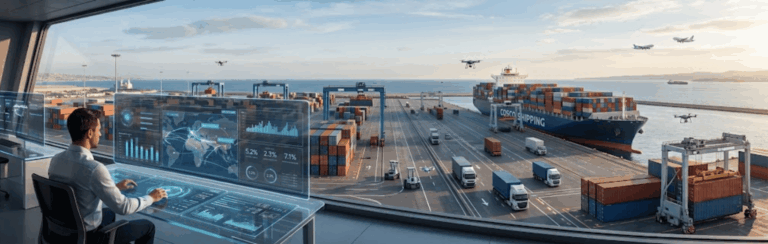
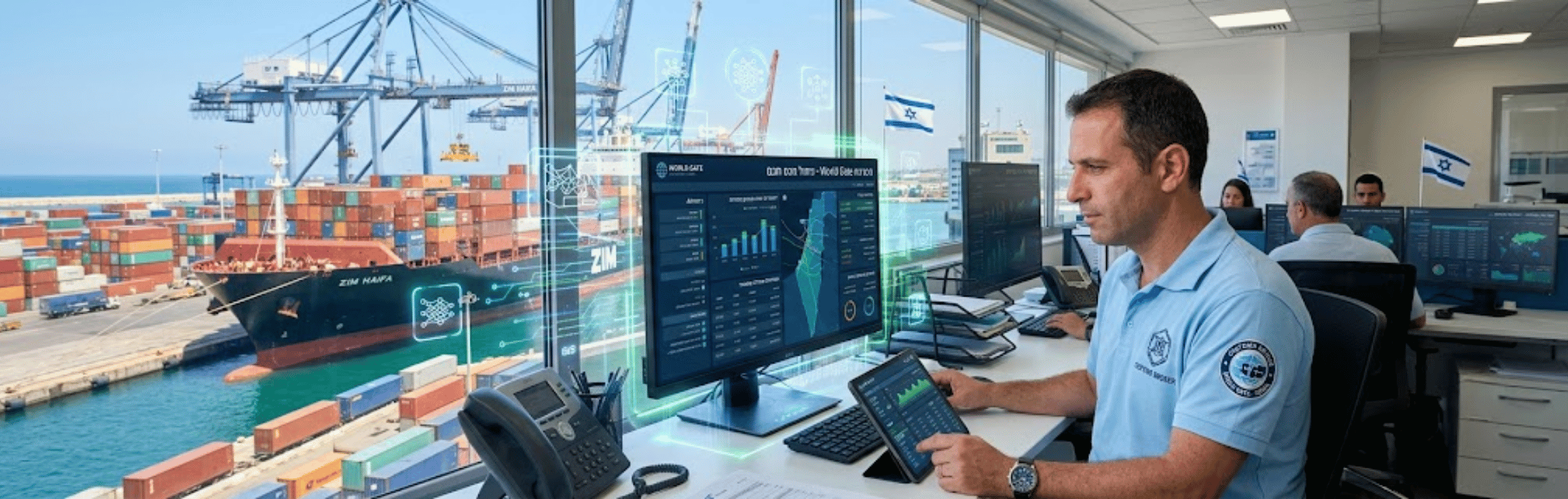
The year 2025 marked a major turning point in the global shipping industry. Artificial intelligence, already reshaping marketing, finance, and HR, became a core operational engine for importers and logistics providers. What was once a slow, manual process dependent on emails, spreadsheets, and phone calls evolved into an intelligent network capable of identifying bottlenecks, predicting delays, pricing routes, processing documents, monitoring suppliers, and improving customs clearance accuracy.

Amid port congestion, rising fuel costs, geopolitical instability, and growing expectations for transparency, AI allowed importers to operate faster, more accurately, and with increased control. Businesses that adopted real-time data systems gained a competitive edge, while those that continued managing supply chains manually found themselves behind.

This article outlines what changed in 2025 and how importers can leverage these developments entering 2026.

What Changed in 2025

The shift centered around four pillars: data intelligence, prediction, automation, and real-time decision-making.

Automated Documentation

AI systems analyzed shipping documents such as Bills of Lading, Packing Lists, Commercial Invoices, and Certificates of Origin. OCR and validation models identified errors in HS classification, invoice accuracy, and customs fields before arrival, preventing penalties and delays.

Predictive Port and Route Forecasting

Algorithms processed global maritime data, port congestion patterns, weather conditions, labor strikes, and geopolitical risks. Importers received early warnings and alternative routing recommendations.

Smart Freight Pricing

AI compared freight quotations in real time, forecasted rate changes, analyzed market capacity, and evaluated fuel and storage costs. The result was more accurate pricing and improved negotiation.

Inventory and Supply Planning

Predictive models aligned supply chain cycles to customer demand, seasonality, and risk. Importers reduced lead times and avoided overstock. Ecommerce businesses improved customer experience with accurate delivery expectations.

Supplier Monitoring and Risk Control

AI ranked suppliers, detected suspicious activity, analyzed performance, and flagged fraud. Monitoring supplier KPIs became a standard requirement.

Table: AI Impact Across the Supply Chain

AreaBefore AIAfter AI
DocumentationManual checks, frequent errorsAutomated validation, fewer fines and delays
Delivery TimesApproximate ETAHigh-accuracy predictive ETA
Freight PricingManual comparisonDynamic pricing and optimal route selection
Supplier OversightBased only on experienceData-driven supplier scoring and risk alerts
Customer ServiceLimited visibilityReal-time shipment status and automated communication

Real-World Examples

A consumer electronics importer reduced storage fees after AI flagged incorrect customs values
A distribution company shortened clearance time by 18% using OCR and early documentation checks
A fashion retailer rerouted cargo to an alternate port after AI predicted congestion, saving six days

Preparing for 2026

Implement AI-based logistics systems

Adopt OCR, ETA prediction, freight comparison, and customs validation tools.

Elevate customer experience

Provide tracking, notifications, and delivery transparency as a standard expectation.

Work with technology-enabled customs brokers

Integrate systems and move away from scattered files and manual workflows.

Plan multi-route shipping strategies

Use AI to compare cost, time, and risk across global corridors.

Conclusion

The logistics revolution of 2025 demonstrated that AI is not a “nice-to-have” tool but an operational necessity. Businesses that embraced AI gained speed, accuracy, and cost advantages. Those that did not adopt automation will face widening performance gaps in 2026.

Artificial intelligence transformed global trade. The next phase will reward organizations that combine data-driven decision-making with professional human expertise — especially in complex markets like international shipping.
How did AI improve delay predictions in global shipping?
AI analyzed ocean traffic, port congestion, weather patterns, and labor events to provide accurate ETA forecasts and alert importers to disruptions early.
How does AI impact freight pricing?
AI compares rates in real time, tracks market capacity, fuel indexes, and seasonal trends, enabling accurate pricing and better negotiation.
Can AI process and verify import documents?
Yes. AI with OCR validates Bills of Lading, invoices, and certificates of origin, reducing human error and preventing clearance delays and fines.
Does AI replace freight forwarders or customs brokers?
No. AI augments experts by automating checks and improving accuracy. Strategic judgment, compliance management, and regulatory handling still require human expertise.
Is AI accessible to small importers?
Yes. Cloud-based SaaS platforms make advanced automation affordable and easy to deploy without major IT infrastructure.
How does AI enhance supplier management?
AI scores suppliers, detects inconsistent behavior, reviews performance trends, and highlights fraud risks, improving sourcing decisions.
How does AI improve customer experience in logistics?
AI provides real-time shipment visibility, proactive updates, and automated service workflows, leading to higher transparency and fewer support requests.
What does this shift mean for importers in 2026?
Importers must adopt digital systems, automated workflows, and predictive planning tools to remain competitive as logistics becomes fully data-driven.
What competitive advantage does AI give importers?
AI reduces cost, speeds clearance, improves accuracy, and helps businesses navigate market volatility and global supply chain risks.
Can AI reduce customs value and compliance errors?
Yes. AI cross-checks invoices and shipping data to ensure correct valuation and documentation, helping prevent penalties and disputes.

More on the subject...

https://www.unitedxp.co.il/wp-content/uploads/2025/11/0e6be1932431dcde3997db1f4322d9c4.webp
Israel and India Renew Free Trade Agreement Negotiations

Israel and India Renew Negotiations on Free Trade Agreement Israel and India Renew Negotiations on Free Trade Agreement During the visit of India’s Minister of Commerce and Industry, Piyush Goyal, to Israel,...

https://www.unitedxp.co.il/wp-content/uploads/2025/11/מדריך-עדכני-ליבוא-מסין-לישראל-–-עלויות-סיכונים-וטיפים-חשובים.png
Importing from China to Israel – Essential Guide

The Complete Guide to Importing from China to Israel – Costs, Risks & Practical Tips The Complete Guide to Importing from China to Israel – Costs, Risks & Practical Tips Importing from China...

https://www.unitedxp.co.il/wp-content/uploads/2025/11/מגמות-השילוח-הבינלאומי-ב-2026-–-איך-ישראלים-אמורים-להתכונן.png
Timeline – Global Logistics Trends 2024 - 2026

2026 is shaping up to be a turning point in global shipping: accelerated AI[1] adoption across the supply chain, shifts in major trade corridors, and tougher ESG[4] requirements. In parallel, Israel is...

https://www.unitedxp.co.il/wp-content/uploads/2025/10/שינויים-בנתיבי-המסחר-העולמיים-בעקבות-חסימות-ים-סוף.png
Global Trade Route Shifts Following the Red Sea Blockages

How Israeli Shipping Companies Adapted by Rerouting Through the Cape of Good Hope Introduction Over the past few years, global trade routes have undergone one of the most dramatic transformations in modern...

https://www.unitedxp.co.il/wp-content/uploads/2025/09/עמילות-מכס-במעבר-יבשתי-–-מה-חשוב-לדעת-על-יבוא-דרך-ירדן-ומעבר-נמל-אילת.png
Customs Brokerage in Land Crossings – What You Need to Know About Imports via Jordan and Eilat Port

Introduction In global trade, most Israeli importers focus on sea or air freight. However, land-based imports – particularly through Jordan and the Port of Eilat – are becoming increasingly significant...

https://www.unitedxp.co.il/wp-content/uploads/2025/09/טעויות-נפוצות-ביבוא-אישי-ועסקי-–-וכיצד-עמיל-מכס-יכול-למנוע-אותן.png
Common Mistakes in Personal and Commercial Imports – and How a Customs Broker Can Prevent Them

Introduction Importing goods, whether for personal use or large-scale commercial trade, involves complex bureaucratic and legal procedures. Small mistakes in this process can cause financial losses, long...

https://www.unitedxp.co.il/wp-content/uploads/2025/09/שחרור-מהיר-מהמכס-–-איך-לבחור-עמיל-מכס-שיודע-לקצר-תהליכים.png
Fast Customs Clearance – How to Choose a Customs Broker Who Knows How to Shorten Processes

Introduction In today’s fast-paced world of import and export, time is not only money – it is also a crucial competitive advantage. Many businesses discover that slow customs clearance can cause direct...

https://www.unitedxp.co.il/wp-content/uploads/2025/08/שילוח-ירוק.png
Green Shipping – Standards, Methods, and the New Logistics Opportunity

Introduction As environmental concerns increasingly shape government policy, business efficiency, and corporate reputation, the global logistics industry is undergoing a strategic shift. Green shipping,...

https://www.unitedxp.co.il/wp-content/uploads/2025/08/מזרח-תיכון.png
Continuous Shipping in the New Middle East – Is Israel Becoming a Bridge Between Bahrain, the UAE and the West?

Introduction The Abraham Accords opened new economic routes between Israel and Arab states, particularly for shipping to the UAE and shipping to Bahrain. With shifting geopolitics and growing trade, the...

https://www.unitedxp.co.il/wp-content/uploads/2025/08/יחדיו-עמילות-מכס-1.png
Shipping Forecast 2026: What Trends Will Impact Delivery Times and Import Costs to Israel?

Introduction The global shipping industry is undergoing a dramatic transformation. In 2026, five key trends are expected to reshape how goods arrive in Israel. Geopolitical changes, environmental regulations,...

1 2 3 13