Where do my things come from? How trade works today

New articles
archives
January 2026
S M T W T F S
 123
45678910
11121314151617
18192021222324
25262728293031

Where do my things come from? How trade works today

Where do my things come from? How trade works today

When we think about international trade, we traditionally think about a person or company producing all elements of a product in their home country and then exporting a final product to a consumer in a different country.

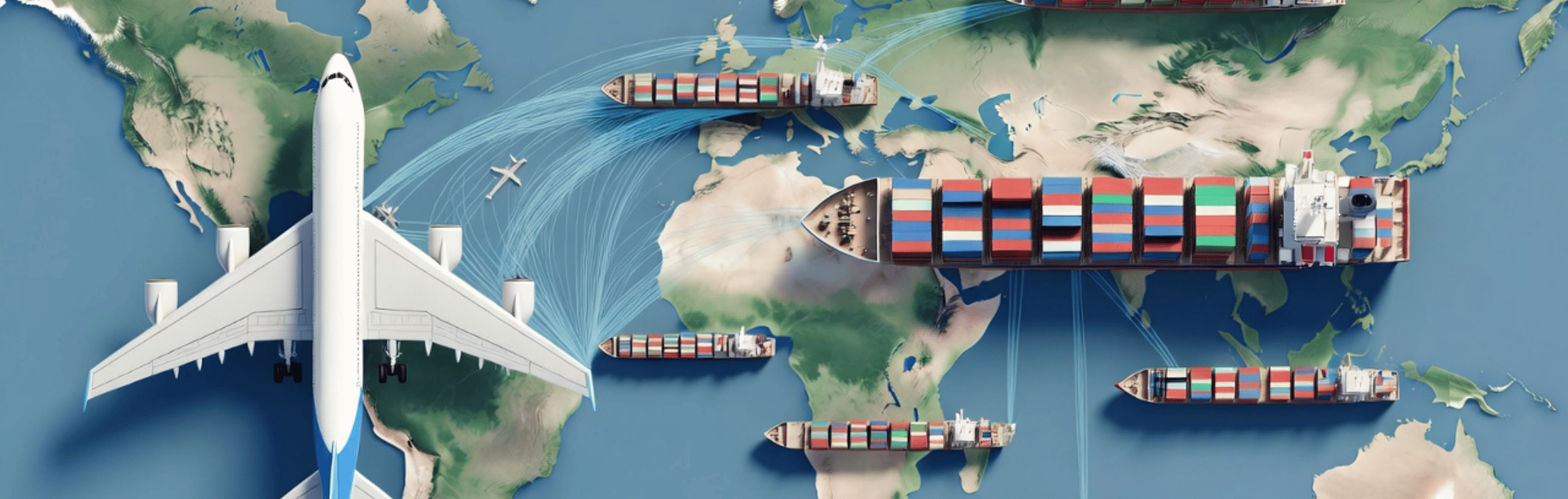
This type of trade, however, only represents about 30% of goods and services trade today; the majority of trade (70%) is actually in intermediate parts, components, and services that form segments of global value chains (GVCs). The process of producing goods is often spilt across countries, with different elements carried out wherever the necessary skills and materials are available at competitive cost and quality.

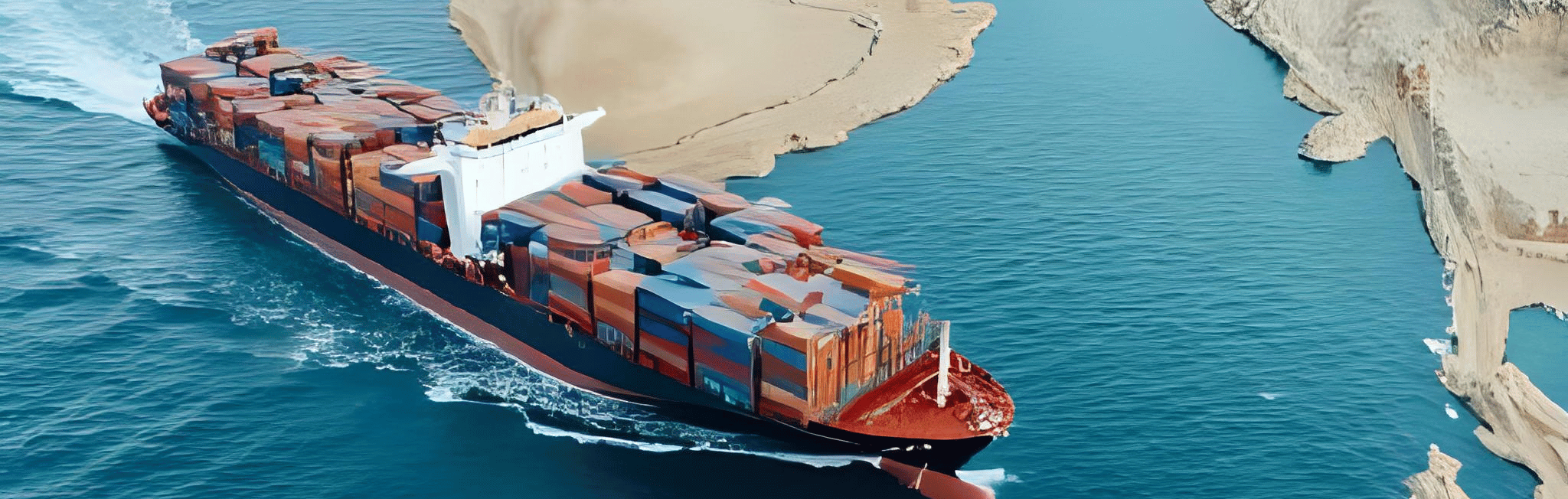
For example, a T-Shirt may be manufactured in Viet Nam using fabric imported from the United States, and then exported to Canada to sell in local retail markets. At the other end of the technology spectrum, producing a smart phone requires many complex components sourced from all over the world, including for example, computer code from France, silion chips from Singapore, precious metals from Bolivia, and graphic design from the United States. While the final product may be assembled in China and then shipped to consumers all around the world, this example reveals that many products we think of today as being made “somewhere” are in fact the result of efforts by firms and individuals in many countries.

Traditional trade statistics do not capture this reality, which is why the OECD launched an initiative to measure trade in “value added” (TiVA) terms, deepening our understanding of how trade actually works. Using TiVA, we can better identify how much value each country and industry adds to a final product along the global supply chain. This approach provides a much more accurate picture of trade balances between countries and the contribution of trade to income and employment. Taking the example of the smart phone, traditional trade statistics would attribute 100% of a final Apple iPhone assembled in China to Chinese exports, whereas a value-added approach shows that China actually only retains around 4% of the total value of the iPhone – the rest of the value is attributed to other countries that provide inputs all along the supply chain.

This new sharing of production across countries has enabled many more countries to participate in global trade, with developing countries increasing their share of global exports and imports. While the new environment for trade creates new opportunities, it also increases the costs of trade barriers.

When goods and components cross borders many times in GVCs, even small tariffs can add up, and the costs of inefficient border procedures are multiplied. Trade facilitation –the transparent, predictable and straightforward procedures that expedite the movement of goods across borders – is becoming ever more important, and is especially critical for trade in perishable agricultural products or high-tech manufacturing components, both of which are highly sensitive to delays. Trade facilitation is becoming even more important in the digital era.

TiVA data also highlight how important services are to global trade. Services represent more than 50% of total global exports, and over 30% of manufactured goods exports and around 25% of agri-food exports in value added terms. This means that efficient services sectors are not just important in their own right – services contribute to as much as 80% of GDP in some countries – but they are also essential to a country’s competitiveness in other sectors as well.

Even though services generate more than two-thirds of global GDP, employ the most workers in major economies, create more new jobs than any other sector, and are critical to competitiveness, obstacles to trade in services remain pervasive. Regulatory reforms and liberalisation of trade and investment in services are needed to enhance competition and increase the productivity and quality of services.

More related articles...

More on the subject...

https://www.unitedxp.co.il/wp-content/uploads/2026/01/שילוח-אווירי-מול-שילוח-ימי-–-איך-בוחרים-נכון-ב-2026.png
Air Freight vs. Sea Freight – How to Choose the Right Option in 2026?

Introduction In 2026, choosing between air freight and sea freight is no longer a simple pricing decision. It is a strategic choice that directly affects cash flow, customer commitments, regulatory exposure,...

https://www.unitedxp.co.il/wp-content/uploads/2025/12/איך-עמיל-מכס-טוב-יכול-לחסוך-לעסק-כסף-וזמן.png
How a Skilled Customs Broker Can Save Your Business Time and Money

Introduction Import and export activities are a major growth engine for many businesses, but they are also among the most complex and risk-sensitive operational areas. Minor documentation errors, incorrect...

https://www.unitedxp.co.il/wp-content/uploads/2025/12/שאלות-נפוצות-על-שילוח-בינלאומי-ועמילות-מכס-–-תשובות-מקצועיות-מהשטח.png
Frequently Asked Questions About International Shipping and Customs Brokerage

Introduction International shipping and customs brokerage are often perceived as technical and complex fields. In practice, they directly affect costs, delivery timelines, cash flow, and business planning....

https://www.unitedxp.co.il/wp-content/uploads/2025/12/10-שאלות-שכדאי-לשאול-את-חברת-השילוח-לפני-שבוחרים.png
10 Questions You Should Ask a Shipping Company Before Choosing One

Introduction Choosing an international shipping company is a critical business decision, even though it is sometimes treated as a purely operational matter. In practice, a shipping company has a direct...

https://www.unitedxp.co.il/wp-content/uploads/2025/11/0e6be1932431dcde3997db1f4322d9c4.webp
Israel and India Renew Free Trade Agreement Negotiations

Israel and India Renew Negotiations on Free Trade Agreement Israel and India Renew Negotiations on Free Trade Agreement During the visit of India’s Minister of Commerce and Industry, Piyush Goyal, to Israel,...

https://www.unitedxp.co.il/wp-content/uploads/2025/11/מדריך-עדכני-ליבוא-מסין-לישראל-–-עלויות-סיכונים-וטיפים-חשובים.png
Importing from China to Israel – Essential Guide

The Complete Guide to Importing from China to Israel – Costs, Risks & Practical Tips The Complete Guide to Importing from China to Israel – Costs, Risks & Practical Tips Importing from China...

https://www.unitedxp.co.il/wp-content/uploads/2025/11/מגמות-השילוח-הבינלאומי-ב-2026-–-איך-ישראלים-אמורים-להתכונן.png
Timeline – Global Logistics Trends 2024 - 2026

2026 is shaping up to be a turning point in global shipping: accelerated AI[1] adoption across the supply chain, shifts in major trade corridors, and tougher ESG[4] requirements. In parallel, Israel is...

https://www.unitedxp.co.il/wp-content/uploads/2025/11/איך-AI-משנה-את-עולם-השילוח-הבינלאומי-ב-2025.png
How AI Transformed Global Shipping in 2025 — And What It Means for Importers in 2026

The year 2025 marked a major turning point in the global shipping industry. Artificial intelligence, already reshaping marketing, finance, and HR, became a core operational engine for importers and logistics...

https://www.unitedxp.co.il/wp-content/uploads/2025/10/שינויים-בנתיבי-המסחר-העולמיים-בעקבות-חסימות-ים-סוף.png
Global Trade Route Shifts Following the Red Sea Blockages

How Israeli Shipping Companies Adapted by Rerouting Through the Cape of Good Hope Introduction Over the past few years, global trade routes have undergone one of the most dramatic transformations in modern...

https://www.unitedxp.co.il/wp-content/uploads/2025/09/עמילות-מכס-במעבר-יבשתי-–-מה-חשוב-לדעת-על-יבוא-דרך-ירדן-ומעבר-נמל-אילת.png
Customs Brokerage in Land Crossings – What You Need to Know About Imports via Jordan and Eilat Port

Introduction In global trade, most Israeli importers focus on sea or air freight. However, land-based imports – particularly through Jordan and the Port of Eilat – are becoming increasingly significant...

1 2 3 13