The pandemic has shown the vitality of supply chain resilience. Dr Yueh explains what trends should be considered going forward in building back supply chains around the world. Banner image: Shutterstock/Travel mania
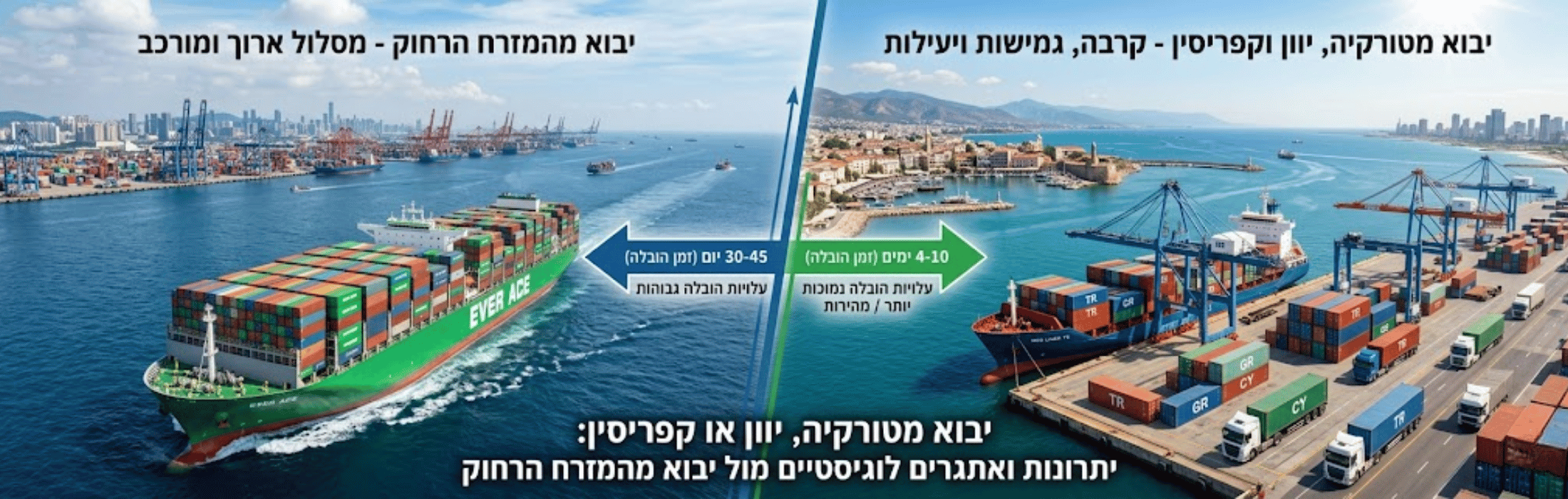
The shift from ‘Just-in-Time’ to ‘Just-in-Case’ captures the changes in supply chain management and the push for greater resilience that are increasingly characterising this fast-changing area.
The pandemic has highlighted the importance of supply chain resilience, that is, having an alternative to ‘Just-in-Time’ supply chains should there be border closures due to governments managing the pandemic.
The aftermath of the border closures has also contributed to supply chain disruptions as ships are not in the right place, among others.
Though that has increased the need for supply chain resilience, the drivers of changing how supply chains are managed precede the pandemic and include economic shifts, geo-political tensions, technological change, and consumer preferences linked to the environment.
The old economic drivers of ‘Just-in-Time’ supply chains included lower wages in emerging economies, particularly in China. Coupled with lower ICT and transport costs, the ability to fragment the production chain led to a burst of offshoring in the 1990s.
But, when wages started rising in China around the time its working population peaked, that began to change the picture. Coupled with high energy costs that were slowing down delivery times, the 2010s witnessed some US companies move from offshoring to re-shoring. Some US multinationals brought their production and their supply chains home.
The term, ‘Just-in-Case’ supply chains, though, was popularised due to greater geo-political tensions in the past few years. Notably, the Trump administration from 2016 until 2020 was engaged in a series of “trade wars” with China.
The imposition of tariffs and investment restrictions, often with short notice, hampered the usual functioning of supply chains. Since East Asia produces half of the world’s semi-conductor chips and China was an integral part of regional supply chains, the risk of disruption extended beyond American and Chinese borders. Brexit also led to multinational firms putting in place ‘Just-in-Case’ supply chains in the event of a ‘hard Brexit’ where the UK would have left the EU without a trade deal.
Although taking a different form, the risk of trade tools such as tariffs being used as a tool in geo-politics continues. China and Australia’s tensions, and the Japan-South Korea “trade war” are examples.
There is a further issue that has come to the forefront since the pandemic. There is greater concern about relying on another country for essential supplies, such as PPE and medicines. The most recent G7 communique in 2021 stressed the need for supply chain resilience for instance.
The LSE Commission for Economic Diplomacy, which I chaired, called for stress testing key supply chains to ensure that there was diversification and an alternative should a disruption occur. A more transparent and stress tested regime for supply chain resilience would be preferable to the current reality, where companies are not certain as to which supply chains would be under greater scrutiny.
The LSE Commission encouraged countries to identify the key supply chains and outline the testing required for resilience, and co-ordinate it among countries, so that firms would know what they were subject to and can manage accordingly.
But it’s not just risk factors that have been driving a re-think of supply chains. Technology is also a driver.
For instance, the greater commercialisation of additive manufacturing, also known as 3D printing, has the potential to shorten supply chains. Airplanes, for example, have come to use 3D printed parts instead of imported components. It has yet to become widely used.
But when looking at the automobile sector and the number of components that cross the UK-EU and US-Mexican borders, which were both at risk of disruption recently, it may be that such technology will increase the ability of companies to localise some parts of their supply chains.
The final major driver is consumer preferences. Although again not yet widely manifest, there are pockets of people who profess a preference to buy local, including to reduce the carbon footprint of their purchases as well as support local businesses.
Environmental concerns, such as when carbon is emitted through international transport, could also eventually drive the greater localisation of supply chains.
The efficient supply chains wrought by businesses over the past few decades are being subject to a series of forces which will lead to a re-think. For advanced and developing countries alike, recognising these trends and risks will be important in ensuring supply chains that function well during a changed 21st century global economy.
Given the particular importance for developing countries to integrate into global and regional supply chains, which can help their industries upgrade by working closely with existing global value chains, setting out a clear set of rules around supply chain resilience would increase confidence. For instance, which supply chains are vulnerable to geo-economic risks, whereby geo-politics and economics collide? What should companies in these sectors expect in terms of regulation, approvals or standards? Should those key supply chains move to ‘Just-in-Case’ to ensure resilience? How can countries promote efficiency and commercially viable decisions while at the same safeguarding against key supply chain risks?
These are some of the important questions to consider. As mentioned earlier, it would be important to not go it alone. The G7 is advocating a plurilateral approach whereby countries can come together to agree how to manage supply chain resilience. A globally co-ordinated stress testing regime would offer transparency in how supply chain management should change. That would be a step forward in helping companies manage supply chains that suit the 21st century world.