



Introduction
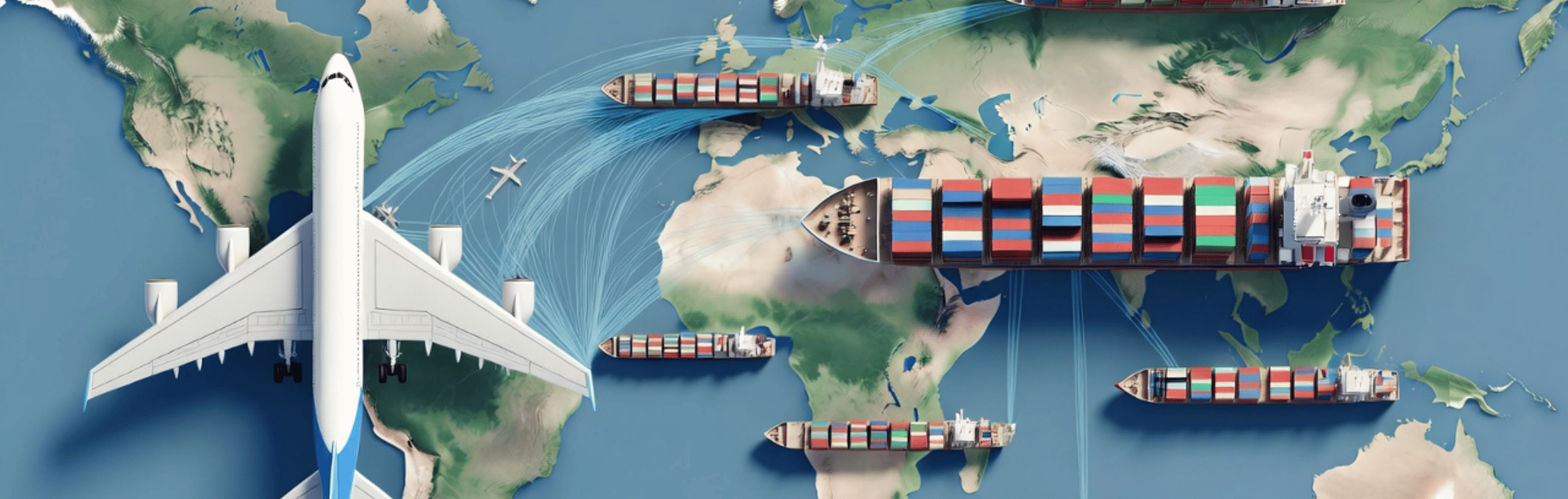
International shipping and customs brokerage are often perceived as technical and complex fields. In practice, they directly affect costs, delivery timelines, cash flow, and business planning. Many importers and exporters—both new and experienced—ask the same questions repeatedly: what truly impacts shipping costs, when a customs broker is required, why shipments are delayed, and how costly mistakes can be avoided.
This article brings together the most common questions about international shipping, customs brokerage, and import/export processes, with clear, professional, and experience-based answers drawn from real-world operations.
What Is the Difference Between International Shipping and Customs Brokerage?
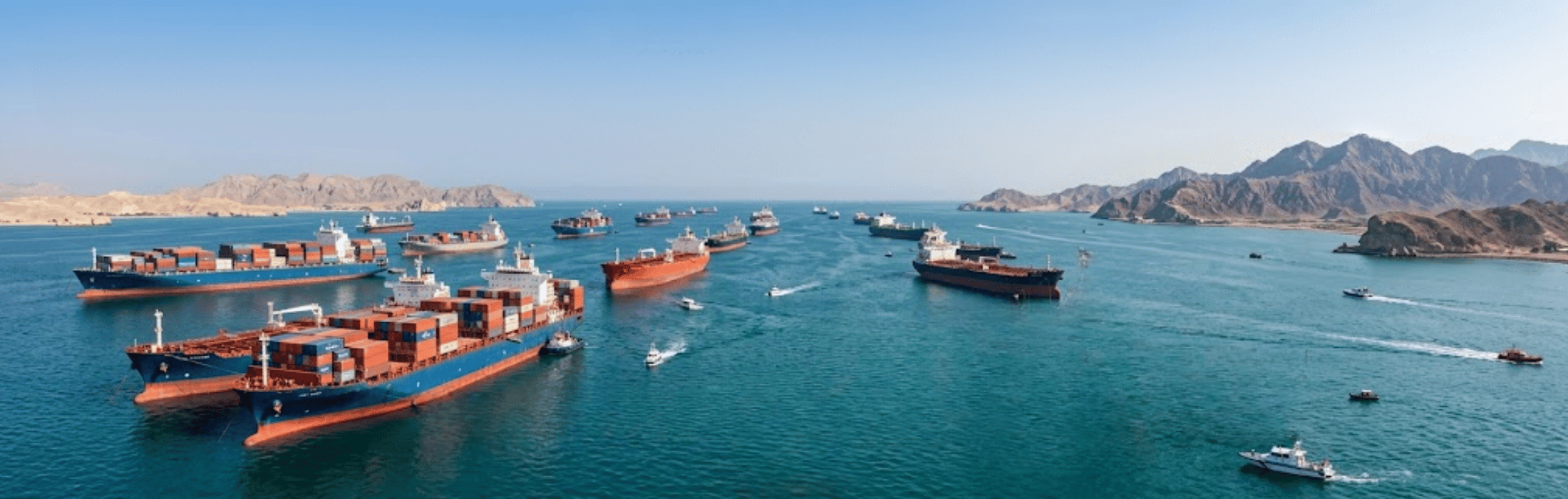
International shipping focuses on transporting goods from the country of origin to the destination, whether by sea, air, or land. It includes route planning, booking cargo space, handling transport documents, and arranging insurance.
Customs brokerage, on the other hand, deals with clearing goods through customs authorities. It is a regulatory function that requires in-depth knowledge of import laws, tariff classification, tax calculation, documentation, and compliance approvals. While the two areas are closely connected, they serve different purposes and require different expertise.
When Is a Customs Broker Required?
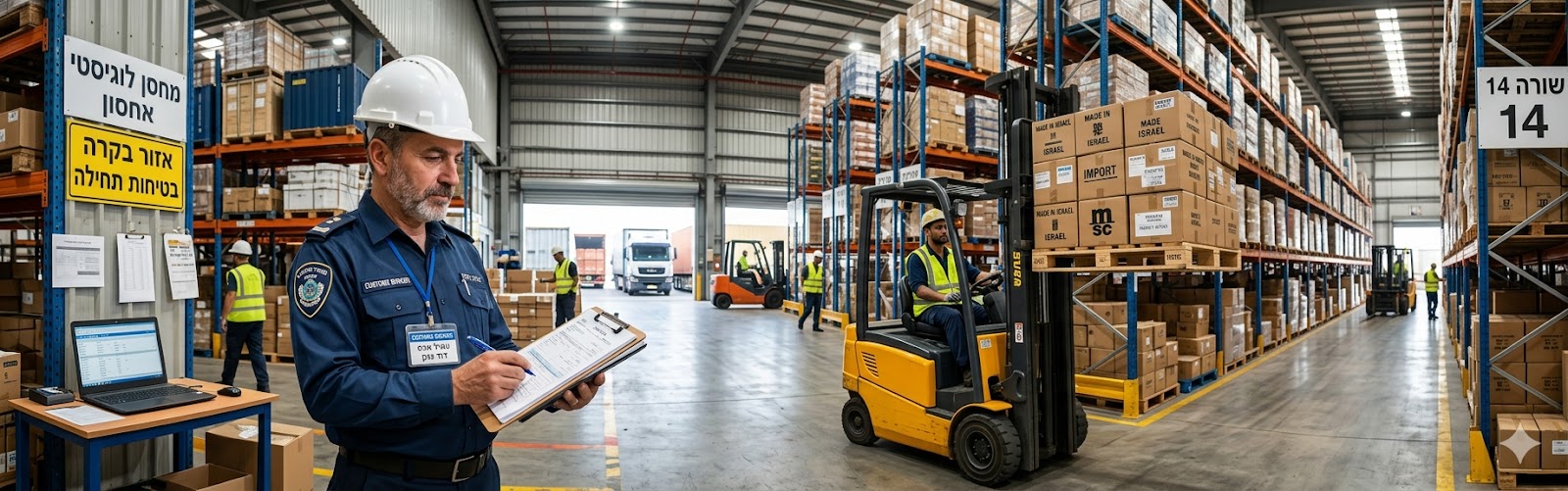
In Israel and most jurisdictions, all commercial imports must be handled by a licensed customs broker. Even for personal imports, certain shipments require professional handling depending on value, product type, or regulatory requirements.
A customs broker is especially critical when goods require special permits, standards approvals, or are subject to customs duties and purchase taxes. Attempting to clear such shipments without professional assistance often results in delays, penalties, or seizure of goods.
What Is Tariff Classification and Why Is It So Important?
Tariff classification is the process of assigning the correct HS (Harmonized System) code to a product. This code determines the applicable customs duties, taxes, regulatory requirements, and whether import permits are required.
Incorrect classification can lead to overpayment of taxes, customs delays, audits, and penalties. Accurate tariff classification is therefore one of the most critical aspects of professional customs brokerage.
Why Do Shipments Get Delayed at the Port?
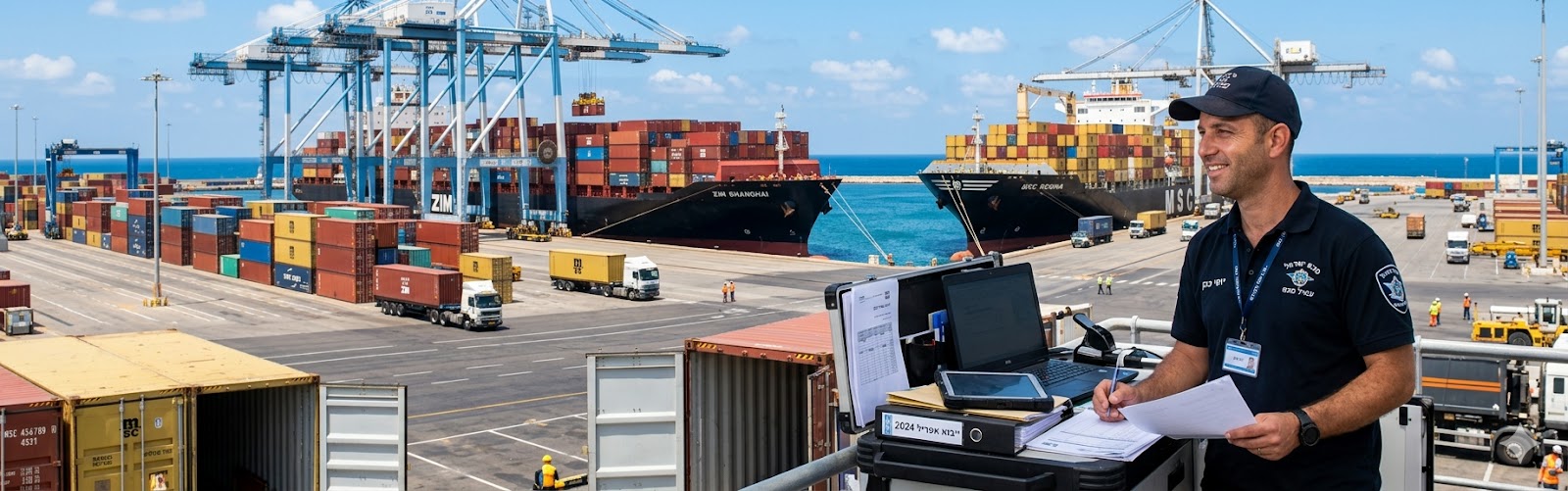
Delays typically result from missing or incorrect documentation, inaccurate tariff classification, unresolved regulatory requirements, or congestion at ports. In some cases, customs authorities select shipments for inspection.
Most delays can be avoided through advance planning, document verification, and professional customs clearance management before the shipment arrives.
How Are International Shipping Costs Calculated?
Shipping costs consist of multiple components: freight charges, port and terminal fees, handling charges, insurance, and sometimes storage. In addition, import taxes such as customs duties, purchase tax, and VAT must be considered.
Understanding total shipping costs in advance allows accurate pricing and prevents unpleasant surprises after the shipment arrives.
What Is the Difference Between Sea Freight and Air Freight?
Sea freight is typically more cost-effective for large, heavy, or non-urgent shipments but requires longer transit times. Air freight is significantly faster but more expensive, making it suitable for urgent or high-value goods.
The correct choice depends on product characteristics, timelines, and budget. In some cases, a combination of methods offers the best solution.
What Are FOB and CIF and Why Do They Matter?
FOB and CIF are international trade terms (Incoterms) that define responsibility for transport, insurance, and costs.
Under FOB, responsibility transfers to the buyer at the port of origin. Under CIF, the seller covers transport and insurance to the destination port. Choosing the correct term affects cost control, risk allocation, and operational responsibility in import and export transactions.
Can Import Taxes Be Reduced Legally?
Yes. Proper planning, accurate classification, and use of trade agreements, exemptions, and preferences can significantly reduce import costs in a fully legal manner. In many cases, minor adjustments in sourcing or documentation lead to substantial savings.
What Is the Role of Insurance in International Shipping?
Cargo insurance protects against loss, damage, or theft during transport. Responsibility for insurance depends on the agreed Incoterms, so it is essential to verify coverage before shipment.
Skipping insurance may appear to reduce costs, but a single incident can result in losses far exceeding the premium.
How Can You Know If a Product Requires Special Approval or Standards?
Many products require approval from standards institutes, health authorities, or government ministries. Early verification prevents delays and additional expenses.
A professional international logistics provider or customs broker can identify these requirements in advance and ensure proper preparation.
Can Shipments Be Tracked in Real Time?
Today, most shipping providers offer advanced tracking systems. Real-time tracking improves planning, inventory management, and customer communication throughout the supply chain.
Why Work With One Provider for Both Shipping and Customs Brokerage?
Using a single provider for both shipping and customs brokerage improves coordination, reduces errors, and saves time. Instead of managing multiple service providers, businesses benefit from one point of responsibility overseeing the entire process end to end.
Conclusion
International shipping and customs brokerage are not merely technical functions—they are strategic components of successful international trade. Understanding the process, asking the right questions, and working with experienced professionals enables cost savings, faster delivery, and reduced risk. In global trade, knowledge is not an expense—it is an investment.
Commercial imports generally require a licensed customs broker. Personal shipments may also require one depending on value and product type.
Shipping focuses on transporting goods, while customs brokerage handles regulatory clearance, taxes, and compliance with customs authorities.
Common reasons include missing documents, incorrect tariff classification, regulatory approvals, or port congestion.
Tariff classification determines applicable duties, taxes, and regulations. Errors can lead to overpayment, delays, or penalties.
Costs include freight, port fees, handling charges, insurance, storage if applicable, and import taxes such as duties and VAT.
Sea freight is usually cheaper for large or heavy shipments, while air freight is faster but more expensive.
They are Incoterms defining responsibility for transportation, insurance, and costs between buyer and seller.
Yes. Proper classification, trade agreements, and legal exemptions can significantly reduce import costs.
Insurance is not always mandatory, but it is strongly recommended to protect against loss or damage.
Using a single provider improves coordination, reduces errors, and creates a smoother end-to-end logistics process.