



In the coming decade, Israel is expected to expand its free trade agreements with key global partners, reduce tariffs on hundreds of product categories, and reshape its import and export landscape. For importers, exporters, customs brokers, and shipping companies – this presents a significant business opportunity, but also an operational and legal challenge requiring early preparation.
Introduction
The economic landscape of 2025 is characterized by rapid change, with a clear trend toward opening markets and removing barriers in international trade. The Israeli government is currently negotiating with several countries and economic blocs to sign Free Trade Agreements (FTA)[1], aiming to broaden the business opportunities of the Israeli economy.
These agreements typically include tariff reductions, quota removals, standard harmonization, and the establishment of rules of origin[2] that enable competitive pricing for markets.
In this article, we will examine the expected agreement map, their impact on the shipping, customs brokerage, and logistics sectors, the opportunities and risks involved, and offer practical steps for businesses.
The Expected Agreement Map
Review of Existing Agreements
Currently, Israel has FTAs with several key partners:
United States – Full free trade agreement, eliminating tariffs on most goods.
European Union – Preferred access to a market of over 450 million consumers.
EFTA countries – Switzerland, Norway, Iceland, and Liechtenstein.
Canada, South Korea, UAE – Relatively new agreements expanding import/export options.
FTAs Currently Under Negotiation
India – Tariff reductions on electronics, textiles, and food products.
Japan – Broad agreement covering the automotive and medical equipment industries.
Australia & New Zealand – Focus on agriculture, technology, and food products.
African countries – Opening markets for Israeli technology products and lowering tariffs on agricultural goods.
Impact on the Shipping Sector
Adjusting Transport Routes
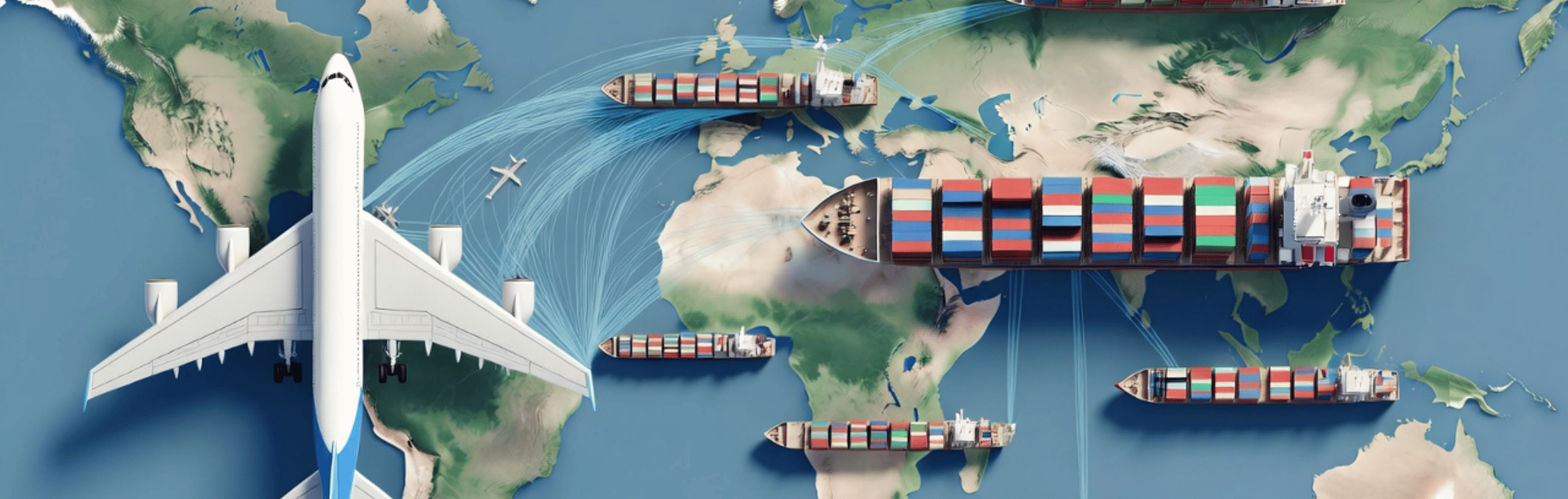
Lower tariffs may shift the cost-effectiveness of sea freight versus air freight. High-value, low-weight goods that were previously shipped by sea to save costs may switch to air transport thanks to customs savings.
Increasing Work Volumes
Entry into new markets is expected to increase cargo volumes. Shipping companies that identify trends early will be able to secure contracts with ocean carriers and airlines, ensuring container and freight availability.
Technological Integration
The implementation of new FTAs is often accompanied by requirements for full digital reporting. Shipping companies that integrate Track & Trace[3] systems with national customs systems will gain a competitive advantage.
Impact on Customs Brokerage
Updating Commodity Classification
FTAs often change HS Codes (Harmonized System) for certain goods. Customs brokers will need to understand these changes to avoid incorrect tariff charges.
New Documentation Requirements
Different rules of origin may require presenting a certificate of origin or importer’s declaration. In some cases, the removal of mandatory documentation will significantly shorten the clearance process.
Workforce Training
Implementing the changes will require training customs brokers and logistics teams, including updating procedures and IT systems.
Opportunities for Businesses
Reduced import costs – Tariff reductions will lower prices and allow for a wider product range.
Access to new markets – Especially in countries with demand for Israeli technology.
Regional cooperation – Partnerships with shipping companies in destination countries to improve service speed and reliability.
Green branding – Some agreements include sustainability clauses that can support environmental branding.
Risks and Challenges
Uncertainty during transition periods – Changing tariffs create market confusion.
Customs congestion – Tariff change periods can cause heavy workloads and delays.
Information gaps – Small businesses may fail to understand new entitlements.
Stricter quality requirements – Some agreements include higher standards requiring production adjustments.
Table – Comparative Overview
| Country / Agreement | Current Status | Expected Change | Impact on Shipping |
|---|---|---|---|
| India | Avg. tariffs 12% | Drop to 5% on tech & electronics | Increase in imports of computing parts |
| Japan | No full FTA | Market opening for vehicles & medical gear | Growth in vehicle & spare parts shipping |
| Australia | High tariffs on food | Gradual drop to 0% for food & wine | Growth in food & beverage exports |
| African countries | High, varied tariffs | Drop to 0–5% on agriculture & tech | New export markets for Israeli firms |
Summary
The upcoming agreements are more than a technical tariff change – they’re a new roadmap for Israeli businesses. Those who start preparing now – by reviewing product categories, updating shipping contracts, and training teams – will be able to seize opportunities and avoid pitfalls during the transition. Success in this area combines regulatory knowledge, logistical understanding, and the ability to react quickly to changes.