






תקציר
Yet despite this understanding, many businesses continue to suffer losses of tens or even hundreds of thousands of shekels due to simple errors: storage mistakes, poor packaging, or mismatched transportation methods.In this article, we’ll review the most common mistakes in storage and transportation, share real-life examples of damaged goods, and explain how a small, smart investment can prevent huge losses and ensure long-term operational stability. Storage mistakes of this kind lead to spoiled goods, lost shelf life, or delayed deliveries.Take, for instance, a cosmetics importer…
Introduction: Why Proper Storage Isn’t a Luxury, But a Necessity
Every business that handles goods – whether an agricultural exporter, a tech importer, or a cosmetics manufacturer – knows that the most critical stage after production is goods storage. Yet despite this understanding, many businesses continue to suffer losses of tens or even hundreds of thousands of shekels due to simple errors: storage mistakes, poor packaging, or mismatched transportation methods.
In this article, we’ll review the most common mistakes in storage and transportation, share real-life examples of damaged goods, and explain how a small, smart investment can prevent huge losses and ensure long-term operational stability.
Inadequate Packaging – The Fast Track to Damaged Goods
One of the most common mistakes is using generic packaging that isn’t tailored to the size, weight, or nature of the goods. Delicate products are packed in thin cardboard without padding, glass bottles lack sufficient separation, and electronics are shipped without anti-static protection. The result? Broken, fried, or non-compliant products.
For example, an Israeli wine exporter shipped dozens of cases to a luxury event in Europe. Because of weak cardboard and hot weather affecting the glue, some bottles broke during transportation. The damage exceeded 40,000 NIS – a loss that could have been prevented with packaging that cost less than 1 shekel per bottle.
Choosing the Wrong Warehouse – Not All Storage Spaces Are Equal
Some businesses choose a warehouse based only on price, without checking critical criteria like climate control, truck access, safety systems, or proper licenses. Storage mistakes of this kind lead to spoiled goods, lost shelf life, or delayed deliveries.
Take, for instance, a cosmetics importer who chose a low-cost warehouse without humidity control. Two months later, customer complaints about altered cream textures surfaced. An inspection revealed the products had reacted to high humidity. The cost: destruction of 80,000 NIS worth of stock and termination of a major distributor relationship.
Uncontrolled Transport – The Damage Starts on the Road
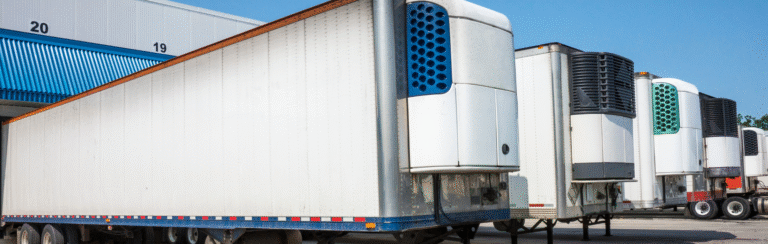
Transporting goods under unsuitable conditions is the root of many failures. For example, moving food in the summer inside a non-refrigerated truck causes spoilage, even if the route is short. Many companies make this mistake assuming “a short ride won’t hurt.”
An Israeli cherry tomato exporter lost an entire shipment to Europe because the produce was loaded onto a non-refrigerated truck. A port delay of 48 hours due to an operational glitch caused the temperature to rise, making the shipment unusable.
Lack of Labeling and Inventory Tracking – One Sticker Can Save a Shipment
Companies that don’t invest in clear labeling (barcodes, batch numbers, production dates, transport conditions) risk losing inventory control. Storage mistakes occur when goods are not properly sorted, there’s no separation by product type, or no handling instructions are documented.
A company that stored both cleaning powders and food-grade powders in the same warehouse once mistakenly shipped a cleaning powder to a food factory. Luckily, it was caught in time. Still, the result was a costly recall, reputational damage, and legal exposure.
Inadequate Insurance Coverage – When Everything Is Lost
Some businesses skip cargo or warehouse insurance, assuming “everything will be fine.” But even a rare event – like a short circuit, fire, or break-in – can destroy hundreds of thousands of shekels worth of goods. Without the right coverage, businesses may collapse financially.
A toy company lost all its inventory before Hanukkah due to a warehouse fire. Their policy didn’t cover third-party storage facilities – so the loss came straight out of pocket, and they couldn’t replenish inventory in time.
Poor Inventory Planning – Overstocking or Running Dry
Some businesses don’t calculate warehouse capacity based on package types or physical access. Ordering excess stock without sufficient space leads to crowding, physical damage, and inventory management issues. Storage mistakes like this can become chronic.
Another example: a medical device company overestimated demand and ordered rare products in bulk. The items sat in the warehouse for over a year and expired. The entire batch was discarded, causing a double loss: wasted investment and storage space.
Transferring Responsibility – Don’t Rely Blindly on Suppliers
Many businesses rely entirely on suppliers or shippers without ensuring they follow documented procedures, hold insurance, or provide proof of delivery. When something goes wrong, they often find out there’s no coverage, no documentation, and no one to blame.
An apparel importer relied on a local shipper to move merchandise between warehouses. The driver deviated from the route, and the vehicle was stolen. The supplier’s insurance didn’t apply due to contractual violations. The lesson: always confirm who’s responsible – and under what terms.
Poor Packaging Workflow – Time Costs More Than Money
A disorganized packaging process delays shipping. When there’s no clear flow from picking to packing, or no proper equipment (like stretch wrapping or strapping machines), delays and mistakes follow.
A food factory lost a key client due to repeated delivery errors. The issue: verbal packaging instructions, no printed guidelines, and no marking of pre-packed goods. A 15,000 NIS investment in automation could’ve prevented dozens of such incidents.
Summary Table: Storage Mistakes, Common Damages, and Prevention Tips
| Common Mistake | Typical Damage | How to Prevent |
|---|---|---|
| Poor packaging | Breakage, leakage, spoilage | Use proper materials, padding, and labeling |
| Wrong warehouse | Product degradation | Inspect facilities, verify licensing |
| Uncontrolled transport | Spoiled or damaged items | Use suitable vehicles, monitor conditions |
| Lack of labeling | Misdelivery, confusion | Use barcodes, batch tracking, WMS systems |
| No insurance | Business collapse | Get proper policies for all storage types |
| Bad inventory planning | Wasted stock, space loss | Forecast demand, plan space accordingly |
| Unclear responsibility | Lost goods, legal disputes | Define roles in contracts |
| Delayed packing | Late delivery, customer churn | Streamline workflow, staff training |
Conclusion: Smart Planning Prevents Expensive Mistakes
Storage and transportation errors aren’t inevitable. Most can be prevented through careful planning, basic technology, and tight operational control. Businesses that implement clear protocols, use the right equipment, and vet their service providers gain a serious edge in today’s competitive market.
A small investment in proper packaging and storage saves massive expenses in the long run – and ensures smooth operations, satisfied customers, and business continuity.