
תקציר
Based on this data, the appropriate container is selected. Once the container is loaded, it is transported to the departure port. The sea transportation phase begins when the container is loaded onto the ship.
Introduction
Container shipping is a crucial and essential part of international trade, and it is the most common method for transporting goods between countries. This is a complex process that requires an understanding of various logistical, technical, and legal factors. In this article, we will explore the process of container shipping step by step, understand the different types of containers, the factors that affect route selection, and the potential challenges within the process.
Types of Containers
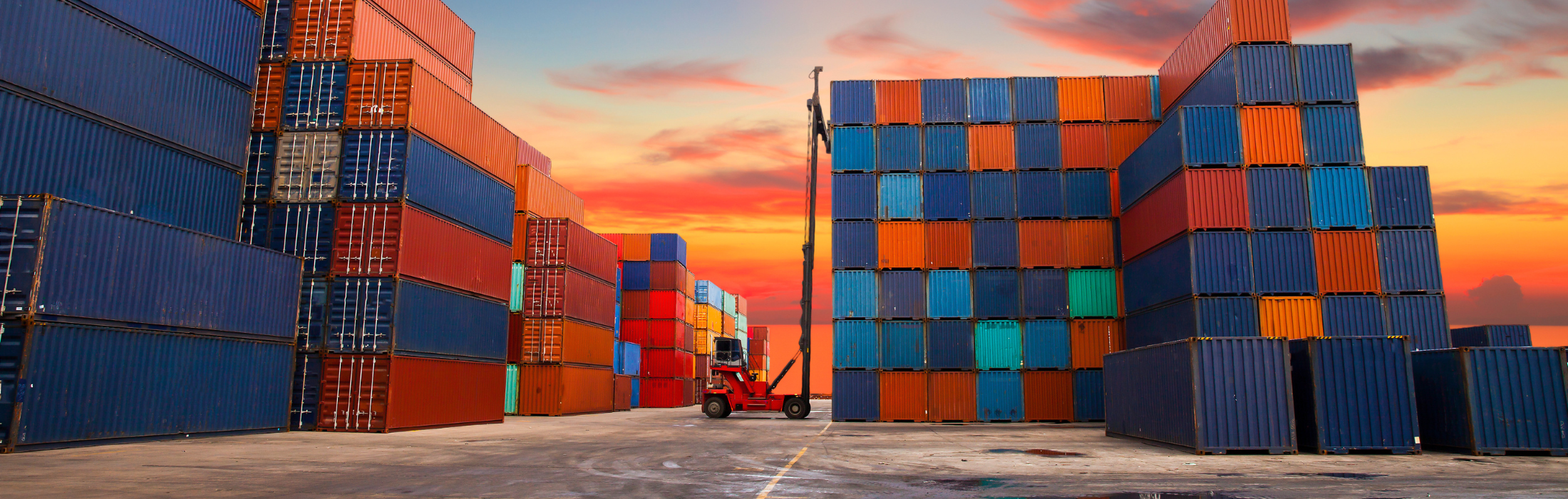
There are several types of containers suitable for different kinds of goods. The correct choice of container depends on the nature of the goods being shipped:
Standard Containers (Dry Containers): The most common type, used for transporting dry goods such as industrial products, textiles, electronics, and more.
Refrigerated Containers (Reefer Containers): Designed for transporting goods that require temperature control, such as food, pharmaceuticals, and chemicals.
Open-Top Containers: Used for transporting goods that are too tall or heavy to fit into standard containers.
Flat Rack Containers: Intended for transporting wide or particularly heavy goods, such as heavy machinery or vehicles.
The Shipping Process
1. Preparation and Booking
Before shipping begins, the shipper needs to determine the type of goods, the destination, and the volume intended for shipment. Based on this data, the appropriate container is selected. Afterward, a contract is made with a shipping company that specializes in these services, and they begin planning the logistical route.
2. Choosing the Right Container
Depending on the type of goods and their transportation requirements (e.g., refrigeration or special protection), the appropriate type of container is chosen.
3. Packing and Loading
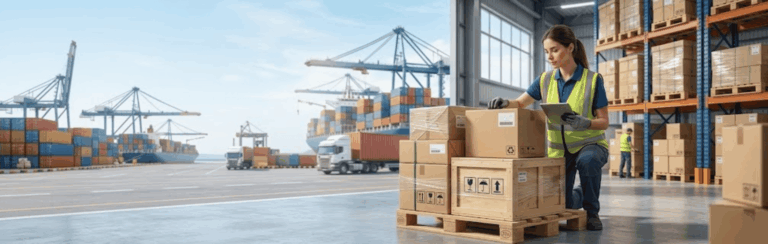
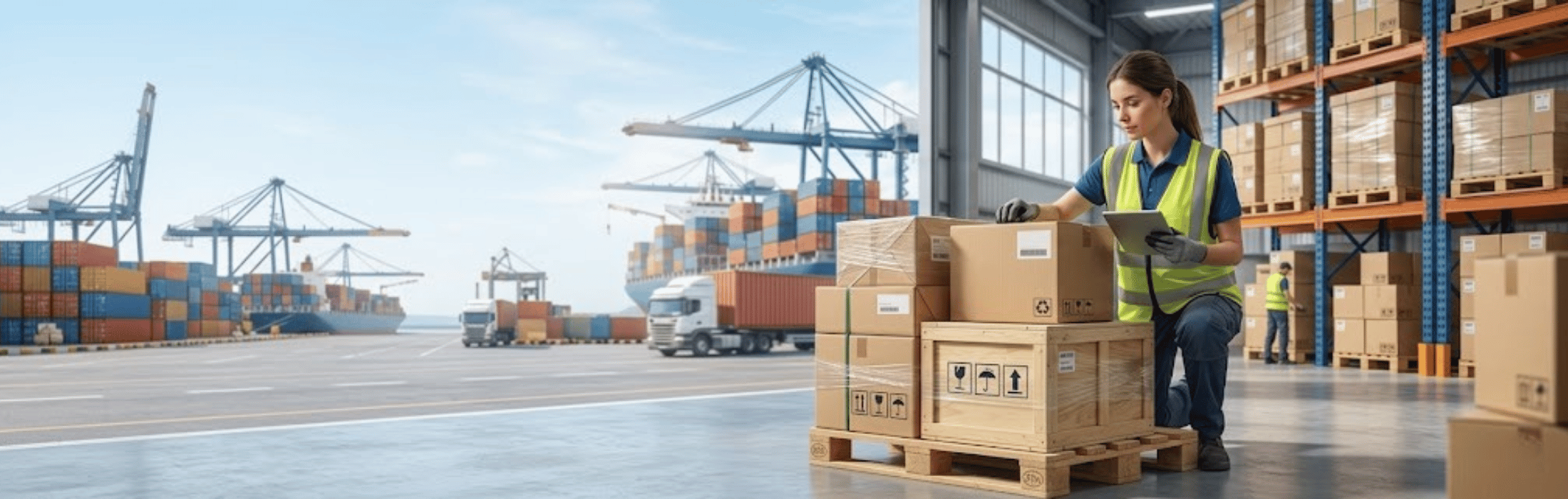
The goods are packed and secured inside the container to ensure they are protected from damage during transit. It is important to pack the container properly to prevent movement of goods during transportation. The container can be loaded directly from the factory or from the customer’s warehouse.
4. Transportation to the Port
Once the container is loaded, it is transported to the departure port. This process may involve a combination of land and sea or air transport, depending on the final destination.
5. Customs Handling
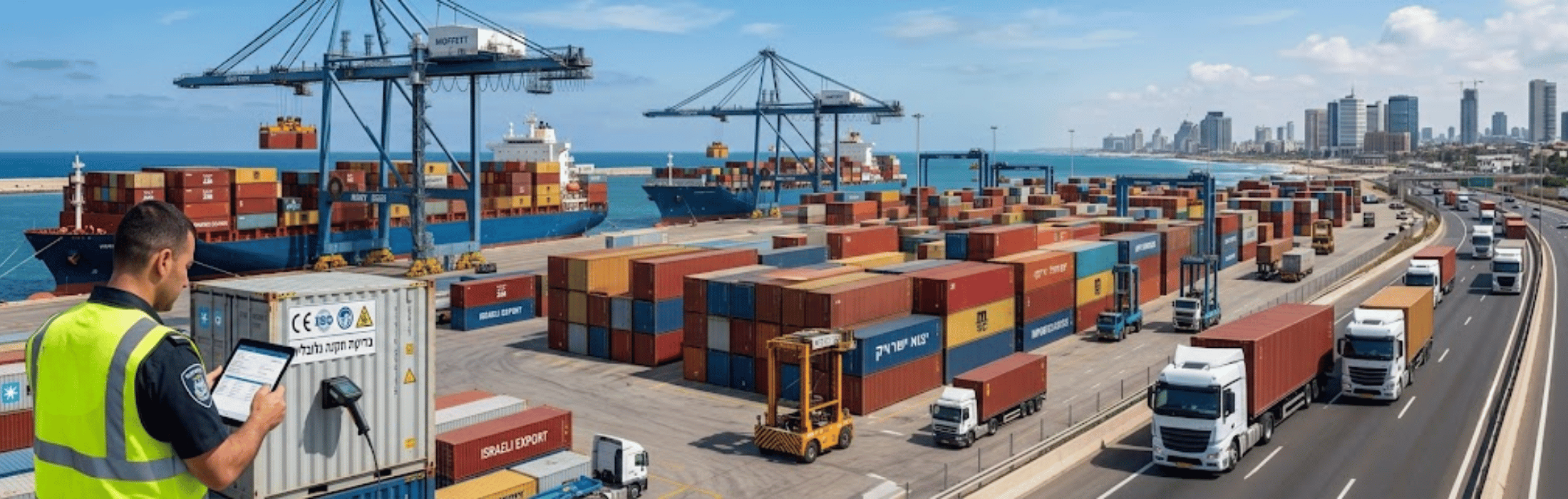
Before the container can begin its journey, customs processes need to be addressed. This involves submitting appropriate documents such as invoices, import or export declarations, and paying relevant taxes and fees. Faulty customs processing can result in significant delays in shipping.
6. Sea Transportation
The sea transportation phase begins when the container is loaded onto the ship. During the sea voyage, the goods may pass through several ports until they reach the final destination. Shipping time can vary depending on the distance, weather, and sea conditions.
7. Customs Clearance at the Destination Port
When the container arrives at the destination port, it must clear local customs. This is a critical step, and it is essential to ensure that all documents are submitted correctly and that the goods comply with local standards.
8. Final Transportation
After clearing customs, the container is transported to the final customer using land or air transport, as needed. This process completes the shipping cycle when the container reaches its final destination.
Challenges in the Shipping Process
Container shipping can be complicated and sometimes involve challenges such as port delays, damage to goods, regulatory issues, or poor coordination among various actors in the supply chain. Early planning, choosing the right logistics partners, and following regulations can help reduce these risks.
Conclusion
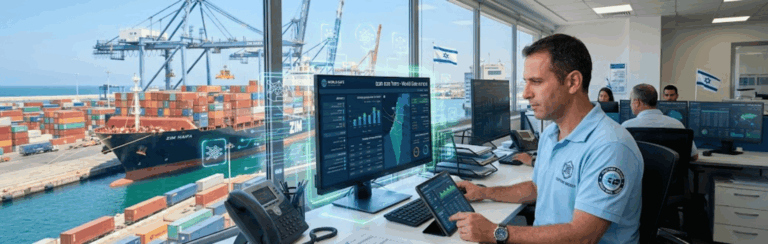
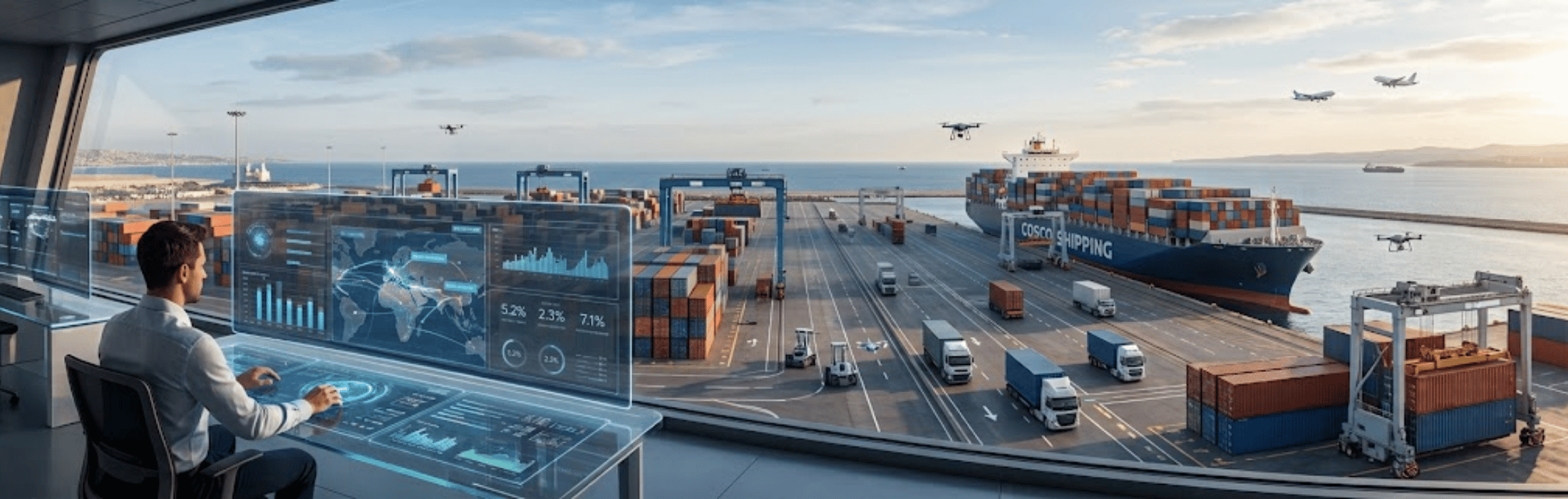
Container shipping is a complex but essential process in international trade, involving several critical steps. From building the right shipping strategy to packing, customs handling, and transportation, every step of the process requires care and coordination to ensure the goods arrive at their destination smoothly and safely. Emerging technologies and digital solutions are helping to streamline shipping processes and improve oversight, making the global market more accessible to businesses of all sizes.