





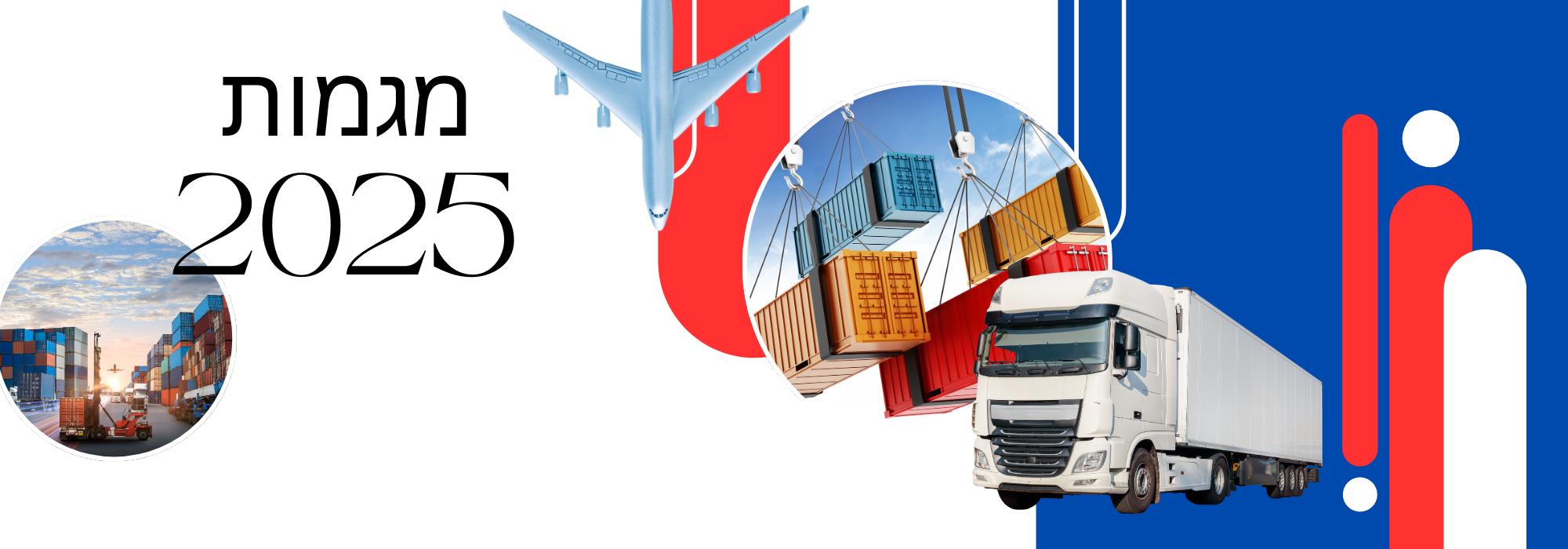
New Trends in Import, Export, Customs Clearance 2025

New articles
archives
January 2026
S M T W T F S
 123
45678910
11121314151617
18192021222324
25262728293031

New Trends in Import, Export, Customs Clearance 2025

Below is a current overview of the trends and news affecting the fields of import, export, customs brokerage, and international shipping, with a look towards 2025:

1. International Shipping: Technology and Environmental Sustainability

  • Accelerated Digitalization:

    • Increased use of blockchain for shipment tracking and fraud prevention (e.g., platforms like TradeLens).

    • IoT (Internet of Things) and smart sensors for real-time monitoring of temperature, humidity, and location, especially for sensitive cargo (e.g., pharmaceuticals or food).

    • Automated documentation using artificial intelligence (AI) to reduce paperwork errors.

  • Sustainability:

    • Stricter regulations to reduce carbon emissions:

      • IMO 2023/2025: Limits on sulfur and nitrogen emissions from ships, with plans to cut CO₂ emissions by 40% by 2030.

      • Transition to green fuels (ammonia, hydrogen, synthetic fuels) and electric vessels.

    • Logistics companies investing in net-zero emissions through carbon offsets and localized supply chains.

  • Supply Chain Flexibility:

    • Growth of nearshoring (relocating production to nearby countries) and friendshoring (focusing on allied nations) due to geopolitical tensions (e.g., U.S.-China trade disputes).

    • Expansion of hub-and-spoke storage facilities to reduce reliance on central ports.

2. Customs Brokerage: Automation and Global Compliance

  • Shift to Digital Systems:

    • Implementation of AI systems for automatic data validation (e.g., goods classification, duty calculation).

    • Platforms like Single Window for centralized document submission to authorities (e.g., the EU’s ICS2 for enhanced security).

  • International Standards:

    • Updates to INCOTERMS 2025, expected to include adjustments for climate and cyber risks.

    • Growing emphasis on ESG (Environmental, Social, Governance) in import/export processes, including carbon footprint reporting.

  • Geopolitical Risks:

    • Complex sanctions (e.g., against Russia and Iran) requiring constant updates to restricted entity lists.

    • Increased enforcement against money laundering in global trade (e.g., FATF regulations).

3. Import/Export: Global Trade Trends

  • New Trade Agreements:

    • Regional pacts like RCEP (Asia-Pacific) and AfCFTA (Africa) expected to boost intra-regional trade by 25% by 2025.

    • Green trade deals (e.g., EU-CBAM – Carbon Border Adjustment Mechanism) impacting carbon-intensive imports into Europe.

  • E-Commerce Growth:

    • Surge in airmail and B2C (Business-to-Consumer) shipments via platforms like Amazon Global and Shopify.

    • Countries raising de minimis thresholds for small packages (e.g., Israel increased its threshold to $75 in 2023).

  • Cost Challenges:

    • Rising air and sea freight costs due to energy crises and labor shortages.

    • Protectionist tariffs in countries like India and the U.S. to shield domestic industries.

4. Projected Trends Toward 2025

  • Breakthrough Technologies:

    • Autonomous shipping: Crewless vessels (e.g., Rolls-Royce prototypes) and self-driving vehicles in port complexes.

    • Virtual customs: Big data and AI-powered risk assessment for cargo screening.

  • Shift to a Circular Economy:

    • Growing demand for reverse logistics (recycling and international waste management) as a requirement for entering European markets.

    • Adoption of biodegradable packaging to comply with regulations like the EU Plastic Tax.

  • Crisis Management:

    • Investment in resilience through AI-driven risk management systems.

    • Supplier diversification and 3D printing to shorten long supply chains.

Strategic Recommendations for Businesses by 2025

  1. Digital Adoption: Invest in trade management systems (TMS) and process automation.

  2. Sustainability: Align products and logistics with ESG standards to avoid sanctions and market exclusion.

  3. Geographic Diversification: Explore manufacturing and trade in countries with favorable trade agreements (e.g., Vietnam or Morocco).

  4. Employee Training: Build teams skilled in emerging technologies (e.g., data analytics and international compliance).

In summary, the industry is poised for dramatic transformation, prioritizing speed, transparency, and sustainability. Companies that adapt proactively will lead the market.

More on the subject...

https://www.unitedxp.co.il/wp-content/uploads/2026/01/שילוח-אווירי-מול-שילוח-ימי-–-איך-בוחרים-נכון-ב-2026.png
Air Freight vs. Sea Freight – How to Choose the Right Option in 2026?

Introduction In 2026, choosing between air freight and sea freight is no longer a simple pricing decision. It is a strategic choice that directly affects cash flow, customer commitments, regulatory exposure,...

https://www.unitedxp.co.il/wp-content/uploads/2025/12/איך-עמיל-מכס-טוב-יכול-לחסוך-לעסק-כסף-וזמן.png
How a Skilled Customs Broker Can Save Your Business Time and Money

Introduction Import and export activities are a major growth engine for many businesses, but they are also among the most complex and risk-sensitive operational areas. Minor documentation errors, incorrect...

https://www.unitedxp.co.il/wp-content/uploads/2025/12/שאלות-נפוצות-על-שילוח-בינלאומי-ועמילות-מכס-–-תשובות-מקצועיות-מהשטח.png
Frequently Asked Questions About International Shipping and Customs Brokerage

Introduction International shipping and customs brokerage are often perceived as technical and complex fields. In practice, they directly affect costs, delivery timelines, cash flow, and business planning....

https://www.unitedxp.co.il/wp-content/uploads/2025/12/10-שאלות-שכדאי-לשאול-את-חברת-השילוח-לפני-שבוחרים.png
10 Questions You Should Ask a Shipping Company Before Choosing One

Introduction Choosing an international shipping company is a critical business decision, even though it is sometimes treated as a purely operational matter. In practice, a shipping company has a direct...

https://www.unitedxp.co.il/wp-content/uploads/2025/11/0e6be1932431dcde3997db1f4322d9c4.webp
Israel and India Renew Free Trade Agreement Negotiations

Israel and India Renew Negotiations on Free Trade Agreement Israel and India Renew Negotiations on Free Trade Agreement During the visit of India’s Minister of Commerce and Industry, Piyush Goyal, to Israel,...

https://www.unitedxp.co.il/wp-content/uploads/2025/11/מדריך-עדכני-ליבוא-מסין-לישראל-–-עלויות-סיכונים-וטיפים-חשובים.png
Importing from China to Israel – Essential Guide

The Complete Guide to Importing from China to Israel – Costs, Risks & Practical Tips The Complete Guide to Importing from China to Israel – Costs, Risks & Practical Tips Importing from China...

https://www.unitedxp.co.il/wp-content/uploads/2025/11/מגמות-השילוח-הבינלאומי-ב-2026-–-איך-ישראלים-אמורים-להתכונן.png
Timeline – Global Logistics Trends 2024 - 2026

2026 is shaping up to be a turning point in global shipping: accelerated AI[1] adoption across the supply chain, shifts in major trade corridors, and tougher ESG[4] requirements. In parallel, Israel is...

https://www.unitedxp.co.il/wp-content/uploads/2025/11/איך-AI-משנה-את-עולם-השילוח-הבינלאומי-ב-2025.png
How AI Transformed Global Shipping in 2025 — And What It Means for Importers in 2026

The year 2025 marked a major turning point in the global shipping industry. Artificial intelligence, already reshaping marketing, finance, and HR, became a core operational engine for importers and logistics...

https://www.unitedxp.co.il/wp-content/uploads/2025/10/שינויים-בנתיבי-המסחר-העולמיים-בעקבות-חסימות-ים-סוף.png
Global Trade Route Shifts Following the Red Sea Blockages

How Israeli Shipping Companies Adapted by Rerouting Through the Cape of Good Hope Introduction Over the past few years, global trade routes have undergone one of the most dramatic transformations in modern...

https://www.unitedxp.co.il/wp-content/uploads/2025/09/עמילות-מכס-במעבר-יבשתי-–-מה-חשוב-לדעת-על-יבוא-דרך-ירדן-ומעבר-נמל-אילת.png
Customs Brokerage in Land Crossings – What You Need to Know About Imports via Jordan and Eilat Port

Introduction In global trade, most Israeli importers focus on sea or air freight. However, land-based imports – particularly through Jordan and the Port of Eilat – are becoming increasingly significant...

1 2 3 13