




Introduction
Land freight transportation is one of the most critical pillars in modern supply chain infrastructure. While sea and air freight connect countries, land transport links endpoints — from ports to warehouses, factories to retail stores, and regional distribution centers to end customers.
The demand for land transport services in Israel has grown due to the rise of e-commerce, increased import volumes, and the need for faster delivery times. However, alongside its many advantages, land transport also presents significant challenges: traffic congestion, strict regulations, poor road conditions, and hidden costs.
This article explores the benefits of land freight, outlines key challenges, provides a checklist for selecting the right transport provider, and includes a comparative table of pros and cons.
Types of Land Transport
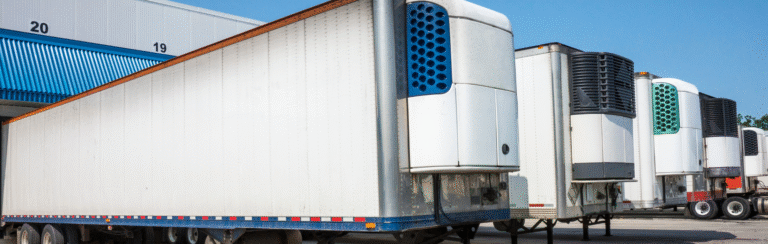
Refrigerated Trucks
Used for transporting food, pharmaceuticals, and temperature-sensitive goods. These trucks include autonomous cooling units and real-time temperature monitoring.
Semi-Trailers
Heavy-duty trucks suitable for container transportation or large-volume cargo. Commonly used for shipping from ports to importers’ warehouses.
Rail Transport
Less common in Israel, but widely used globally for cost-effective, long-distance freight.
Light Commercial Vehicles
Used for local deliveries of small parcels or distribution to businesses and private customers — popular in the courier industry.
Advantages of Land Freight
Operational Flexibility
Land transport enables direct access to specific delivery locations, including industrial zones, retail stores, warehouses, and even residential addresses.
High Availability
Freight can be organized within hours — even immediately in urgent cases — providing critical support for last-minute deals.
Competitive Costs Compared to Air Freight
Especially for short- to mid-range shipments, land freight is often more economical, particularly when using LTL (Less Than Truckload) options.
Better Control of Delivery Times
In countries with strong infrastructure, transport schedules can be extremely accurate, including overnight deliveries.
Real-Time Tracking
GPS and Transport Management Systems (TMS) allow for full visibility of cargo location at all times.
Key Challenges in Land Freight
Underdeveloped Infrastructure
In Israel, many roads suffer from congestion and maintenance issues. Traffic jams, roadworks, and accidents create unpredictable delivery times.
Regulations and Insurance
Transporting freight requires proper licenses, valid insurance, and compliance with various regulations — from hazardous materials to proper truck sealing for cold chain logistics.
Dependence on Human Factor
Driver fatigue, lack of route knowledge, and delays can harm service levels and lead to lost or damaged cargo.
Hidden Costs
Price quotes may not include wait time fees, mileage surcharges, or loading/unloading charges. Always ask for a full and transparent quote.
Cargo Limitations
Height, width, weight, and length restrictions — especially in urban areas — mean that oversized cargo requires special permits.
When Is Land Transport the Best Option?
When the destination is not accessible by port or airport
For medium- to large-sized cargo that doesn’t justify the cost of air freight
When precise delivery timing is essential — e.g., construction site logistics
For shipments requiring constant refrigeration or driver presence upon delivery
How to Choose a Land Transport Provider
Request a Valid Carrier License
Ensure the company is licensed by the Ministry of Transport.
Demand Cargo Insurance
Ensure coverage throughout the entire transport route, including loading, unloading, temporary storage, and delays.
Check Availability
Many companies offer 24/7 availability. Choose one that aligns with your business’s operational pace.
Review Monitoring Systems
Advanced companies use TMS or GPS systems that provide real-time updates on cargo location.
Compare at Least Three Quotes
Don’t focus on price alone — consider service levels, added features, and emergency responsiveness.
Table: Pros and Cons of Land Freight
| Parameter | Advantages | Disadvantages |
|---|---|---|
| Cost | Competitive for regional deliveries | Higher than long-distance sea freight |
| Operational Flexibility | Very high – door-to-door delivery possible | Depends on traffic and driver availability |
| Availability | Immediate to within hours | May face delays during rush hours or holidays |
| Regulation | Relatively easy to comply with | Hazardous goods require special permits |
| Tracking | Real-time monitoring in most cases | Smaller carriers may lack proper systems |
| Liability | Can be insured for full cargo value | Risk of damage/loss in case of accident or error |
Summary
Land freight transportation is a vital component of every modern business’s logistics strategy. Whether for local or cross-border deliveries, it offers flexibility, availability, and responsiveness — but also requires careful planning, the right provider, and a solid understanding of legal and operational constraints.
A business that neglects its transport strategy may suffer operational disruptions, unexpected costs, and customer dissatisfaction. On the other hand, working with a professional, insured, and tech-enabled freight partner can lead to stability, cost savings, and significantly improved logistics performance.