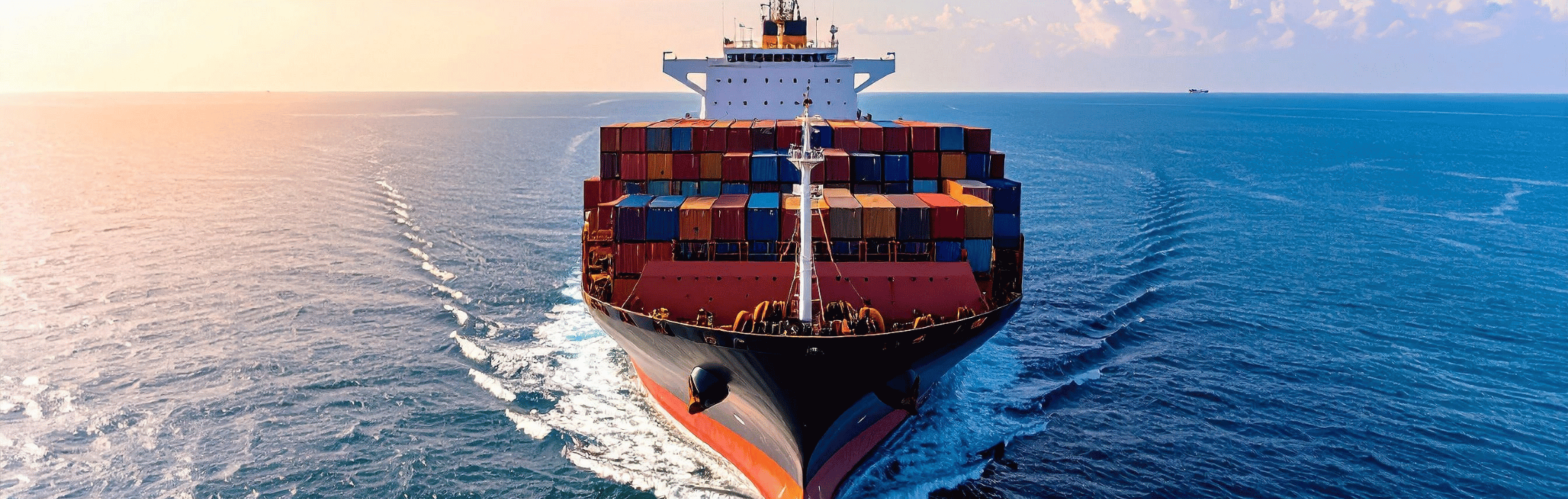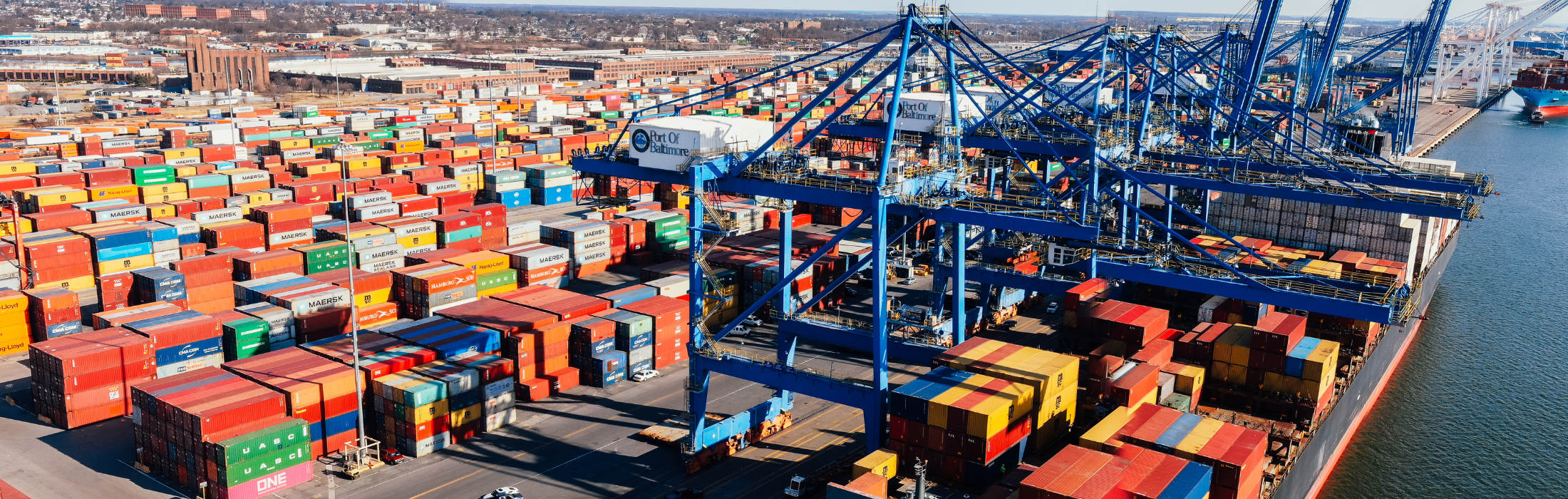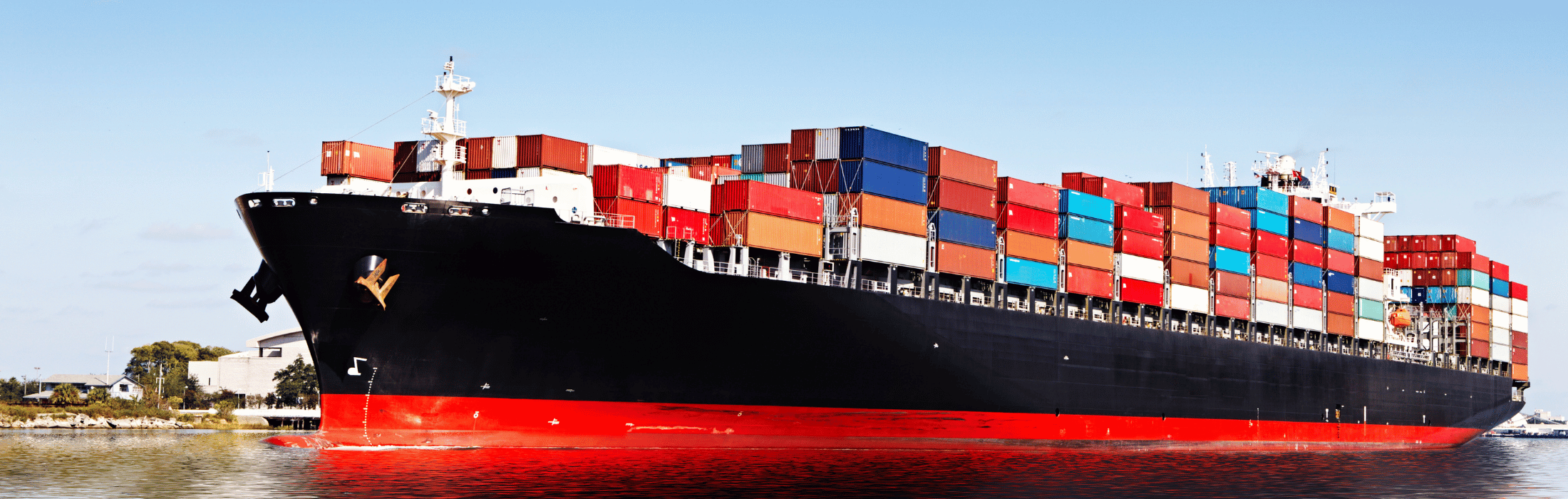


As of late March 2026, the Strait of Hormuz – the world’s most critical maritime chokepoint – has become a central arena in the ongoing war between Iran, the United States, and Israel. Iran has not declared a full official closure of the strait, but it has imposed de-facto control through a “toll booth regime” operated by the Islamic Revolutionary Guard Corps (IRGC). Maritime traffic has plummeted by 90-95%, oil prices have surged above $100 per barrel, and shipping and insurance costs have skyrocketed. What began as a strategic threat has turned into a severe global economic crisis affecting energy supplies, food security, and international supply chains.
Background: A Historic Strategic Lever Turned into a Weapon of War
The Strait of Hormuz, a narrow waterway between Iran and Oman, carries approximately 20-25% of global seaborne crude oil trade (about 15-20 million barrels per day) and roughly 20% of liquefied natural gas (LNG), along with significant volumes of fertilizers and petrochemical products. Since the 1979 Islamic Revolution, Iran has viewed the strait as its primary strategic lever. It has repeatedly threatened to close it during past confrontations (the Iran-Iraq War, the nuclear crisis), but never fully implemented a total blockade—largely because Iran itself relies on it for oil exports.
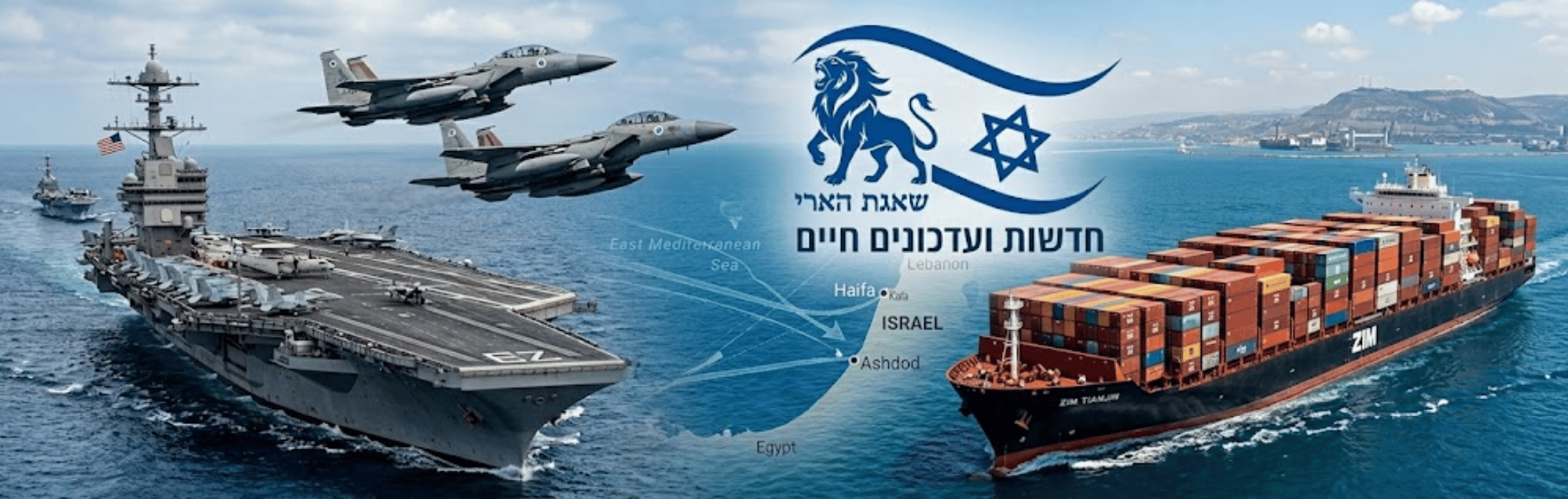
The current escalation began on February 28, 2026, with a joint U.S.-Israeli military campaign (referred to as “Roar of the Lion” or Operation Epic Fury) targeting Iranian military, nuclear, and leadership sites, including the death of Supreme Leader Ali Khamenei. Iran responded with missile and drone attacks on Israel, U.S. bases in the Gulf, and energy infrastructure in the region. Within days, the IRGC declared “full control” over the strait and threatened to destroy any “hostile” vessel.
Iranian Foreign Minister Abbas Araghchi and the new Supreme Leader Mojtaba Khamenei stated that the strait remains “open” only to “non-hostile” vessels (primarily from China, India, Pakistan, and friendly nations), but closed to ships linked to the U.S., Israel, or their allies. The IRGC has also warned of mining the waterway if Iranian shores are attacked.
Current Situation: An Iranian “Toll Booth” Instead of a Complete Seal
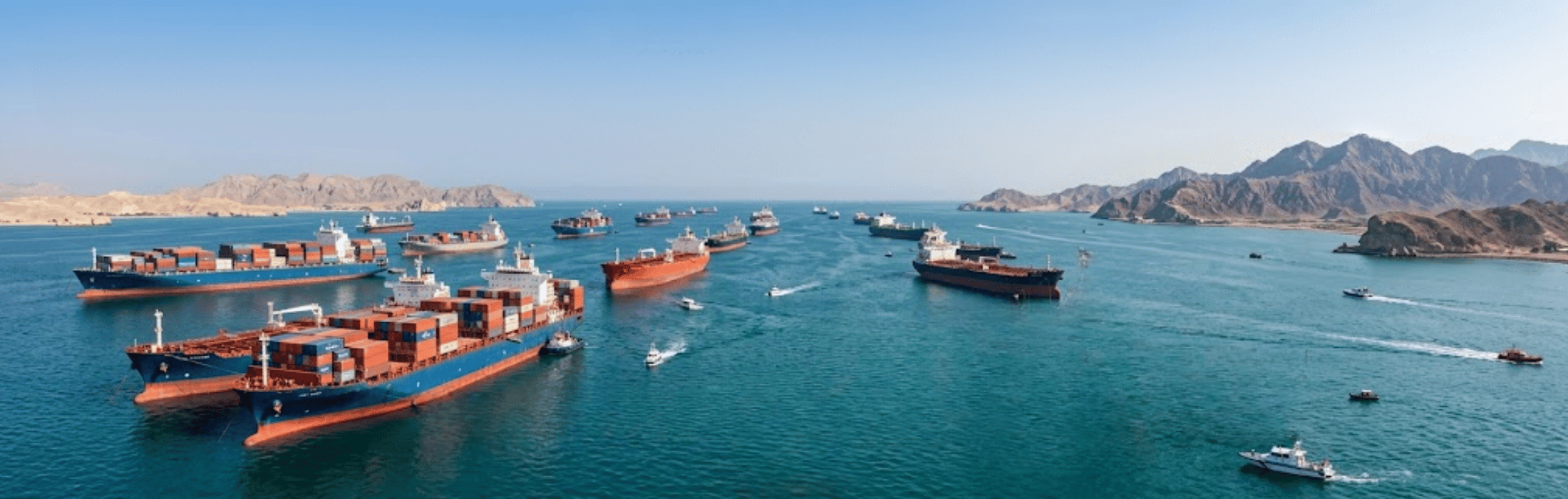
As of March 27, 2026, the strait is not officially closed (Iran sent a letter to the International Maritime Organization stating it was taking “prudent measures for maritime security”), but it operates under effective Iranian control. Lloyd’s List and shipping analysts describe it as a “toll booth regime”: vessels must submit full documentation (ownership, cargo, destination), obtain clearance codes from the IRGC, and sometimes transit under escort or pay fees (up to several million dollars, occasionally in Chinese yuan).
- Daily traffic: Down from 120-140 vessels per day pre-war to just 3-6 ships on many days. Since mid-March, only a small number of vessels (mostly linked to Iran or “friendly” states, including some from India and China) have passed.
- “Hostile” vessels: Blocked or at high risk of attack by missiles, drones, or fast boats.
- The IRGC’s naval commander, Alireza Tangsiri (whom Israel claims to have killed in strikes), was described by Israeli sources as the key figure behind the closure operation.
President Donald Trump has issued ultimatums (initially 48 hours, repeatedly extended) demanding Iran reopen the strait or face strikes on its power plants and energy infrastructure. No direct U.S. military action against the strait has been launched yet, though negotiations continue.
Economic Consequences: An Unprecedented Global Disruption
This is the most severe disruption to maritime trade since the 1970s oil crises. UNCTAD, the U.S. Energy Information Administration (EIA), and Lloyd’s List warn of cascading effects:
- Energy markets: Brent crude prices have risen over 30% (peaking above $100-126 per barrel). Exports from Gulf producers (Saudi Arabia, Iraq, Kuwait, UAE) have been sharply reduced. LNG prices in Europe and Asia have spiked. The IEA has released strategic reserves.
- Shipping and insurance: VLCC tanker charter rates have hit historic highs (up to $400,000 per day). War-risk insurance premiums have exploded; P&I clubs (Gard, Skuld, etc.) have canceled coverage or declared force majeure. Major lines such as Maersk, MSC, and Hapag-Lloyd have suspended or rerouted services.
- Broader supply chains: Severe impact on fertilizers (urea, sulfur) — the FAO warns of rising food prices and threats to food security in developing countries. Higher transportation, fuel, and production costs are fueling global inflation (estimated additional 0.6-0.7 percentage points). Analysts warn of recession risks in the U.S. and Europe (over 40% probability if prolonged).
- Global economy: UNCTAD estimates disruption to annual trade worth over $1.2 trillion. Asia (China, India) faces energy shortages; Europe sees higher gas prices. There are no realistic large-scale alternatives (pipelines are limited; routing around the Cape of Good Hope is far longer and costlier).
Iran itself is also hurt by lost oil revenues, yet it continues limited exports to China in exchange for “tolls,” turning the blockade into a powerful economic bargaining chip.
The Israeli Perspective: Limited Direct Damage, Significant Strategic Opportunity
From Israel’s viewpoint, the de-facto closure of the Strait of Hormuz is a predictable but serious Iranian response to the joint military campaign. Prime Minister Benjamin Netanyahu and Defense Minister Israel Katz have stated that “any Iranian attempt to close Hormuz will fail,” and highlighted the elimination of IRGC naval commander Tangsiri as sending a clear message regarding the strait.
Direct impact on Israel is relatively limited:
- Energy: Israel relies mainly on domestic natural gas fields (Tamar, Leviathan, Karish-Tanin) and maintains strategic reserves. Dependence on Gulf oil imports is low.
- Economy: Rising global oil prices will push up fuel costs (estimates suggest 30-80 agorot per liter increase for gasoline), contributing to higher cost of living and inflation, but the effect is milder than for highly import-dependent economies in Asia or Europe.
Long-term strategic opportunity:
- Weakening Iran: The closure damages Iran’s own economy and accelerates military and financial attrition.
- Regional cooperation: The crisis underscores the shared threat and encourages deeper ties with Gulf states (UAE, Saudi Arabia) against Iran.
- Alternative energy corridors: Israel is advancing ideas such as the India-Middle East-Europe Corridor (IMEC) or gas and oil routes through its territory, potentially positioning itself as a strategic energy hub.
Israel demands the immediate reopening of the strait under international guarantees of freedom of navigation and supports U.S. ultimatums while preserving independent operational freedom.
Conclusion: A Fluid Crisis with Escalation Risks
Iran has transformed the Strait of Hormuz from a mere geopolitical threat into a painful economic reality — a pressure tool that allows it to sustain the war while holding the world economically hostage. For the global community, it serves as a stark reminder of the vulnerability of maritime chokepoints. As of now, U.S.-Iran talks continue (with Trump extending deadlines), but without an agreement, the risk of full closure or further mutual attacks remains high.
The situation is highly fluid and changes rapidly. It is recommended to follow official reports from Reuters, AP, Lloyd’s List, UNCTAD, Israel’s Ministry of Energy, and the Institute for National Security Studies (INSS). Ultimately, the crisis demonstrates that when energy arteries are blocked, everyone loses — including Iran itself.