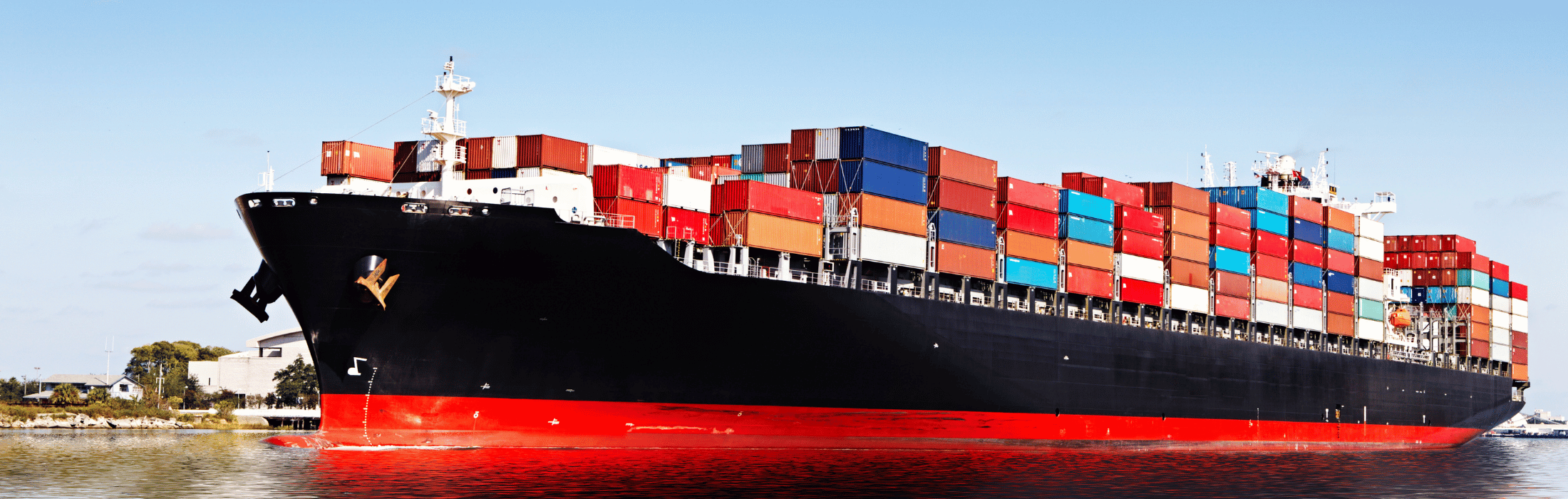




International trade plays a vital role in Israel’s economy. As a small country with limited natural resources, Israel relies heavily on imports and exports to integrate into the global marketplace and sustain ongoing growth. The Israeli economy is fueled on one hand by the export of advanced technologies—particularly in cyber, pharmaceuticals, and agri-tech—and on the other hand by imports of raw materials, energy, and essential consumer goods.
Over the years, Israel has positioned itself as a global force in innovation and high-tech, while developing strong trade ties with strategic partners in Europe, the United States, Asia, and beyond. This article explores the historical development of Israel’s foreign trade, current trends, key trade partners, advantages and disadvantages, and the challenges and opportunities ahead.
Historical Development
1948–1970: Laying the Foundations
Following its establishment, Israel’s economy was largely agricultural and dependent on foreign aid. Facing political isolation and a lack of natural resources, the country built a trade policy focused on establishing relationships with Western nations.1980–1990: Trade Agreements and High-Tech Growth
The signing of a Free Trade Agreement with the U.S. in 1985 marked a turning point. Israel shifted from traditional industries to a more technology-based economy. Immigration from the former Soviet Union in the 1990s significantly contributed to Israel’s human capital and technical expertise.2000 Onward: Globalization and Innovation
In the 21st century, Israel emerged as a global innovation leader. The rise of startups and tech services, combined with strengthened ties to Asia, transformed Israel into a highly diversified trading nation.
Current Trends
Growth in Tech Exports
Israel’s reputation as a tech powerhouse is reflected in exports of software, cyber solutions, medical equipment, and agri-tech. Global giants like Google, Intel, and Microsoft operate R&D centers in the country, boosting the local economy and strengthening its global image.Shifting Toward Asia
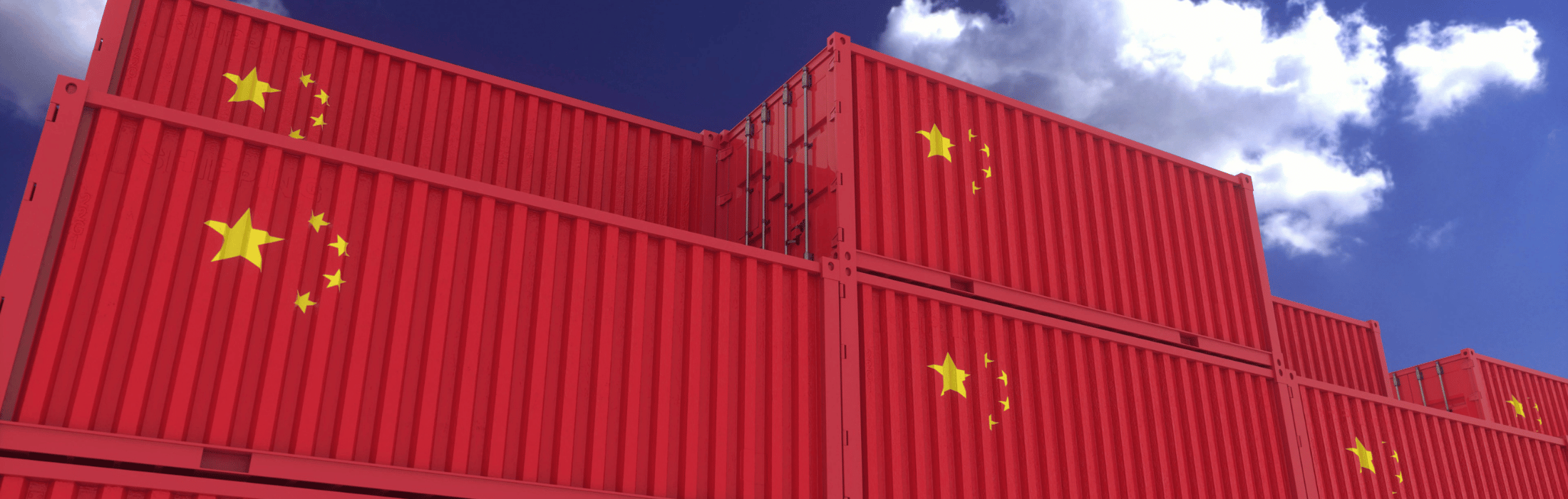
Israel has increasingly focused on expanding trade ties with Asian countries, particularly China, India, and South Korea. These economies represent significant growth markets for Israeli technology, agriculture, and defense.Ongoing Trade with the U.S. and Europe
While Asia is rising in importance, the United States and the European Union remain Israel’s main trade partners. The U.S. is Israel’s largest export market, especially for defense products, tech, and pharmaceuticals. Europe remains a key destination for chemicals, agricultural goods, and industrial products.
Key Trade Partners
United States
The U.S. is Israel’s most important trading partner, with a strong economic and strategic relationship. The 1985 Free Trade Agreement eliminated most tariffs and led to significant bilateral trade growth. American firms are also major investors in Israel’s tech sector.European Union
As Israel’s second-largest trade partner, the EU maintains close commercial ties under a mutual Association Agreement. Israel benefits from preferential access to European markets. Despite occasional political tensions, the economic relationship remains strong.Asia – China and India
China and India have become vital partners, especially in defense, technology, and agriculture. Israeli exports to China include advanced technology, agricultural tools, and chemicals, while imports consist mainly of raw materials and consumer goods. With India, security and military collaboration are especially prominent.
Advantages and Disadvantages
Advantages:
Economic Diversification: Trade reduces Israel’s dependency on any single sector or market, making the economy more resilient.
Innovation Engine: Exporting technology has positioned Israel as a leader in global innovation and attracts foreign investment.
Job Creation: International trade supports employment, particularly in high-tech, manufacturing, logistics, and services.
Disadvantages:
External Dependency: Reliance on imports for energy, food, and raw materials exposes the economy to global supply chain disruptions.
Global Competition: Israeli companies face stiff competition in international markets, especially from larger, established players.
Challenges and Opportunities Ahead
Challenges:
Rising global competition, especially in tech and agriculture.
Protectionist policies and regulations that restrict access to foreign markets.
Economic vulnerability due to heavy reliance on foreign trade.
Opportunities:
Continuous innovation opens new global markets.
Expanding free trade agreements can reduce barriers and boost exports.
Emerging markets in Africa and Latin America offer new areas for growth and cooperation.
Conclusion
International trade is a cornerstone of Israel’s economy. Historically, it has driven development and continues to serve as a key growth engine. Despite various global challenges, Israel’s strong position in technology and innovation provides many opportunities for future success. Smart government policy, diversification of trade partners, and continued investment in global collaboration will help ensure Israel’s economic resilience in the years to come.