



The Complete Guide to Importing from China to Israel – Costs, Risks & Practical Tips
Importing from China to Israel has become one of the most impactful growth engines for small businesses, trading companies, private labels, and professional importers. China offers a massive product range, competitive pricing, high production flexibility, and broad availability. However, in recent years, the import process has become more complex due to changes in regulation, shipping rate fluctuations, disruptions along sea routes, intensified customs inspections in Israel, and global economic uncertainty.
To succeed in importing from China, businesses must understand the supply chain end to end—starting with supplier selection, continuing with quality control, moving through sea or air freight, and concluding with customs clearance in Israel. This guide presents a complete, practical, and professional overview of the entire process, including essential recommendations to reduce risks and improve profitability.
The content is based on extensive experience from importers, freight forwarders, logistics companies, and customs brokers across Israel and internationally, offering clear insights for anyone planning to start or enhance their import operations from China.
Chapter 1: Supplier Selection – The Most Critical Stage
Choosing the right supplier is one of the most decisive factors in the import process. China’s market includes countless manufacturers, factories, and intermediaries, making the screening process essential.
What should you check?
- Official company registration in China (SAIC database)
- Background checks via Alibaba, Made-in-China, or third-party auditors
- Factory audit and production inspection
- Production capacity and delivery commitment
- Internal QC processes and documentation
- Reputation, stability, and long-term production capability
A reliable supplier reduces risks such as delayed shipments, defective products, failed customs inspections, and significant financial loss.
Trading companies – pros & cons
- Direct manufacturer: higher quality, less price flexibility
- Trading agency: lower prices, quality inconsistency risks
- Local suppliers with QC: strong supervision, higher cost
Chapter 2: Essential Quality Control (QC) in China
Product quality is one of the most important elements of successful importing. QC in China helps prevent defects, misalignments, and costly delays.
Recommended QC checks
- Quantity verification against the purchase order
- Visual defect inspection
- Functional testing for electrical or mechanical items
- Packaging inspection for transport durability
- Verification of certificates and compliance standards
Professional QC saves disputes with suppliers and prevents the need for returns—an extremely costly and inefficient process.
Chapter 3: Shipping Routes – Sea vs. Air
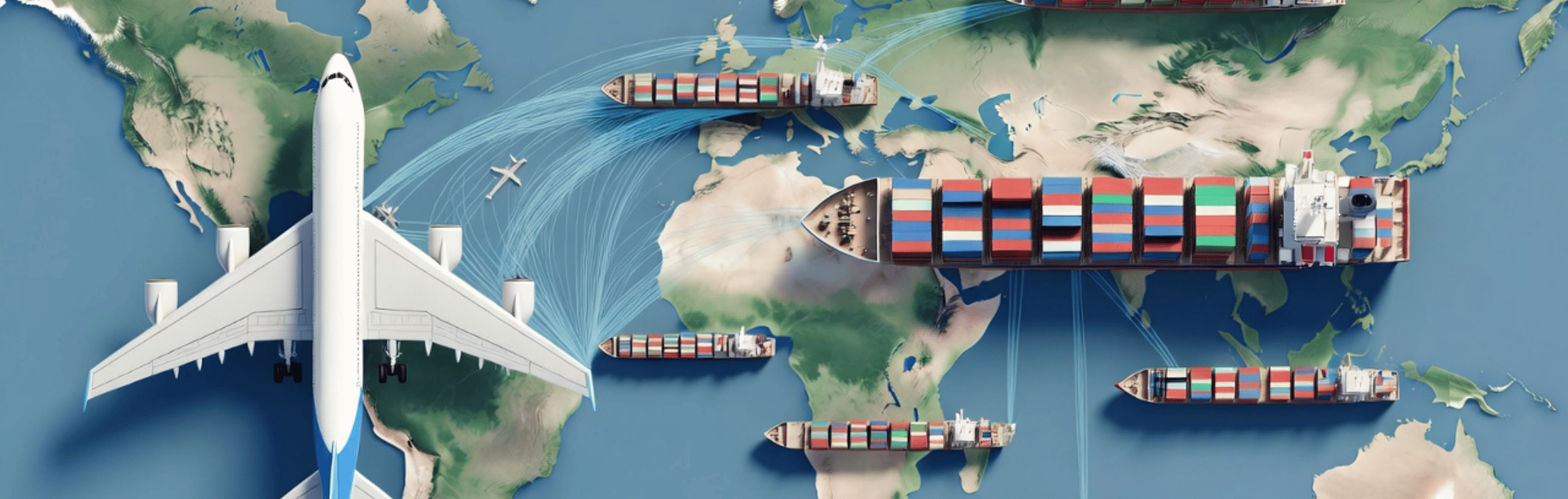
The choice between sea and air freight depends on product type, urgency, budget, and shipment volume. Global disruptions in recent years—such as Red Sea incidents and port congestion—have significantly affected transit times.
Sea freight from China
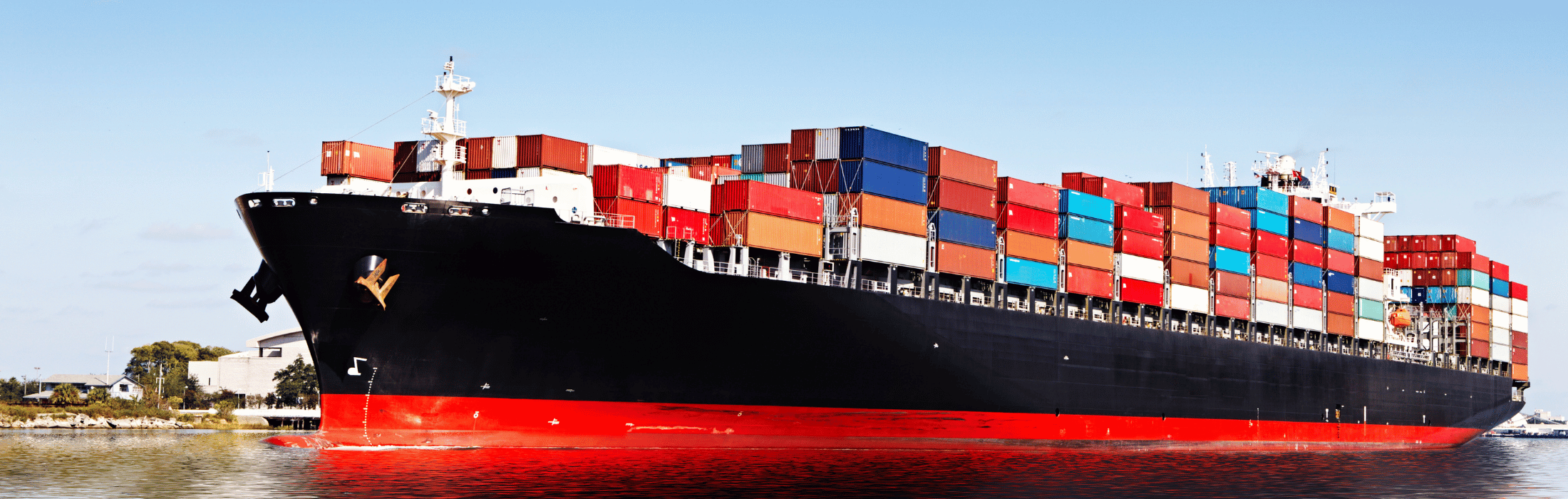
Sea freight is the most common option. It allows high-volume shipping at a lower cost using FCL or LCL containers.
- Advantages: low cost, large capacity, multiple shipping lines
- Disadvantages: long shipping times, price instability, risk of delays
Average transit time: 28–45 days, with possible additional delays during peak seasons.
Air freight from China
Air freight is suitable for urgent, high-value, or sensitive products. While expensive, it provides fast and predictable delivery.
- Advantages: speed, reliability, stable schedules
- Disadvantages: 5–10 times higher cost than sea freight
Average air transit time: 3–7 days.
Chapter 4: Documentation & Customs Clearance
Customs clearance in Israel requires accurate documentation, regulatory compliance, and professional handling by a customs broker.
Required documents
- Commercial Invoice
- Packing List
- Bill of Lading (B/L) or Air Waybill (AWB)
- Certificate of Origin (if required)
- Compliance certificates for regulated items
Incorrect documentation may cause delays, penalties, and full container inspections.
Chapter 5: Regulation & Cost Impact
Recent years have brought regulatory updates both in Israel and globally. The Israeli Ministry of Economy tightened quality checks, customs updated clearance procedures, and ports experienced heavy congestion.
Main impacts
- Higher storage costs at ports
- Additional compliance and testing requirements
- Random customs inspections
- Fluctuating global freight rates
- Demand for full documentation traceability
Table: Updated Indicators for Shipping Times & Costs
| Parameter | Current Value |
|---|---|
| Sea freight time | 28–45 days |
| Air freight time | 3–7 days |
| FCL container cost | $2,800–$5,200 |
| LCL shipping cost | $45–$85 per CBM |
| Air freight cost | $5–$11 per kg |
| Customs inspection delay | 1–5 days |
| Port storage cost | ₪80–₪200 per day |
Professional Tips for Importers
- Align expectations with suppliers in writing
- Request video proof of goods before packing
- Compare several shipping companies
- Prepare inventory in advance for peak seasons
- Check updated import regulations
- Work with an experienced customs broker
Conclusion
Importing from China can be highly profitable and stable when managed correctly. Success relies on choosing high-quality suppliers, performing proper QC, selecting the right shipping method, following regulatory requirements, and ensuring accurate customs documentation. Smart planning and understanding the market reduce risks and improve long-term profitability.