
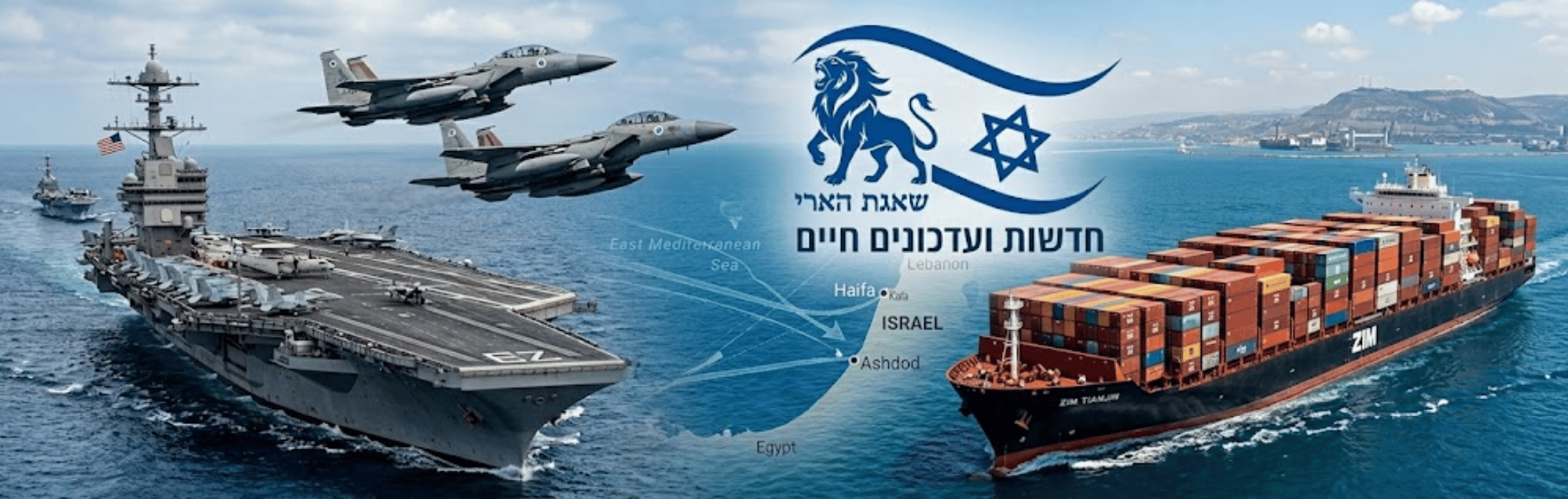




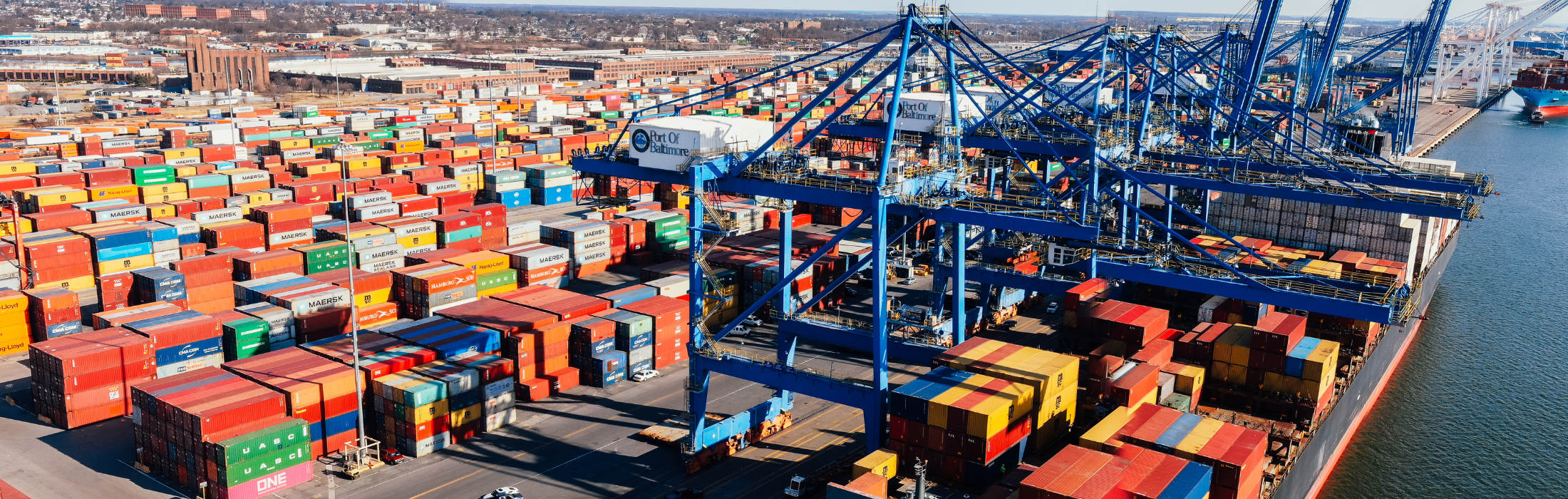
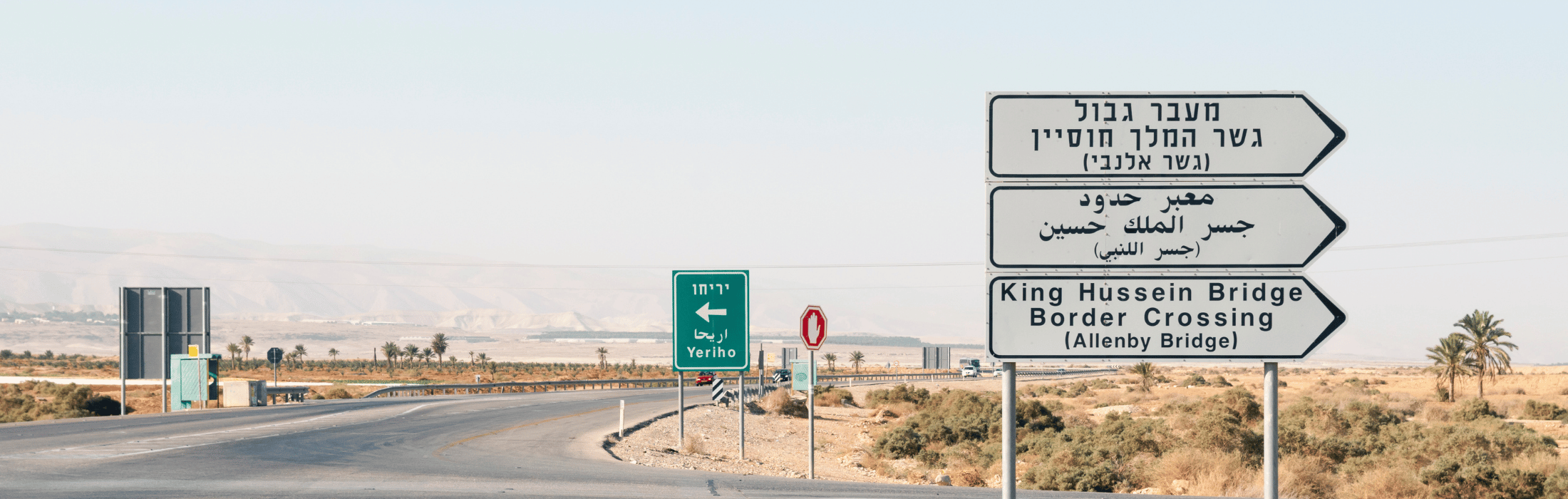
Customs Brokerage in Land Crossings – What You Need to Know About Imports via Jordan and Eilat Port

New articles
archives
December 2025
S M T W T F S
 123456
78910111213
14151617181920
21222324252627
28293031  

Customs Brokerage in Land Crossings – What You Need to Know About Imports via Jordan and Eilat Port

Introduction

In global trade, most Israeli importers focus on sea or air freight. However, land-based imports – particularly through Jordan and the Port of Eilat – are becoming increasingly significant in an era of maritime delays, high shipping costs, and the need for logistical flexibility. Combining land transportation with customs clearance requires unique knowledge, different procedures, and a deep understanding of regulations.

This article reviews the advantages, challenges, and critical points every importer should know when choosing land routes via Jordan or Eilat.

Advantages of Land Crossings

  • Shorter transit times – Land transport is often faster than shipments routed through distant seaports.

  • Cost savings – Especially for small to medium-sized shipments, trucking may be more economical.

  • Flexibility – Provides direct access to regional markets (Jordan, Saudi Arabia, Gulf states).

  • Reduced port congestion – Eilat Port is smaller and often offers quicker clearance.

Challenges and Difficulties

  1. Different border procedures – Land crossings require coordination between Israeli and Jordanian authorities, sometimes involving duplicate processes.

  2. Limited infrastructure – Unlike Haifa or Ashdod, Eilat’s capacity for large shipments is restricted.

  3. Security regulations – Security checks at land crossings are stricter and may cause delays.

  4. Additional fees and levies – Land crossings can involve higher operating costs (border fees, crossing charges).

The Role of a Customs Broker in Land Crossings

  • Coordination between authorities – A skilled broker manages communication with both Israeli Customs and Jordanian agents.

  • Accurate classification – Vital at land borders, where mistakes can halt a convoy or delay clearance.

  • Advance preparation of documents – Land bills of lading, invoices, and required permits often need to be prepared twice.

  • Cost consulting – Brokers calculate the total cost, including duties, levies, and border fees, so importers know the real bottom line.

  • Shortening clearance time – With local experience and relationships with Customs officials, brokers help avoid unnecessary delays.

Table: Sea Imports vs. Land Imports

CriterionSea Imports (Haifa/Ashdod)Land Imports (Jordan/Eilat)
Transit timeUsually longerGenerally shorter
CostsLower for very large volumesCompetitive for mid-size loads
Port congestionHighLower
Security regulationsStandardStricter
InfrastructureExtensiveLimited
Flexibility advantageLowHigh (regional connections)

Tips for Importers Using Land Crossings

  • Verify all required approvals in advance for both sides of the border.

  • Plan the logistics chain (truck → warehouse → clearance) carefully.

  • Choose a customs broker with proven land crossing experience.

  • Factor in additional crossing and inspection fees.

  • Ensure proper insurance covering border inspections and inland storage.

Professional Conclusion

Land-based routes through Jordan and Eilat offer an important alternative for Israeli importers, especially amid maritime supply chain disruptions. Yet, these routes present unique challenges requiring knowledge, experience, and careful coordination. A professional customs broker is critical to ensuring smooth clearance, preventing costly mistakes, and minimizing delays.

For importers seeking flexibility and regional market access, combining land transportation with customs brokerage is a smart strategic move.
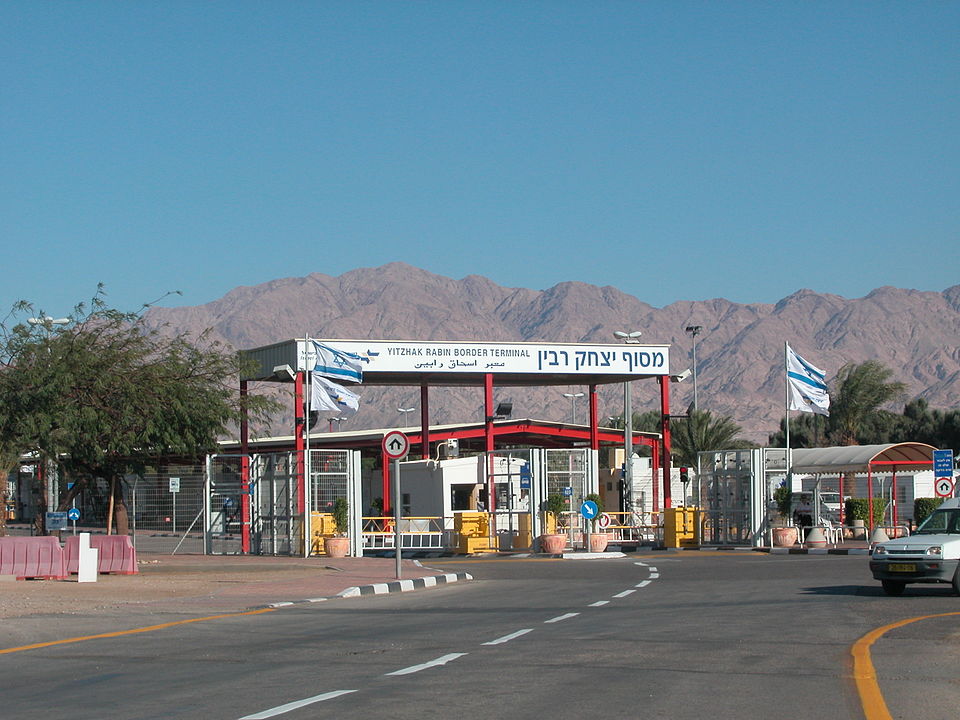
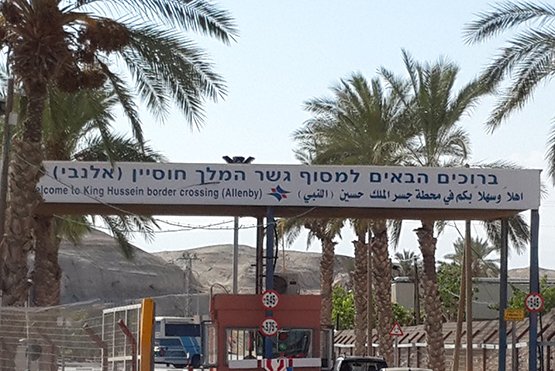
Eilat Port
Allenby Terminal

Questions & Answers

Which documents are required for land imports via Jordan or Eilat Port?
Typically: commercial/pro forma invoice, packing list, land/sea transport document, required regulatory approvals, and importer’s declaration. For transit shipments, a dedicated transit certificate may also be required depending on the route.
How does a customs broker shorten clearance at a land border?
By pre-submission in the “Global Gate” system, coordinating with a local agent on the Jordanian side, checking classification and duties in advance, and scheduling inspections to minimize storage and waiting time at the border.
What’s the operational difference between sea and land imports?
Land imports involve more touchpoints (border crossing, security checks, inland warehouses) and sometimes duplicate paperwork. The advantage is shorter transit times and regional flexibility; the drawback is limited infrastructure and extra crossing fees.
What additional costs are typical in land crossings?
Border crossing fees, security inspections, dual trucking services, inland storage fees, and in some cases dedicated border surcharges. A customs broker calculates the full picture in advance to prevent surprises.
Are different permits required by Israel and Jordan?
Sometimes yes. Importers must verify the regulatory requirements on both sides (e.g., standards, health, agriculture). A customs broker coordinates the documents to ensure they match and prevent delays.
How can delays in yellow/red channels at the border be reduced?
By complete and accurate submission in advance, correct classification, attaching all approvals, and immediate responses to Customs. Pre-scheduled inspections and preparing goods for physical checks shorten clearance times.
How is combined logistics (sea/land) planned via Eilat?
Booking a discharge window at Eilat, coordinating trucks northbound, choosing a dedicated inland warehouse, and managing clearance with Customs simultaneously. An experienced broker coordinates all parties to reduce delays.
What’s required in terms of cargo insurance for land crossings?
A policy that covers damage/loss during transshipments and inspections, and explicitly includes border crossing and storage at inland facilities. A broker or freight forwarder can help verify insurance terms with the provider.
Are there cargo types not recommended for land transport?
Highly oversized or fragile cargo often requires special planning, and in some cases sea transport with proper equipment is preferable. The broker and carrier advise based on cargo characteristics.
What SLA should be expected in land border operations?
Short response times, proactive updates at every crossing point, defined clearance time targets, and a backup plan in case of congestion or shutdowns. A clear SLA reduces uncertainty for the importer.

More on the subject...

https://www.unitedxp.co.il/wp-content/uploads/2025/11/0e6be1932431dcde3997db1f4322d9c4.webp
Israel and India Renew Free Trade Agreement Negotiations

Israel and India Renew Negotiations on Free Trade Agreement Israel and India Renew Negotiations on Free Trade Agreement During the visit of India’s Minister of Commerce and Industry, Piyush Goyal, to Israel,...

https://www.unitedxp.co.il/wp-content/uploads/2025/11/מדריך-עדכני-ליבוא-מסין-לישראל-–-עלויות-סיכונים-וטיפים-חשובים.png
Importing from China to Israel – Essential Guide

The Complete Guide to Importing from China to Israel – Costs, Risks & Practical Tips The Complete Guide to Importing from China to Israel – Costs, Risks & Practical Tips Importing from China...

https://www.unitedxp.co.il/wp-content/uploads/2025/11/מגמות-השילוח-הבינלאומי-ב-2026-–-איך-ישראלים-אמורים-להתכונן.png
Timeline – Global Logistics Trends 2024 - 2026

2026 is shaping up to be a turning point in global shipping: accelerated AI[1] adoption across the supply chain, shifts in major trade corridors, and tougher ESG[4] requirements. In parallel, Israel is...

https://www.unitedxp.co.il/wp-content/uploads/2025/11/איך-AI-משנה-את-עולם-השילוח-הבינלאומי-ב-2025.png
How AI Transformed Global Shipping in 2025 — And What It Means for Importers in 2026

The year 2025 marked a major turning point in the global shipping industry. Artificial intelligence, already reshaping marketing, finance, and HR, became a core operational engine for importers and logistics...

https://www.unitedxp.co.il/wp-content/uploads/2025/10/שינויים-בנתיבי-המסחר-העולמיים-בעקבות-חסימות-ים-סוף.png
Global Trade Route Shifts Following the Red Sea Blockages

How Israeli Shipping Companies Adapted by Rerouting Through the Cape of Good Hope Introduction Over the past few years, global trade routes have undergone one of the most dramatic transformations in modern...

https://www.unitedxp.co.il/wp-content/uploads/2025/09/טעויות-נפוצות-ביבוא-אישי-ועסקי-–-וכיצד-עמיל-מכס-יכול-למנוע-אותן.png
Common Mistakes in Personal and Commercial Imports – and How a Customs Broker Can Prevent Them

Introduction Importing goods, whether for personal use or large-scale commercial trade, involves complex bureaucratic and legal procedures. Small mistakes in this process can cause financial losses, long...

https://www.unitedxp.co.il/wp-content/uploads/2025/09/שחרור-מהיר-מהמכס-–-איך-לבחור-עמיל-מכס-שיודע-לקצר-תהליכים.png
Fast Customs Clearance – How to Choose a Customs Broker Who Knows How to Shorten Processes

Introduction In today’s fast-paced world of import and export, time is not only money – it is also a crucial competitive advantage. Many businesses discover that slow customs clearance can cause direct...

https://www.unitedxp.co.il/wp-content/uploads/2025/08/שילוח-ירוק.png
Green Shipping – Standards, Methods, and the New Logistics Opportunity

Introduction As environmental concerns increasingly shape government policy, business efficiency, and corporate reputation, the global logistics industry is undergoing a strategic shift. Green shipping,...

https://www.unitedxp.co.il/wp-content/uploads/2025/08/מזרח-תיכון.png
Continuous Shipping in the New Middle East – Is Israel Becoming a Bridge Between Bahrain, the UAE and the West?

Introduction The Abraham Accords opened new economic routes between Israel and Arab states, particularly for shipping to the UAE and shipping to Bahrain. With shifting geopolitics and growing trade, the...

https://www.unitedxp.co.il/wp-content/uploads/2025/08/יחדיו-עמילות-מכס-1.png
Shipping Forecast 2026: What Trends Will Impact Delivery Times and Import Costs to Israel?

Introduction The global shipping industry is undergoing a dramatic transformation. In 2026, five key trends are expected to reshape how goods arrive in Israel. Geopolitical changes, environmental regulations,...

1 2 3 13