






Introduction
The Abraham Accords opened new economic routes between Israel and Arab states, particularly for shipping to the UAE and shipping to Bahrain. With shifting geopolitics and growing trade, the logistics scene is adapting to a new reality. Freight forwarding companies like UnitedXP are now asking key strategic questions: Can we establish continuous shipping from the Gulf to Israel and onward to Europe? What are the advantages, and what are the current barriers?
The New Trade Map – What Changed Since the Abraham Accords?
The 2020 Abraham Accords caused a paradigm shift in regional logistics. Trade volume with the UAE has significantly increased, exceeding $2.5 billion by 2024.
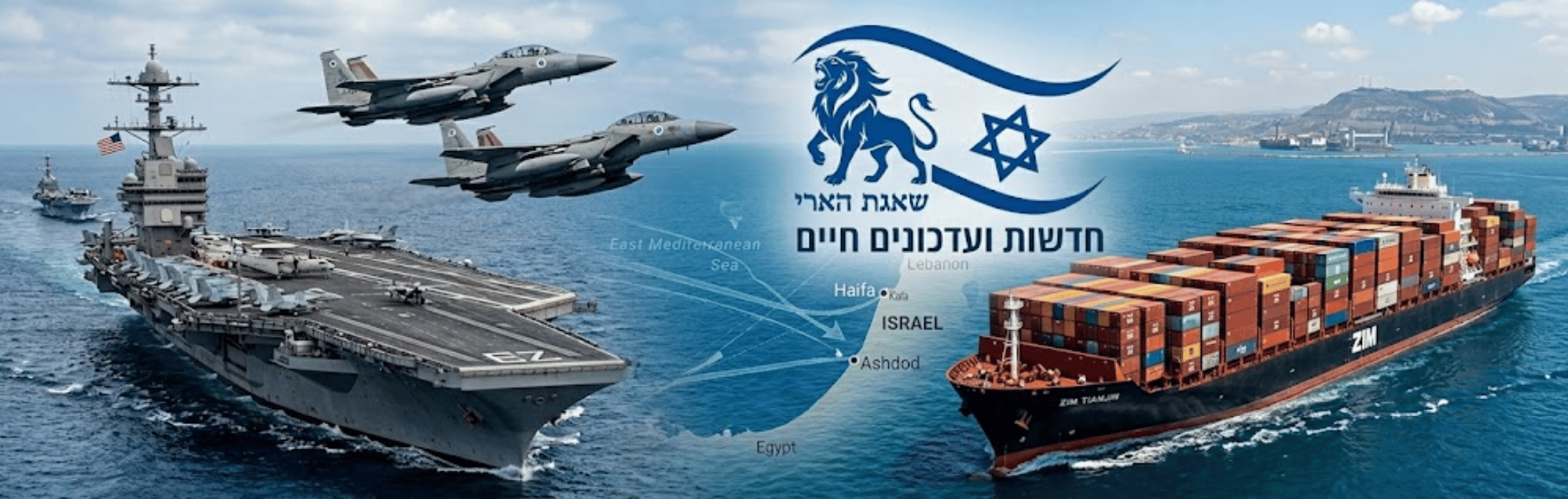
Active shipping lines include sea routes from Dubai to the ports of Haifa and Ashdod, with major international carriers involved. Yet, these routes are not continuous — they require manual coordination, transshipment, and documentation handovers. Shipping via Israel to Europe offers a strategic shortcut, but requires regulatory and technological integration.
Bahrain as an Emerging Logistics Hub
Geographically, Bahrain is positioned at the bottleneck of the Persian Gulf. It offers:
Proximity to Dubai, Saudi Arabia, and Qatar
Road access to the Arabian Peninsula via the King Fahd Causeway
A modern port with container handling capacity and access to Europe
Unlike the UAE, shipping to Bahrain from Israel remains rare due to diplomatic sensitivities and lack of operational coordination. Still, Bahrain holds potential to serve as a logistics hub for regional and intercontinental routes.
Israel – Not Just a Stop, But a Strategic Bridge
Israel offers major logistics advantages:
Only 2–3 days sailing distance from the Gulf
Intermodal access to Europe via Mediterranean shipping routes
Advanced logistics consolidation services that reduce costs and delays
However, barriers persist:
Regulatory discrepancies between countries
Duplicate customs clearance processes
Lack of regional data-sharing platforms for tracking and documentation
Cross-Middle East Shipping – A Real Case by UnitedXP
In April 2024, UnitedXP managed a shipment of high-end electronics from Dubai to Tel Aviv and onward to Europe. The process included:
Initial consolidation in Dubai
Maritime shipping to Haifa Port
Full customs brokerage for Middle Eastern imports
Transfer to a European port via a Mediterranean route – completed in just 11 days
The client achieved an 18% cost reduction compared to a traditional route via Western Europe. Key to success: accurate documentation, cross-border coordination, and reliable handling.
Future Model for Gulf–Europe Continuous Shipping via Israel
| Shipping Route | Avg. Transit Time | Key Benefit | Main Obstacle |
|---|---|---|---|
| Dubai → Israel → Italy | 7–10 days | Time savings | Double customs documentation |
| Bahrain → Israel | 5–7 days | Modern port infrastructure | Lack of fixed shipping schedules |
| Dubai → Saudi → Jordan → Israel | 6–8 days | Efficient land transit | Political/security complications |
What Importers and Exporters Need to Know
Secure a valid certificate of origin (e.g., EUR.1 or FTA documentation)
Prepare for customs clearance in multiple jurisdictions
Ensure availability of short-term storage at transit ports
Use compatible tracking systems (IoT/EDI/API based)
Practical Recommendations for Israeli Businesses
Work with a freight partner with real experience in Gulf–Israel–Europe shipping
Use consolidation contracts to optimize partial loads
Implement real-time tracking technologies
Ensure all compliance documents are pre-approved to avoid bottlenecks
Professional Summary
The real question is not whether Gulf–Israel–Europe shipping is possible — but how soon it becomes a standard practice. Israel holds a unique geographic and strategic position, potentially serving as a logistics bridge between Asia and Europe. Yet, full integration is blocked by regulatory fragmentation, customs duplication, and lack of coordinated technology.
Companies like UnitedXP are already paving the way — offering full customs handling, regional coordination, and freight optimization. Early adopters of these methods may gain a decisive edge in a rapidly transforming global supply chain.