
תקציר
Which documents are required for land imports via Jordan or Eilat Port? What additional costs are typical in land crossings? What’s required in terms of cargo insurance for land crossings?
Introduction
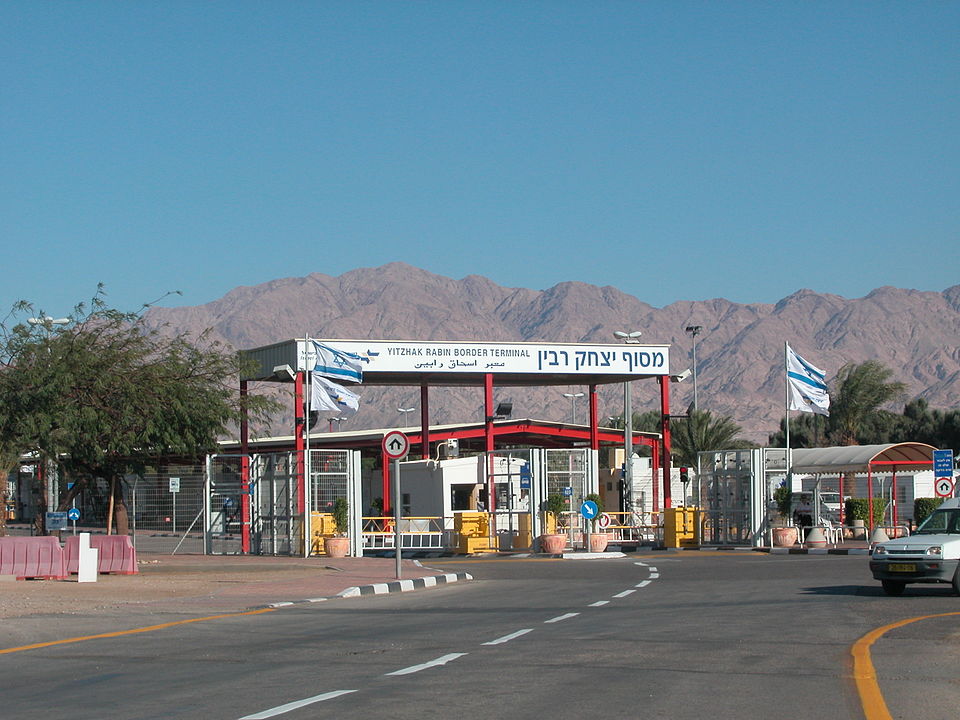
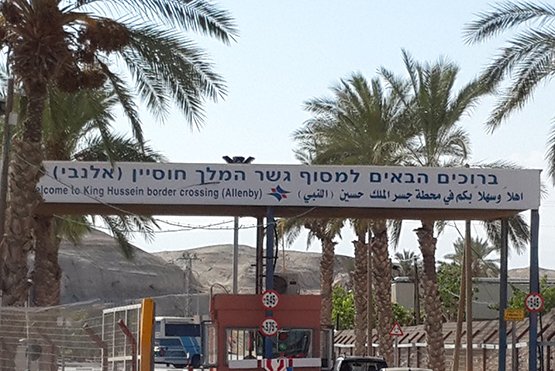
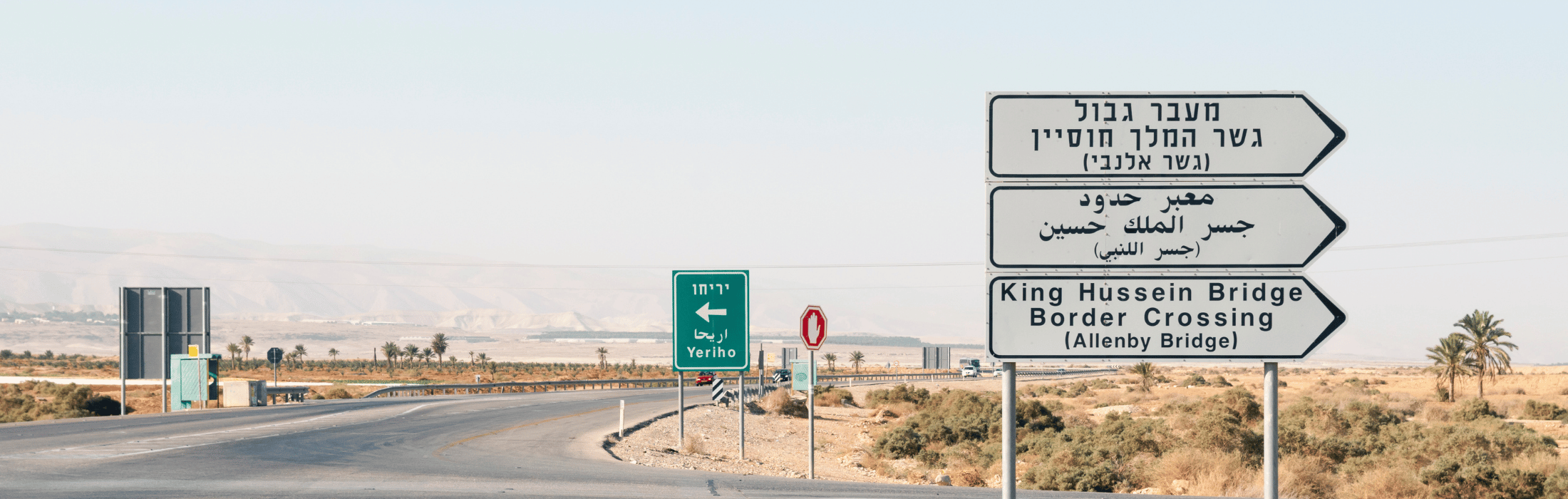
In global trade, most Israeli importers focus on sea or air freight. However, land-based imports – particularly through Jordan and the Port of Eilat – are becoming increasingly significant in an era of maritime delays, high shipping costs, and the need for logistical flexibility. Combining land transportation with customs clearance requires unique knowledge, different procedures, and a deep understanding of regulations.
This article reviews the advantages, challenges, and critical points every importer should know when choosing land routes via Jordan or Eilat.
Advantages of Land Crossings
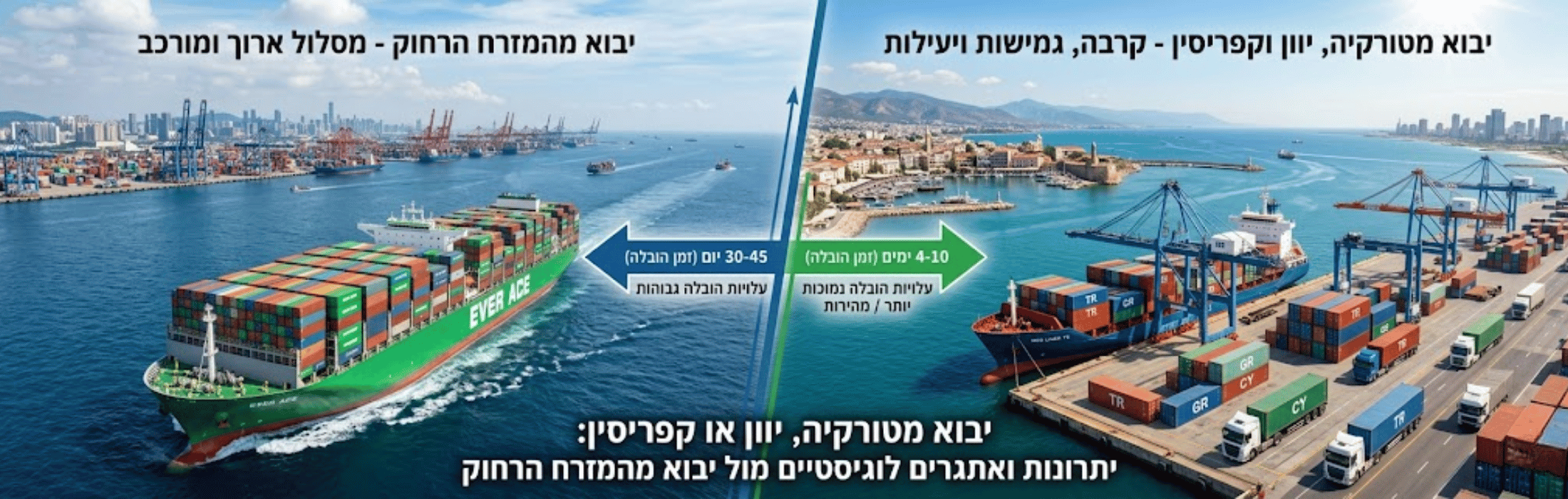
Shorter transit times – Land transport is often faster than shipments routed through distant seaports.
Cost savings – Especially for small to medium-sized shipments, trucking may be more economical.
Flexibility – Provides direct access to regional markets (Jordan, Saudi Arabia, Gulf states).
Reduced port congestion – Eilat Port is smaller and often offers quicker clearance.
Challenges and Difficulties
Different border procedures – Land crossings require coordination between Israeli and Jordanian authorities, sometimes involving duplicate processes.
Limited infrastructure – Unlike Haifa or Ashdod, Eilat’s capacity for large shipments is restricted.
Security regulations – Security checks at land crossings are stricter and may cause delays.
Additional fees and levies – Land crossings can involve higher operating costs (border fees, crossing charges).
The Role of a Customs Broker in Land Crossings
Coordination between authorities – A skilled broker manages communication with both Israeli Customs and Jordanian agents.
Accurate classification – Vital at land borders, where mistakes can halt a convoy or delay clearance.
Advance preparation of documents – Land bills of lading, invoices, and required permits often need to be prepared twice.
Cost consulting – Brokers calculate the total cost, including duties, levies, and border fees, so importers know the real bottom line.
Shortening clearance time – With local experience and relationships with Customs officials, brokers help avoid unnecessary delays.
Table: Sea Imports vs. Land Imports
| Criterion | Sea Imports (Haifa/Ashdod) | Land Imports (Jordan/Eilat) |
|---|---|---|
| Transit time | Usually longer | Generally shorter |
| Costs | Lower for very large volumes | Competitive for mid-size loads |
| Port congestion | High | Lower |
| Security regulations | Standard | Stricter |
| Infrastructure | Extensive | Limited |
| Flexibility advantage | Low | High (regional connections) |
Tips for Importers Using Land Crossings
Verify all required approvals in advance for both sides of the border.
Plan the logistics chain (truck → warehouse → clearance) carefully.
Choose a customs broker with proven land crossing experience.
Factor in additional crossing and inspection fees.
Ensure proper insurance covering border inspections and inland storage.
Professional Conclusion
Land-based routes through Jordan and Eilat offer an important alternative for Israeli importers, especially amid maritime supply chain disruptions. Yet, these routes present unique challenges requiring knowledge, experience, and careful coordination. A professional customs broker is critical to ensuring smooth clearance, preventing costly mistakes, and minimizing delays.
For importers seeking flexibility and regional market access, combining land transportation with customs brokerage is a smart strategic move.