


תקציר
The integration of advanced technologies, such as automation, artificial intelligence (AI), and sophisticated information systems, allows customs brokers and companies engaged in international trade to streamline processes, reduce the risk of errors, and enhance the accuracy and efficiency of customs clearance.In this article, we will explore how automation can improve the customs brokerage process, which technologies underpin these changes, and what key benefits automation can bring to the field. The customs brokerage process involves collaboration among multiple stakeholders, including customs agencies, carriers, importers, and customs…
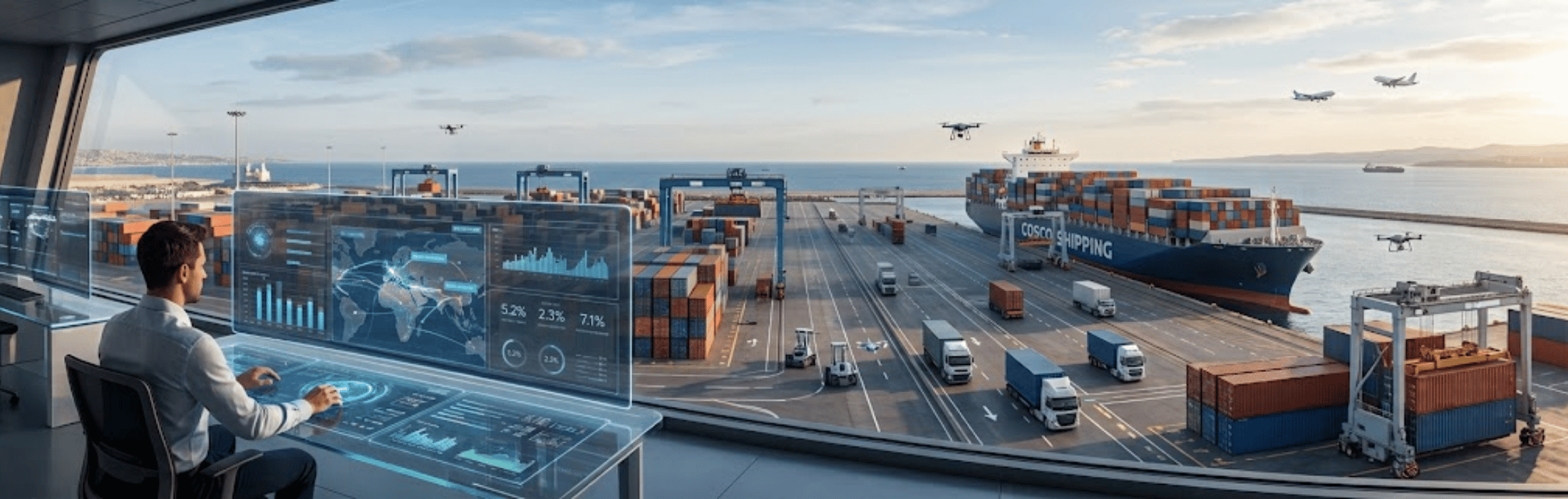
Automation is one of the driving forces behind the rapid changes in the modern job market, and it is also making significant inroads in the field of customs brokerage. The customs brokerage process, which was once complex and heavily reliant on manual tasks, is gradually becoming more automated. The integration of advanced technologies, such as automation, artificial intelligence (AI), and sophisticated information systems, allows customs brokers and companies engaged in international trade to streamline processes, reduce the risk of errors, and enhance the accuracy and efficiency of customs clearance.
In this article, we will explore how automation can improve the customs brokerage process, which technologies underpin these changes, and what key benefits automation can bring to the field.
1. Improving Efficiency and Real-Time Processing
One of the main advantages of automation in the customs brokerage process is the ability to carry out tasks more quickly and efficiently. Processes that previously took hours or days can now be completed in just minutes. Automated systems can process large volumes of information at high speed, perform checks and validations automatically, and transfer data between systems seamlessly.
For example, the process of verifying the documents required for customs clearance can be automated, so that all necessary documents are gathered and transmitted to the customs system electronically, without the need for manual intervention. This process saves time and reduces the risk of human errors.
2. Reducing Error Risk and Enhancing Accuracy
Manual processes in customs brokerage are prone to human error, such as data entry mistakes, misinterpretation of local regulations, or errors in document processing. Automating these processes can help reduce the risk of errors and improve the overall accuracy of the process.
Automated systems can conduct comprehensive checks on incoming data, identify potential issues, and alert users to discrepancies before they cause delays in the customs clearance process. This ensures that the clearance process is more accurate, faster, and prevents costly mistakes due to human error.
3. Optimizing Workflow and Cost Savings
Automation enables the optimization of workflows in customs brokerage, leading to operational cost savings. By automating tasks, businesses can plan and execute processes more intelligently, reduce the amount of manual work required, and optimize the use of human resources.
For example, the process of risk assessment for incoming goods can be based on automated systems that analyze historical data and conduct real-time risk assessments. This allows the customs broker to focus on more complex cases while the automated system handles routine tasks automatically.
4. Enhancing Collaboration Among Various Stakeholders
The customs brokerage process involves collaboration among multiple stakeholders, including customs agencies, carriers, importers, and customs brokers. Automation improves collaboration among all these stakeholders by creating automated interfaces for the rapid and accurate exchange of information.
Automated systems can serve as a central interface where all involved parties can access relevant information, stay updated on the process status, and communicate more effectively. This reduces the need for manual communication and ensures that everyone is working in coordination and efficiently.
5. Ensuring Compliance with Regulations and Better Control
Automated systems allow for more accurate and efficient monitoring of compliance with regulatory requirements. A computerized system can automatically check whether all submitted documents and data comply with local and international laws, and report any possible deviations.
Additionally, automation enables better management of control systems and risk management. Instead of relying on manual control, automated systems perform continuous and in-depth checks at every stage of the process, providing real-time reports on any issues that arise. This allows for quick corrective actions and prevents delays in goods clearance.
6. Data Management and Big Data
In the digital age, data management is a central challenge. The customs brokerage process involves processing large volumes of data from various sources, including documents, regulations, goods data, and more. Automated systems based on big data enable smarter data management, advanced analytics, and the identification of important trends and patterns.
For example, an automated system can analyze historical data on customs clearances and identify trends that can help customs brokers and companies plan their processes more efficiently. These systems can also be used to identify opportunities for process improvement and cost reduction.
7. Improving Customer Experience
Ultimately, any improvement in the customs brokerage process also enhances the customer experience. When processes are carried out more quickly, accurately, and automatically, customers benefit from better service, faster clearance of goods, and fewer issues and delays.
Using automation allows customs brokers and importing companies to provide their clients with more reliable and faster service, which increases customer satisfaction and strengthens business relationships.
Conclusion
Automation is fundamentally transforming the customs brokerage process, offering significant benefits for both customs brokers and their clients. By streamlining processes, reducing the risk of errors, and saving time and costs, automation can enhance the efficiency and performance of the entire customs brokerage system.
As technology continues to advance, we can expect to see even more innovations in this field that will further improve the customs brokerage process, making it more automated and precise. Companies that embrace these changes will be able to lead the market, provide better service to their customers, and maintain a competitive edge in today’s globalized world.